

Last updated: 3 August 2026
Most lingerie does not wear out so much as get washed out. A bra that fit perfectly in March and feels loose by August has usually not changed size, and neither have you. The elastic in the band has been through forty hot cycles and a tumble dryer, and elastic does not recover from that.
Caring for lace, silk and mesh takes about four minutes of real effort. This is what we tell our own clients about the pieces we make for them.
Key takeaways
- Cool water, gentle detergent, no wringing, no dryer. Everything else is detail.
- Hand washing takes four minutes: ten minutes of soaking, most of which is unattended.
- A mesh bag and a delicates cycle at 30°C is an acceptable compromise for everyday pieces, but not for silk or heavily beaded lace.
- Fabric softener and biological detergent both damage the fibres lingerie is made from. Skip both.
- Drying flat, away from radiators and direct sun, protects the elastic more than any washing choice you make.

How should you wash lingerie?
By hand, in cool water, with a small amount of pH-neutral detergent, and dried flat. That single sentence covers most of what lingerie needs.
Three things damage a bra or a silk slip: heat, agitation, and chemistry. Heat relaxes the elastane in a band or strap so it never fully springs back. Agitation, meaning the churn of a washing machine drum, abrades lace and pulls threads out of mesh. Chemistry covers alkaline detergent, enzymes that digest protein fibres like silk, and softeners that coat the fabric. Hand washing in cool water removes all three at once.
Hand washing, step by step
Fill a basin with cool water, add a teaspoon of gentle detergent, soak for ten minutes, press the water through the fabric, rinse until the water runs clear, and blot dry in a towel. That is the whole method.
- Fill a clean basin with cool water, roughly 20 to 30°C. Hot water is the single most common mistake.
- Add a small amount of detergent and swirl it through before the garment goes in. Neat detergent dropped onto lace can leave a mark.
- Lay the piece in flat and let it sink. Do not scrunch it into a ball.
- Leave it ten minutes. Soaking does most of the cleaning and you do not need to stand over it.
- Press the water gently through the fabric with a flat palm, paying attention to the underband and the gusset, where body oils actually collect.
- Drain, refill with clean cool water, and press again. Repeat until no suds appear.
- Lift the piece out supporting its whole weight, lay it on a dry towel, roll the towel up and press. Never twist.
The Canadian Conservation Institute's textile lab publishes the wet-cleaning procedure museums use on cotton and linen: soak flat at 25 to 35°C for ten minutes, 5 mL of anionic detergent per litre, then rinse four to six times. Its handling rule is blunt. Textiles are weaker when wet, so never rub or squeeze.
The same document advises against wet-cleaning historic silk, wool, knits and anything beaded at all. Museum standards are stricter than domestic ones, but the direction of the advice is identical: less heat, less water, less handling.
Can you put lingerie in the washing machine?
Yes, for everyday cotton and microfibre pieces, in a zipped mesh bag, on a delicates cycle at 30°C with the spin reduced or switched off. No, for silk, for anything beaded or embroidered, and for structured bras you care about keeping.
The mesh bag matters more than people expect. It stops hooks catching on lace, keeps straps from wrapping around other garments, and holds a moulded cup in shape against the drum. Fasten every hook and eye before the bag goes in, and drop the spin to 400 rpm or turn it off, because the spin cycle is where cups get creased.
Our everyday panties handle a machine cycle without complaint. The structured pieces in the bras collection are the ones worth washing by hand, since a moulded or wired cup carries its shape in materials that a drum will slowly flatten.

Which detergent to use, and what to keep out of the drawer
Use a pH-neutral liquid made for delicates, wool or silk. Avoid biological detergent, fabric softener, chlorine bleach and anything with optical brighteners.
Biological detergents contain protease enzymes that break down protein. That is why they lift blood and food stains so well, and also why they attack silk, which is a protein fibre. Detergents formulated for wool and silk leave those enzymes out for that reason.
Fabric softener causes a different problem. It works by depositing a thin waxy film on fibres, which on elastane builds up over repeated washes and stiffens the stretch you are trying to protect. That softness is a coating sitting on top of the fibre.
Baby shampoo is the classic emergency substitute and it works, though it rinses out more slowly. Ordinary non-biological liquid detergent is fine for cotton and mesh pieces.
Lace, silk and mesh each want something slightly different
Lace needs protection from snagging, silk needs protection from enzymes and heat, mesh needs protection from stretching while wet. The water and the detergent stay the same; the handling changes.
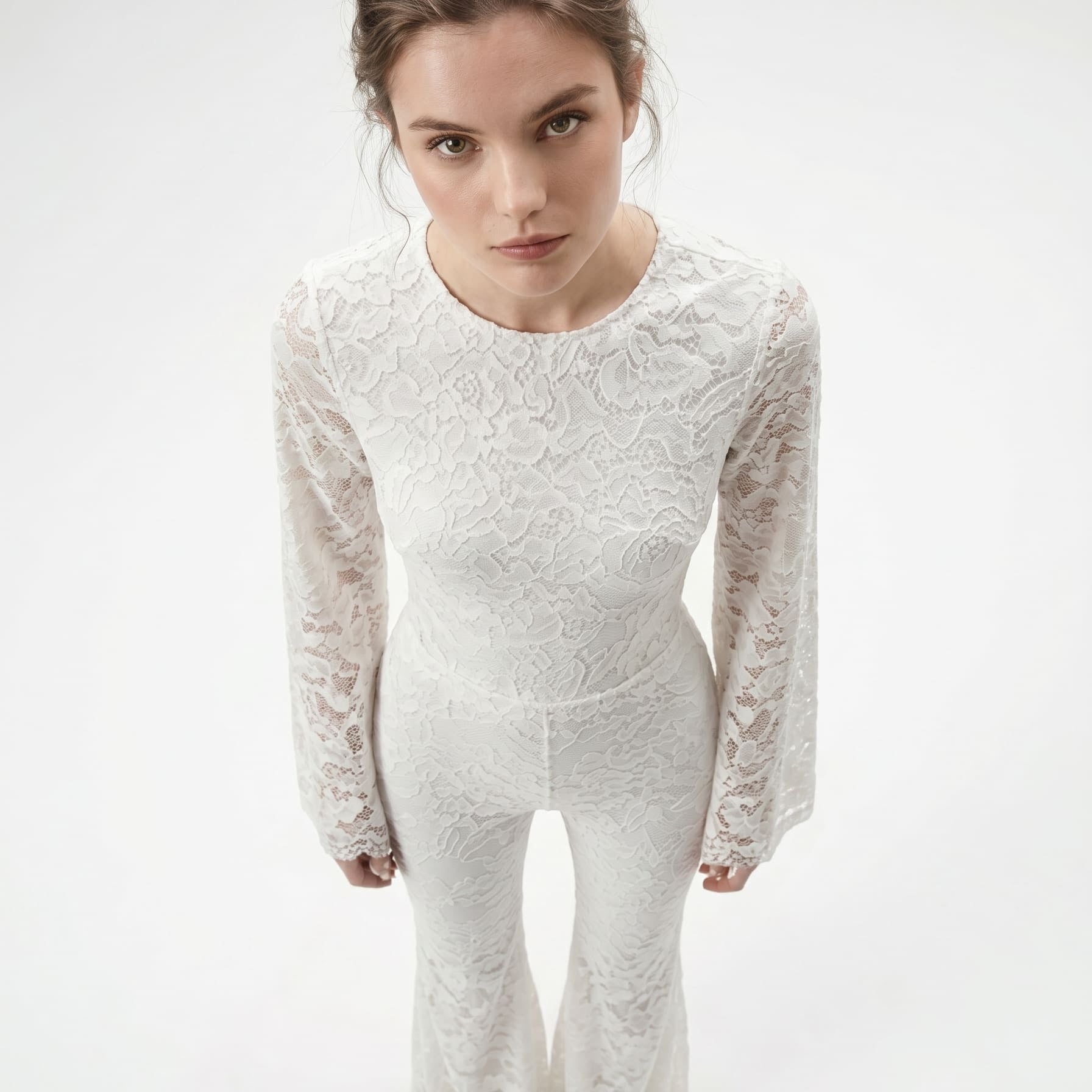
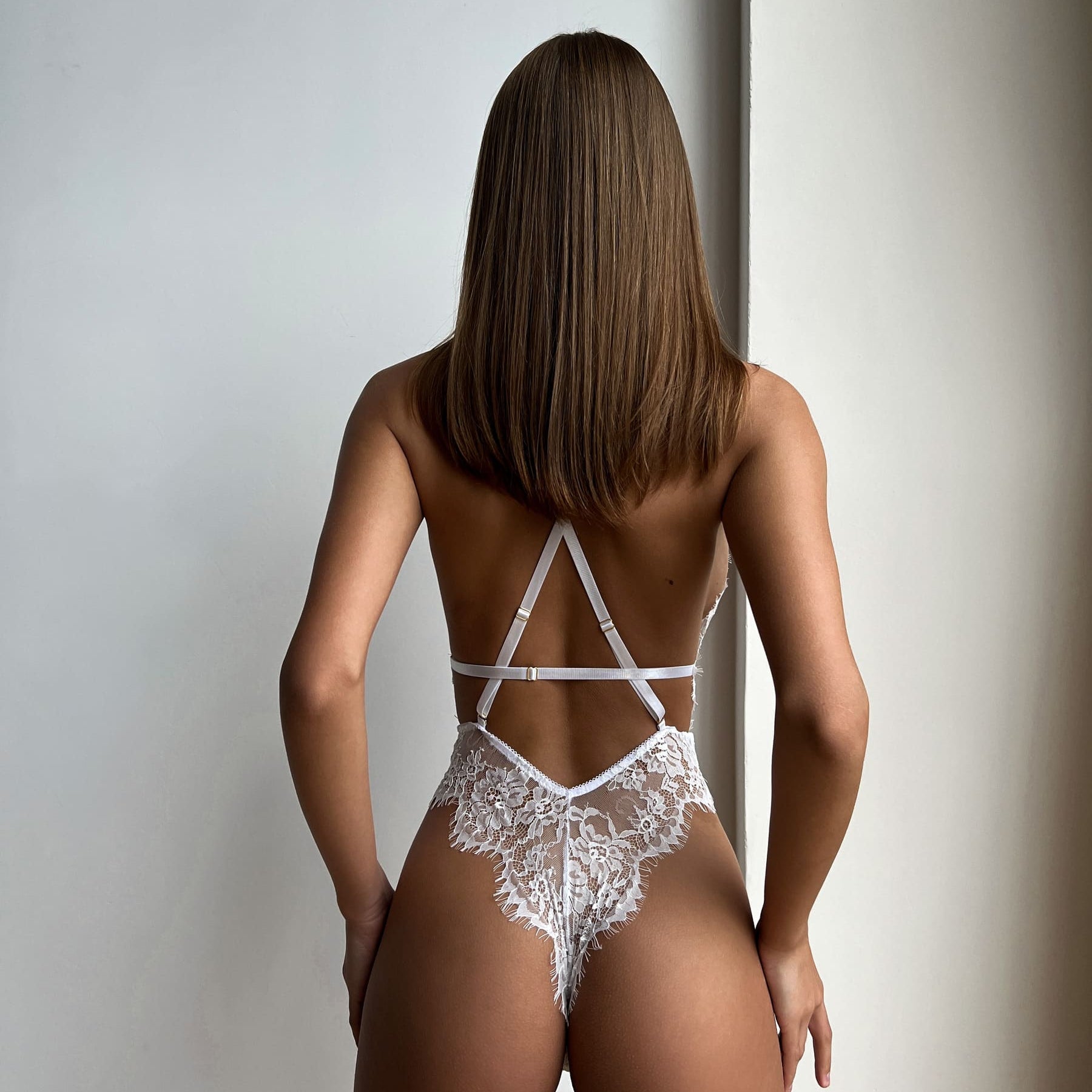
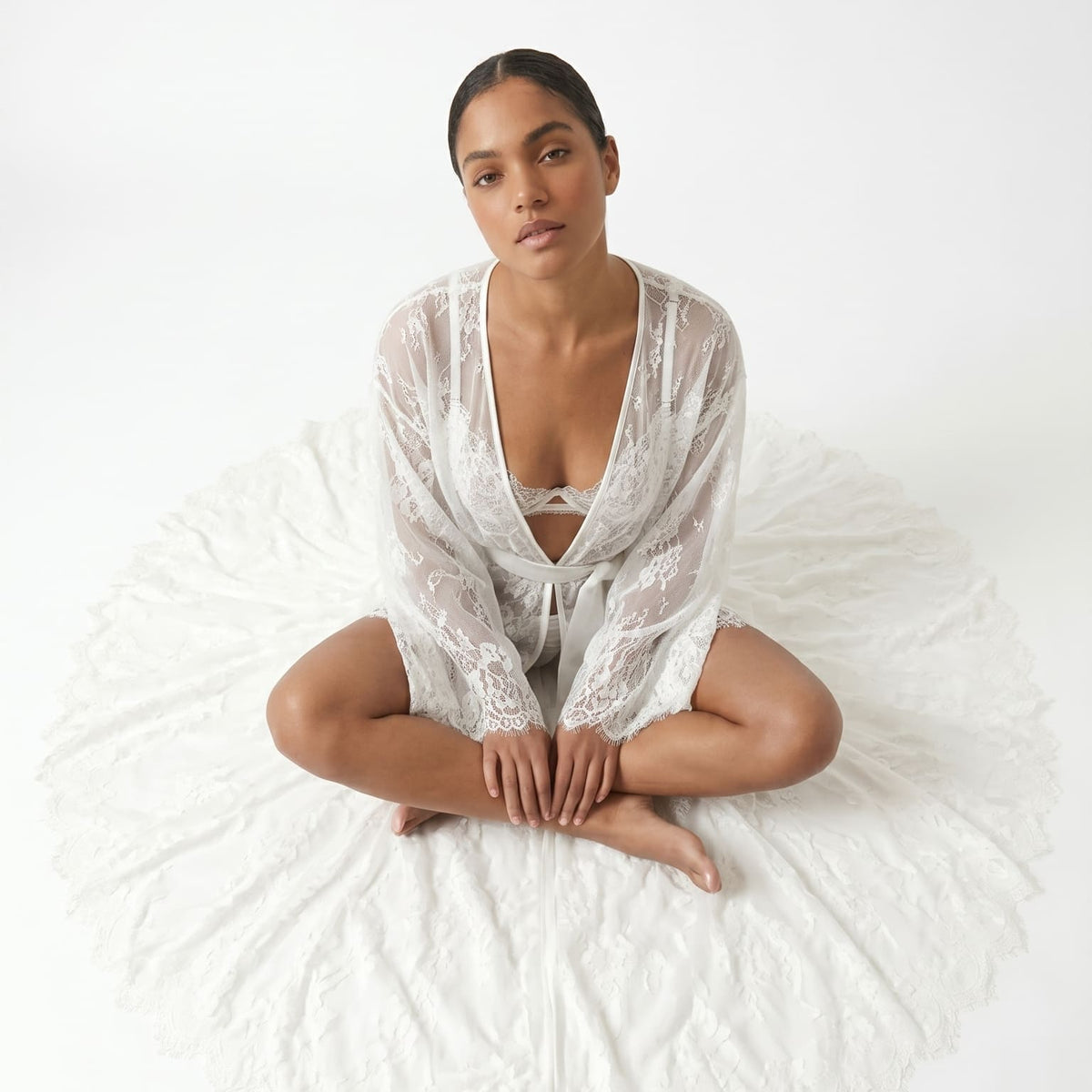
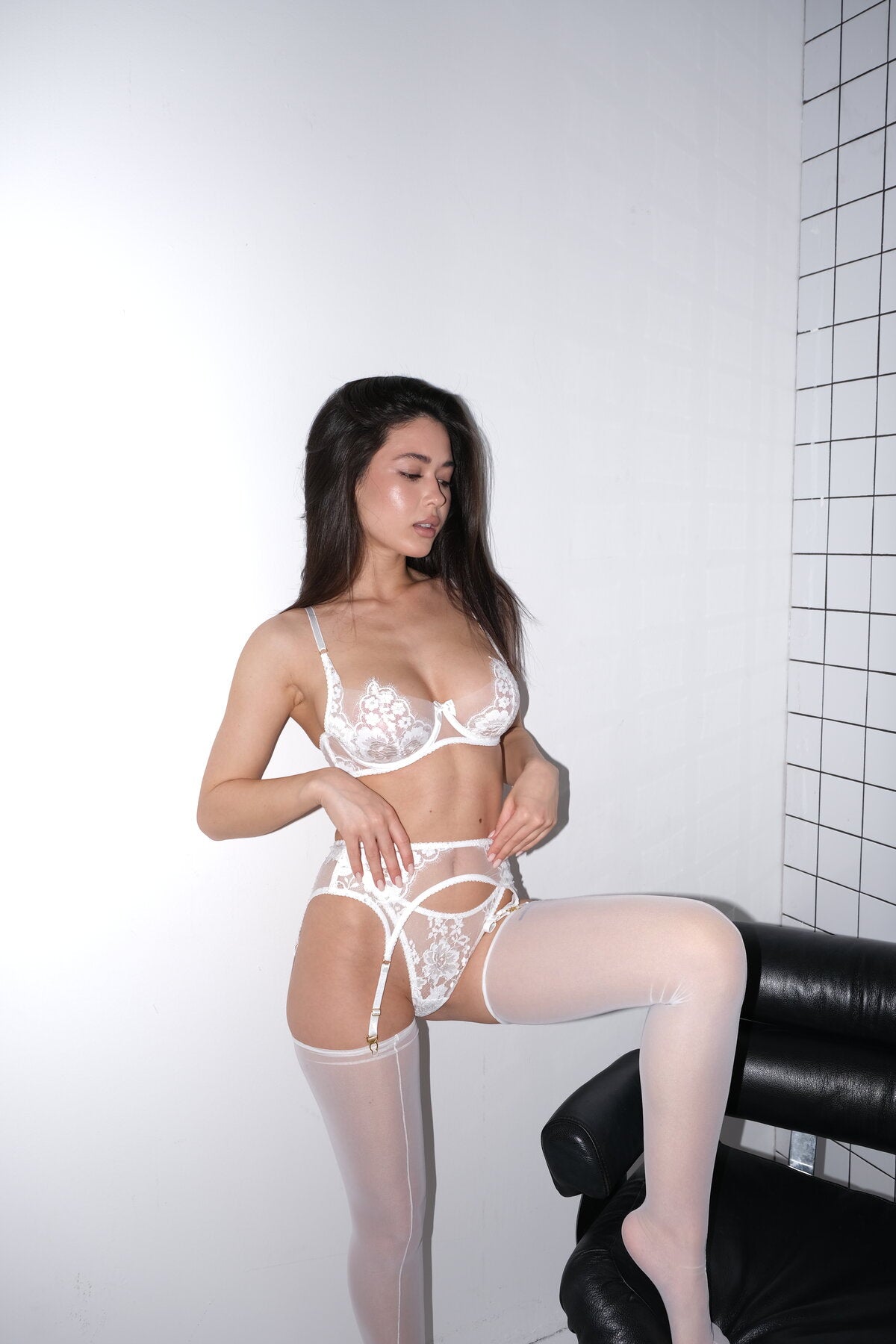
Lace looks the most fragile and is the most forgiving in practice, as long as nothing catches it. Wash it away from hooks, zips and jewellery, and dry it flat so the pattern does not stretch out of shape. Pieces like the Black Flowers line, where the floral lace carries the design, are worth their own basin.
Silk changes state when it gets wet. It loses tensile strength temporarily, feels alarmingly limp in the basin, and recovers as it dries. Keep the water genuinely cool, keep the soak short, and never leave silk sitting in water for an hour. Our Silk Box pieces and the sleep-leaning styles in Iness de Nuit get five minutes of soaking rather than ten.
Mesh and tulle hold water and get heavy, and a heavy wet panel will stretch under its own weight if you hang it. Sheer constructions such as Pure Obsession should go straight from the towel to a flat surface, never onto a hanger while damp.
Raised embroidery flattens if it dries under pressure, so lay pieces like the Amalia Empress designs face up to air rather than sandwiching them in a folded towel.
How often does a bra actually need washing?
Every two to three wears in normal conditions, and after every wear in hot weather or after exercise. Washing a bra after every single wear is not necessary and shortens its life.
The reasoning is about recovery rather than hygiene. Elastic needs time out of tension to return to its original length, which is why rotating between three or four bras makes each one last considerably longer than owning two. Give a bra a day off after you wear it.
Panties and stockings are the exception and should be washed after every wear. Fine hosiery benefits from its own mesh bag, since a single caught nail can end its life in one movement.
Drying is where most of the damage happens
Dry flat, out of direct sunlight, away from radiators and never in a tumble dryer. This step undoes more good washing than anything else.
A tumble dryer combines every damaging factor at once: heat, tumbling and long exposure. Elastane loses its recovery well below the temperature of a normal dryer cycle, and once those polymer chains break, nothing restores the stretch. Sun and radiator heat do the same more slowly, and sunlight also fades dye.
Lay pieces on a dry towel on a flat surface, reshape the cups with your fingers, and leave them somewhere with moving air. A bra dries overnight this way. If you must hang something, hang it by the centre gore between the cups or by the side seam, never by a single strap.
[
Storage, so the washing is not wasted
Stack moulded cups inside one another facing the same direction, lay soft styles flat, and never fold a cup inside out to save space.
Folding one cup into the other is the standard drawer-space trick and the fastest way to crease foam permanently. Once a moulded cup has a fold line it holds it. Soft-cup styles and the pieces in our Loungewear & Nightwear collection can simply be folded flat, since there is no structure to protect. Keep silk out of sealed plastic boxes, which trap moisture against natural fibres; a cotton pouch does the job.
Stains, odour and washing while travelling
Treat stains cold and quickly, deal with odour by soaking rather than scrubbing, and use hand soap and a sink when you have nothing else.
Cold water on a fresh stain, blotted from the back of the fabric outward, removes more than hot water and rubbing ever will, because heat sets protein stains permanently. For deodorant marks, a longer cool soak works better than targeted scrubbing, which abrades the fabric at that spot.
Travelling, the sink method is fine: cool water, whatever gentle soap is available, ten minutes, rinse, roll in a towel, lay flat overnight. Our guide to what to actually pack covers how many pieces to bring.
Frequently asked questions
Can you machine wash bras?
Everyday bras, yes, in a zipped mesh bag on a delicates cycle at 30°C with hooks fastened and the spin reduced. Silk, beaded and heavily structured bras should be washed by hand, since the drum flattens moulded cups over time.
What water temperature should lingerie be washed at?
Cool, between 20 and 30°C. Anything hotter relaxes the elastane in bands and straps, and that loss of recovery is permanent. Water that feels neutral on the inside of your wrist is right.
How often should you wash a bra?
Every two to three wears under normal conditions, and after each wear in hot weather or after exercise. Rotating between several bras and giving each a day off extends the life of the elastic more than washing frequency alone.
Can you use fabric softener on lace or silk?
No. Softener deposits a waxy film that builds up on elastane and stiffens it over repeated washes. A pH-neutral delicates detergent with no softener and no enzymes is the right choice.
How do you dry lingerie without a tumble dryer?
Roll the piece in a dry towel and press out the water, then lay it flat on a second dry towel away from sunlight and radiators, reshaping cups by hand. Most pieces dry overnight.
Related reading
If a piece has stopped feeling right and you are not sure whether it is the wash or the fit, start with our bra fitting guide, or check your measurements against our guide to measuring bra size at home. You can also browse the full lingerie collection.
Written by Lioness Studio. We make bespoke lingerie to individual measurements in our own atelier, which means we see the same pieces come back for alterations years later and we know which care habits show up in the fabric.