


Last updated: August 17, 2026
"Silk" gets typed into search bars more than almost any other lingerie word, and it means at least three different things depending on who is selling it. Sometimes it is genuine mulberry silk, reeled from a moth's cocoon and unable to stretch. Sometimes it is a silk-effect satin: a fabric engineered to move and catch light like silk while adding stretch and easier care. Sometimes it is just a word attached to whatever feels smooth on a rack. None of these are wrong to sell, but they are not the same product, and the difference changes how a piece fits, how it wears, and how you should wash it. This guide covers what separates real silk from its imitations, what Lioness's own Silk Box pieces are made from, and how to choose between them with clear eyes.
Key Takeaways
- Genuine silk is a protein fiber with almost no stretch. Silk-effect satin is usually a polyamide-elastane weave built to mimic silk's drape while adding give.
- Momme weight measures how dense a silk fabric is, not how it will fit. Lingerie-weight silk charmeuse usually falls between 12 and 19 momme.
- Lioness's Silk Box collection is a silk-effect satin (92% polyamide, 8% elastane), not 100% mulberry silk, chosen deliberately for stretch and easier care.
- Silk absorbs and releases more moisture against skin than most synthetics, part of why it feels different to wear as well as to look at.

What makes silk different from other lingerie fabrics
Silk is a protein fiber, reeled from a silkworm's cocoon, not extruded from a petroleum-based polymer the way polyester, nylon, and most everyday satins are. That structural difference, protein fiber against synthetic polymer, is the root of everything people notice about silk: its sheen from multiple angles (each filament has a triangular cross-section that refracts light), its particular coolness against skin, and its cost.
Under ASTM D1909, the textile industry's standard reference for commercial moisture regain, silk is rated at 11 percent, close to wool and well above cotton's 8.5 percent and polyester's 0.4 percent. In practice, that means silk absorbs and releases far more moisture against skin than most synthetic fabrics, one reason it feels different to sleep and move in as well as to touch.
Real silk vs. "silk-effect" satin: what you're buying
The fastest way to tell them apart without lab equipment is price and stretch. Fabric priced well under $20 a yard, or one that stretches noticeably when you pull it on the bias, is not 100% silk fiber, whatever the tag says. Genuine silk has almost no give; a burn test confirms the rest, since genuine silk curls away from a flame, smells faintly of burning hair, and leaves a fine ash that crushes between your fingers, while synthetics melt into a hard bead and smell like burning plastic.
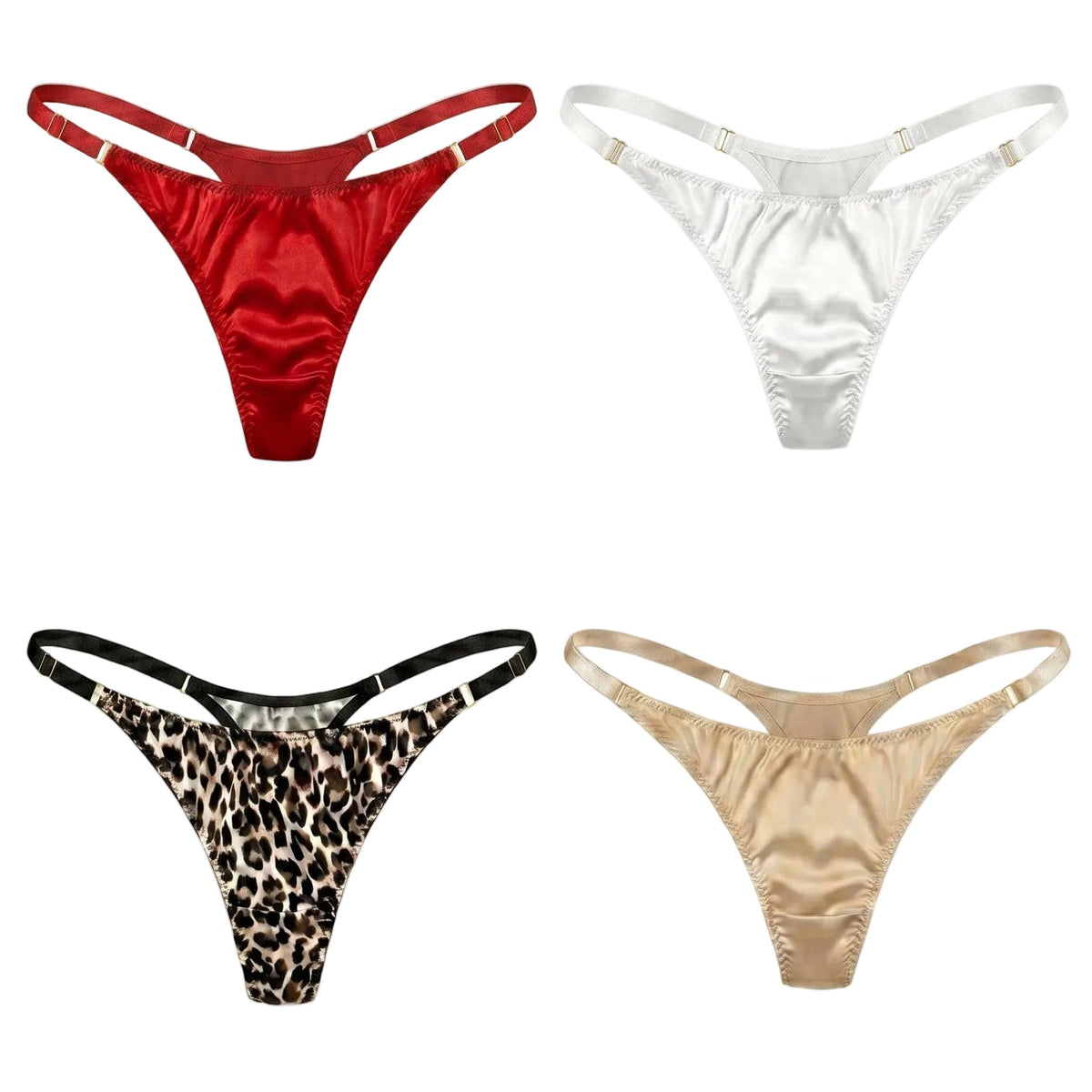
Lioness's Silk Box panties are cut from a silk-effect satin: 92% polyamide and 8% elastane, not 100% mulberry silk fiber, and we'd rather say so plainly than let the collection name do the talking. The elastane gives the fabric stretch that genuine silk lacks, useful for a snug lingerie fit, and the polyamide base holds color and resists water spotting better than genuine silk, which has no stretch at all and marks permanently if it meets the wrong splash. If you're shopping for silk lingerie anywhere, ask about fiber content directly rather than trusting the word on the tag.
Momme weight, explained so you can use it
Momme (also written "mm") measures the density of a silk weave: how much a fixed size of fabric weighs, not how soft it feels or how well it will fit. A higher momme count means a heavier, more opaque, more durable fabric, and a lower one means something closer to sheer chiffon.
For reference, silk chiffon usually runs 6 to 10 momme, lingerie-weight charmeuse sits between 12 and 19 momme, and heavier silk used for coats or structured outerwear climbs to 22 momme and beyond. Momme only applies to genuine silk fiber; polyamide-elastane blends like Silk Box are measured in grams per square meter (GSM) instead, which is one more quick way to tell what you're comparing when two listings both say "silk."

Why choose silk, or a good silk-effect satin, at all
Silk and silk-effect satin both drape instead of cling, which is the main reason people reach for either over lace or mesh. A woven satin falls along the body rather than gripping it, so it reads as quieter and less structured under clothing, and it catches light in a way that flat cotton or matte jersey never will.
There's also a comfort case that has nothing to do with looks. Because silk breathes and moves moisture away from skin more readily than most synthetics (the same moisture regain property from above), it tends to feel less clammy through a warm night than a tightly woven polyester satin. A well-made silk-effect satin, like the polyamide-elastane blend in Silk Box, borrows some of that same breathable feel while adding the stretch a genuine silk piece can't offer.
How silk lingerie should fit differently
Genuine silk barely stretches, so a silk-only garment needs to be cut closer to your exact measurements than a piece with lace or mesh, which usually has some built-in give. If you're between sizes in a genuine silk piece, size up rather than down and expect the fit to stay put, since there's no elastane to close a small gap. An elastane blend like Silk Box is more forgiving of a size guess by a centimeter or two, because the 8% stretch content does some of that work for you. Either way, start from real measurements rather than a guess; our full measuring guide covers how to take them properly before you order.
Caring for silk lingerie, the short version
Hand wash in cool water with a mild, pH-neutral detergent, never wring the fabric, and lay it flat to dry away from direct sun. That covers both genuine silk and silk-effect satin safely, though genuine silk is less forgiving of a mistake. For the full method, including how lace, silk, and mesh each behave differently in water and how often to wash lingerie, see our complete lingerie washing guide rather than us repeating it here.

Is silk, or silk-effect satin, good for sensitive skin?
Both tend to sit well on sensitive skin, though for different reasons. Genuine silk's smooth, flat fiber surface creates less friction against skin than rougher-textured fabrics, which matters for eczema-prone or reactive skin. A polyamide-elastane silk-effect satin doesn't carry that same reputation in dermatology circles, but it's still a smooth, low-friction weave, and every Lioness piece, including Silk Box, uses a 100% cotton gusset regardless of the outer fabric, which is the part that matters most for everyday comfort and hygiene.
Styling and occasions for silk pieces
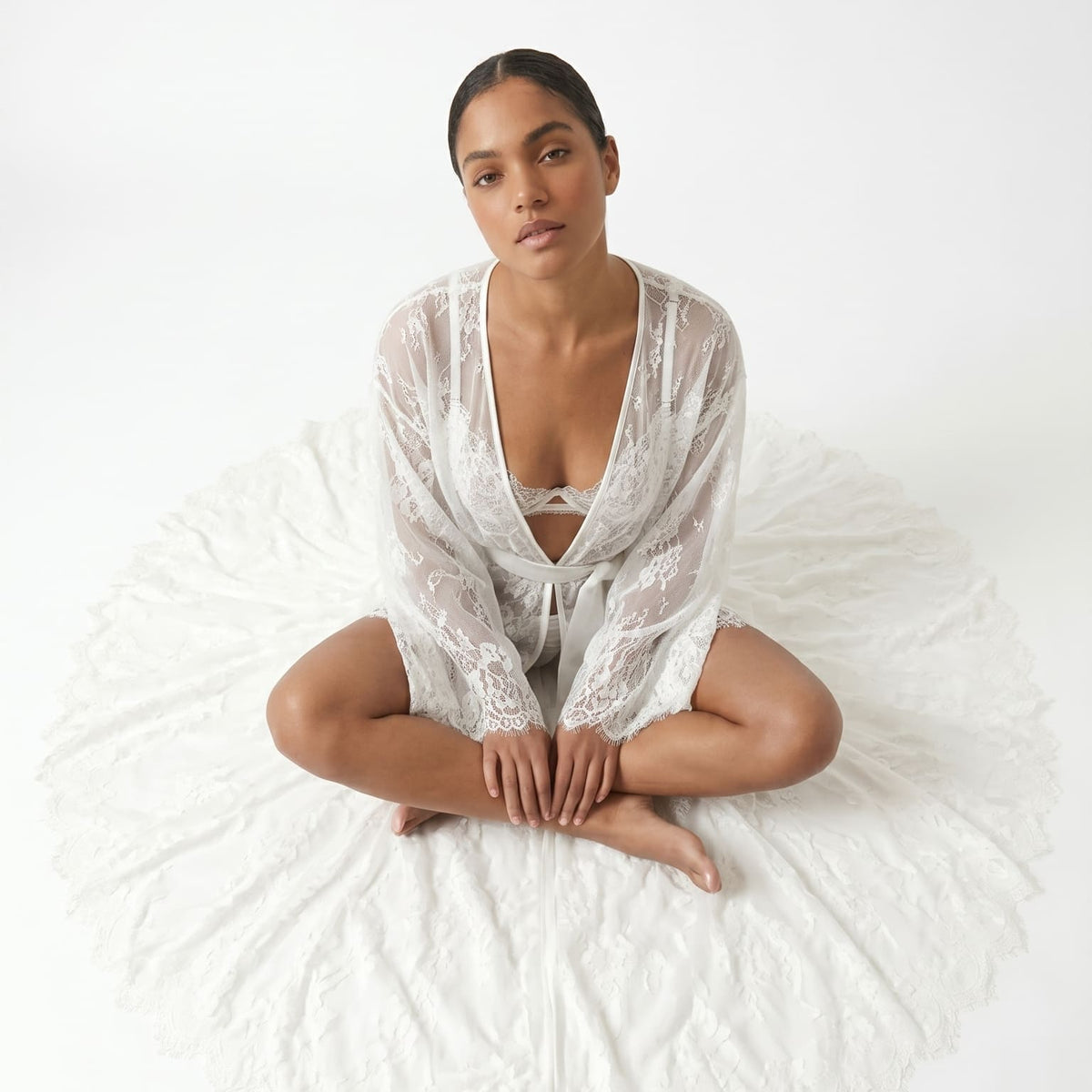
Silk-effect pieces read as quiet luxury under structured clothing, since the fabric doesn't add bulk or visible lines the way lace can. They also pair naturally with loungewear for the same reason people reach for silk on a honeymoon or a slow weekend at home: it looks considered without effort. Our Loungewear & Nightwear collection includes robes cut for that same easy, unstructured feel, and the Iness de Nuit suits work as a dressier version of the same idea when you want something with more shape for evening.
Right now, Silk Box comes as a boxed set of panties only, in two color stories: a warm Dark Mix that leans into amber and emerald tones, and a brighter mix built around red, white, and leopard print. If you're building a fuller set around it, our broader bras and panties collections have pieces in matching or complementary shades, since Silk Box itself doesn't currently include a bra or full set.

Frequently asked questions
Is silk lingerie worth the extra cost?
If you want the specific feel and drape of a real protein fiber, yes; nothing synthetic fully replicates it. If what you want is the look and some of the comfort with easier care and a snugger fit, a well-made silk-effect satin gets you most of the way there for less money and less fuss.
What's a good momme weight for lingerie?
Look for 12 to 19 momme in genuine silk. Below that, the fabric tends to be too sheer and delicate for everyday wear; above it, it starts to feel closer to outerwear weight than lingerie.
Can silk-effect satin go in the washing machine?
Hand washing is still the safer default for any silk-look piece with lace trim or hardware. If a specific garment's care label allows machine washing, use a mesh bag and a cold, gentle cycle, but check the label first rather than assuming.
Is silk or satin better for lingerie?
"Satin" describes a weave structure, not a fiber. Genuine silk can be woven as a satin, and so can polyester or the polyamide-elastane blend in Silk Box. Fiber content is what decides quality and feel, not whether a label says "satin" or "silk."
Is silk lingerie good for sensitive skin?
Generally yes. Its smooth fiber surface causes less friction than textured fabrics, which tends to make it gentler on eczema-prone skin. Every Lioness piece also uses a cotton gusset regardless of the outer fabric.
Written by Lioness Studio, the in-house team behind every piece we make and every guide we publish. We cut, fit, and finish each order by hand, and we write about fabric and fit the same way we build a garment: precisely, and without pretending it's simpler than it is.