








Last updated: 5 August 2026
On 3 August, LVMH confirmed it had sold Patou in full to Nirvana Investments, the holding company of British businessman Dilesh Mehta. The group had held a majority stake since 2018, when it set out to bring the dormant Parisian house back into ready-to-wear. Eight years later it is out, on terms that were not disclosed. The sale was reported by FashionNetwork and confirmed by WWD.
The buyer is not a stranger to the brand. Mehta's group Designer Parfums has held the Jean Patou fragrance licence since 2011, and he stayed on as a shareholder and strategic partner through the LVMH years, as The Business of Fashion reported. The house passes back to the person who owned it before LVMH arrived.
The numbers behind the eight years are public, which is unusual for a story like this.
What the relaunch actually cost
Accounts filed by Jean Patou SAS show revenue climbing steadily under LVMH: 3.95 million euros in 2021, 8.02 million in 2022, 13.02 million in 2023, then 13.76 million in 2024. Growth by any normal measure.
Over those same four years the company accumulated more than 23.9 million euros in net losses. The worst single year was 2024, at 7.18 million, which is also the year revenue flattened. Sales roughly tripled and the losses deepened along with them. All of these figures come from the filings summarised by FashionNetwork.
One caveat worth stating: some of Patou's costs may have sat inside other LVMH entities, so the filings are not a complete picture of what the project consumed. The direction of travel is clear anyway.
Why the model is expensive
Reviving a heritage couture name as a global ready-to-wear brand means paying for the whole apparatus before the revenue exists. Seasonal collections get designed, sampled and produced ahead of any order. Wholesale accounts want stock on hand and the right to send back what does not sell. Runway presence, campaigns and physical stores all get funded on the assumption that scale will eventually cover them.
Patou did the creative half of that well. Guillaume Henry, who ran the house from the relaunch until his quiet exit last February, made it a fixture on the Paris calendar and in international retail. What never followed was volume large enough to carry the fixed cost.
LVMH has been direct about where its money goes now. Group revenue rose 2% on a like-for-like basis in the first half of 2026, with the acceleration concentrated in its biggest houses, according to AFP's summary of the half-year results. In May the group agreed to sell Marc Jacobs to WHP Global and G-III for 850 million dollars after nearly thirty years of ownership. Patou is the second exit in three months.

The part that applies to us
Our situation is not comparable in scale, and pretending otherwise would be silly. Patou operated at a size where a 7 million euro annual loss is survivable for a while. We are a small atelier in Slovakia.
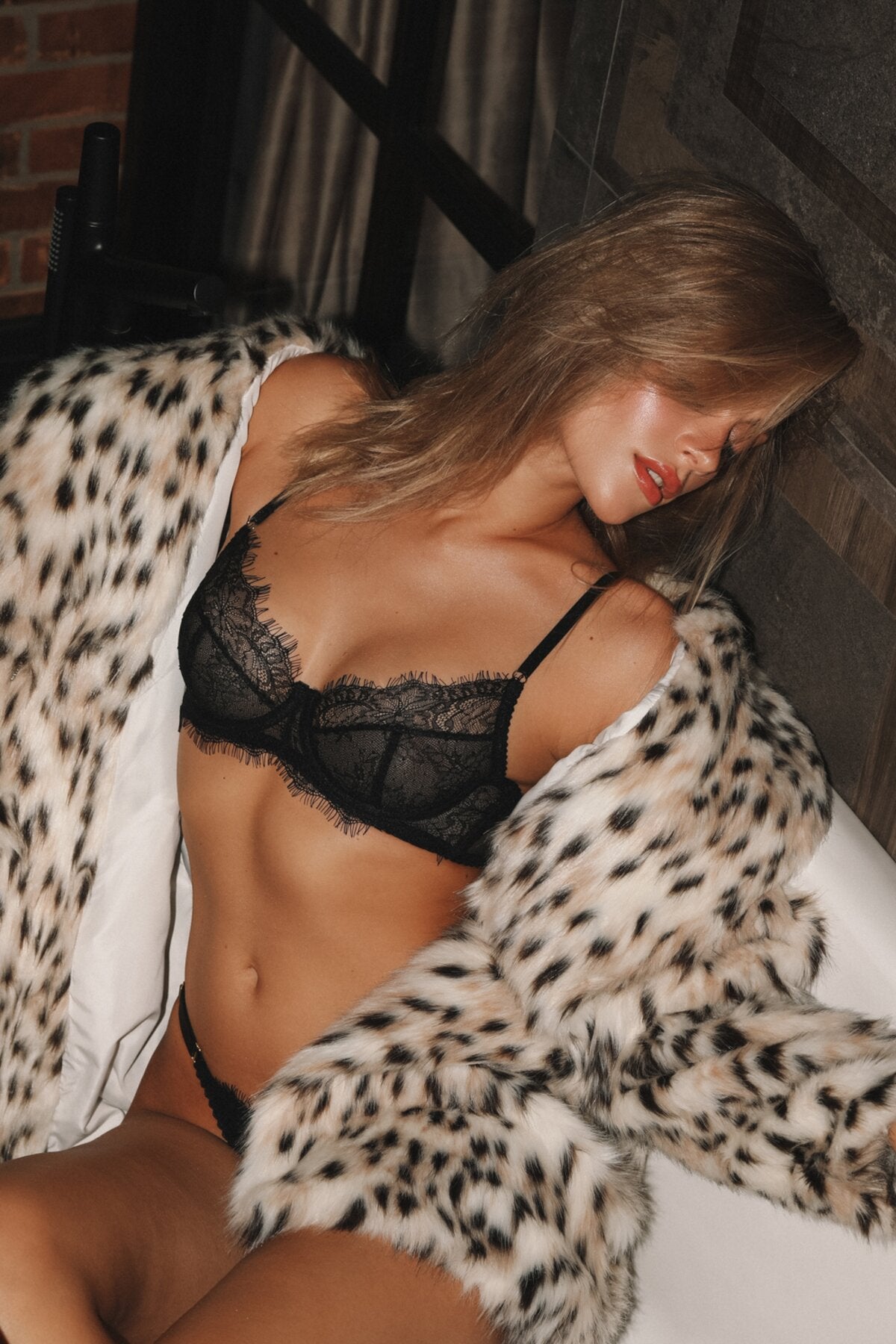
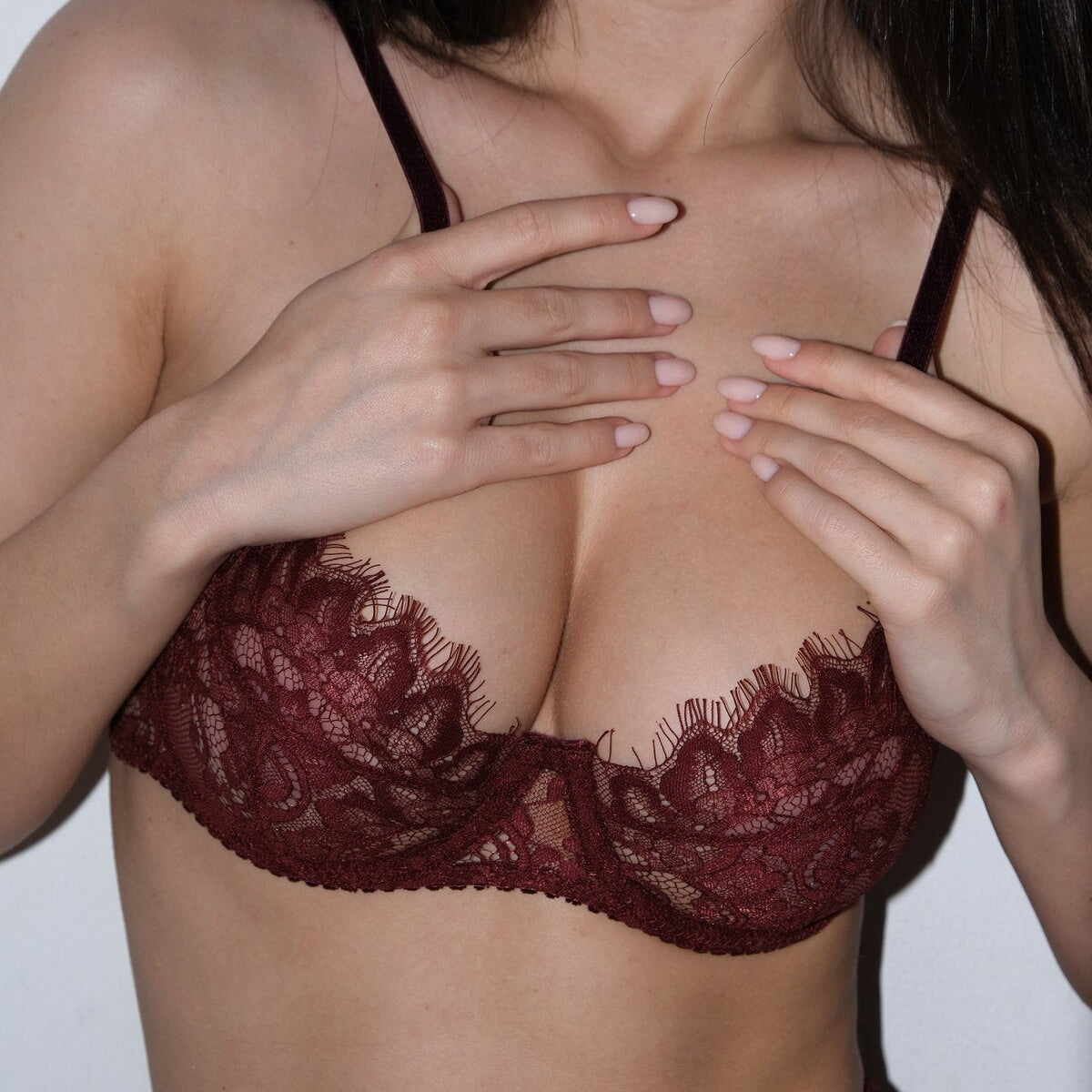
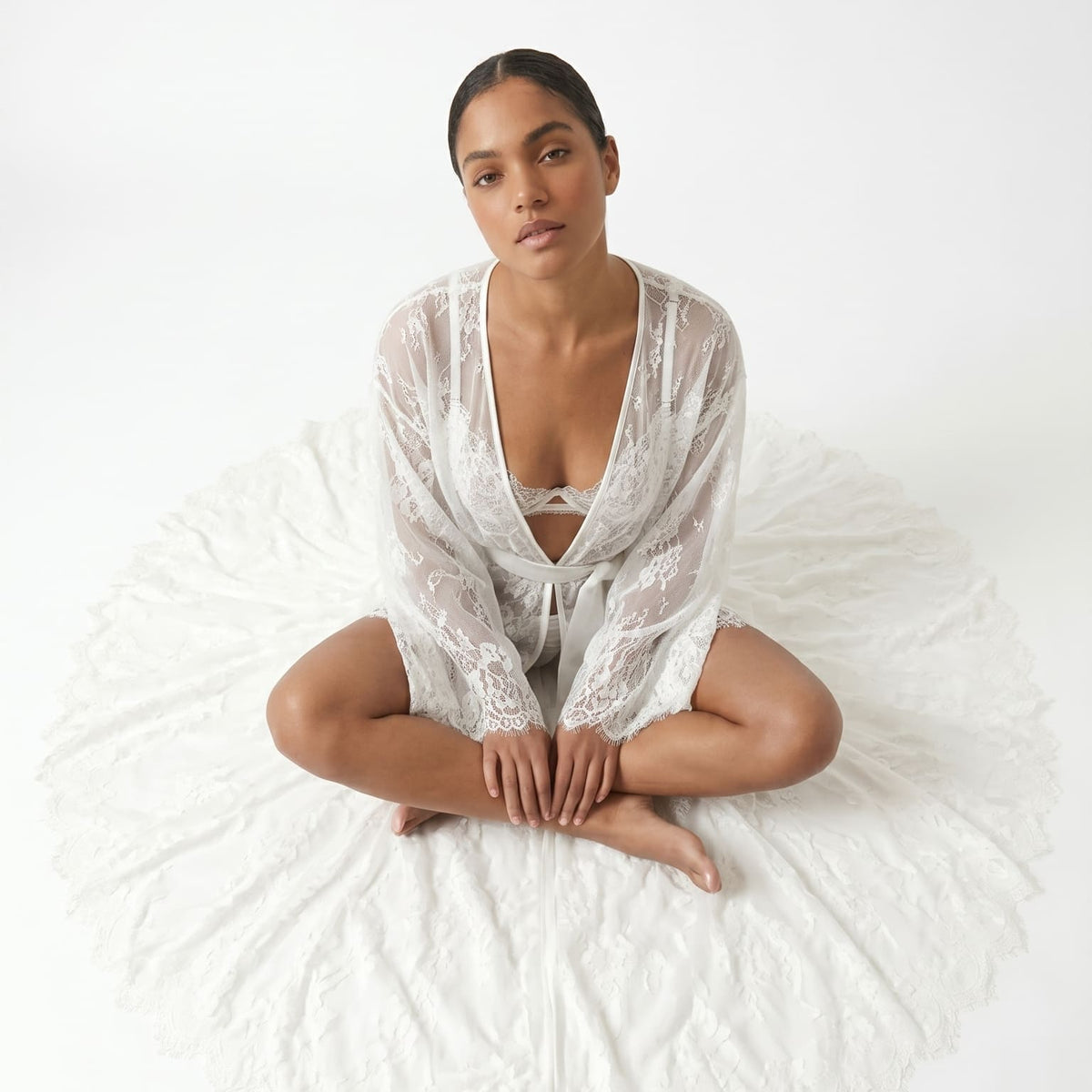
The structural point still travels. Every piece we make is cut after someone orders it, to that person's measurements. There is no season of stock produced against a forecast, no wholesale returns, no markdown cycle to clear what the forecast got wrong. The Lingerie and Lace Poetry collections exist as patterns and fabric specifications until an order arrives. Growth is slower this way. Our costs also move with demand instead of ahead of it.
Made-to-order has real drawbacks, and we would rather name them. Lead times are longer than any warehouse can offer. Exchanges are harder when a garment was built to one set of measurements. Customers used to next-day delivery find the wait strange at first.

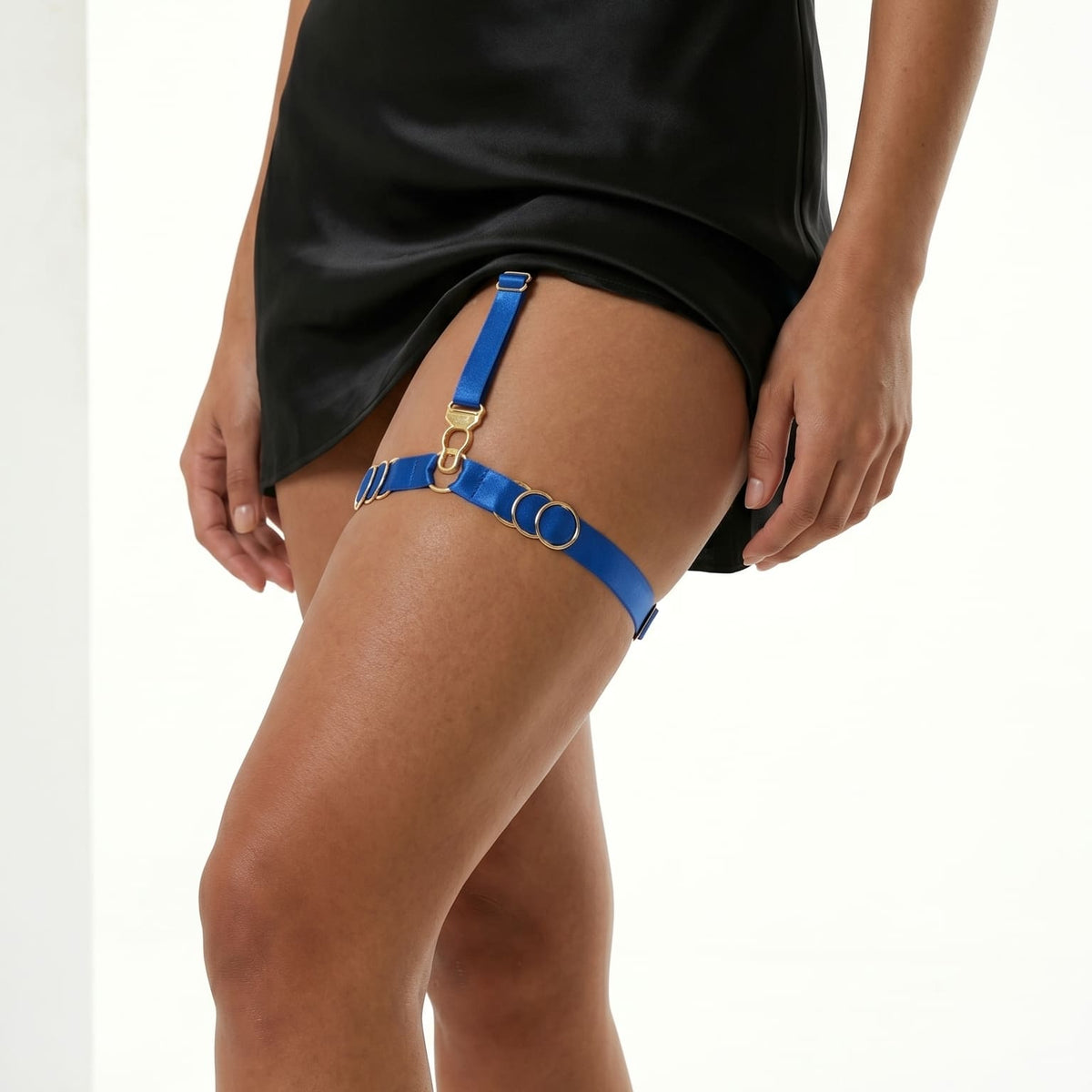
What the trade press calls craftsmanship in a house like Patou is, at working level, mostly this: someone cuts a specific garment for a specific body, and the fit comes out of the pattern instead of a size chart approximating it. Naomi, with its architectural strapwork, only holds its line because the strap positions are set against real measurements rather than a standard grade.
Where Patou goes next
Mehta has said Nirvana Investments will build on the existing foundation, with particular attention to fragrance and international retail. His background is in perfume, and Patou's most famous product remains the fragrance Joy rather than any garment, so that emphasis matches the assets he has.
The house was founded in 1914 and has survived every previous change of hands, including long stretches when it produced no clothing at all. Marc Bohan, Karl Lagerfeld, Jean Paul Gaultier and Christian Lacroix all passed through it. A new owner is a normal event in its history rather than an ending.
Atelier Notes is where the Lioness team writes about the wider fashion and lingerie industry: runway moments, craftsmanship stories, and the ideas moving through fashion that connect back to how we build our own pieces. Separate voice from the Lioness Studio guides, same team behind it.