

Last updated: August 12, 2026
On July 29, the Paris Commercial Court approved a rescue plan for Moreau Paris, one of a handful of Parisian houses that still make their own trunks, totes, and monogrammed canvas luggage in-house. The buyer wasn't a luxury conglomerate. It was Groupe Lécuyer, a Normandy manufacturer that has spent three centuries in textiles and ribbon-making before moving into leatherworking a few years ago, and now supplies leather goods to some of the biggest names in the industry without ever putting its own name on a bag. According to FashionNetwork's report on the sale, Moreau had run out of road: placed into administration at the start of the year, ordered into court liquidation on June 11, then sold off whole after a search for fresh capital came too late.
Moreau's own history is a study in how many times a name can change hands before people stop calling it a storied house. Louis Moreau, a master cabinetmaker, founded it in 1882 and turned his workshop toward trunks and travel goods; for decades it stood alongside Goyard, Louis Vuitton, and Moynat as one of the small number of Parisian ateliers doing this kind of work themselves. It disappeared for most of the twentieth century. Entrepreneur Fedor Georges Savchenko revived the name in 2011. Japanese group Onward financed its expansion in 2016 and opened the Faubourg Saint-Honoré flagship the following year. Onward sold it to an Italian leather subcontractor in 2020. Five years later, it belongs to a French weaver.

What that sequence actually shows is what a small maison needs to stay alive once its name carries value but its balance sheet doesn't: capital, a supply chain it can trust, and someone willing to keep paying the people who know how to do the work. Charles Odend'hal, whose family owns Groupe Lécuyer, said the plan is to "preserve everything that makes up the brand's unique identity whilst investing in its products, its expertise and its international expansion." That is a different promise than a private equity buyer usually makes, because a manufacturer that already runs its own leather workshops has less reason to strip one down for parts.
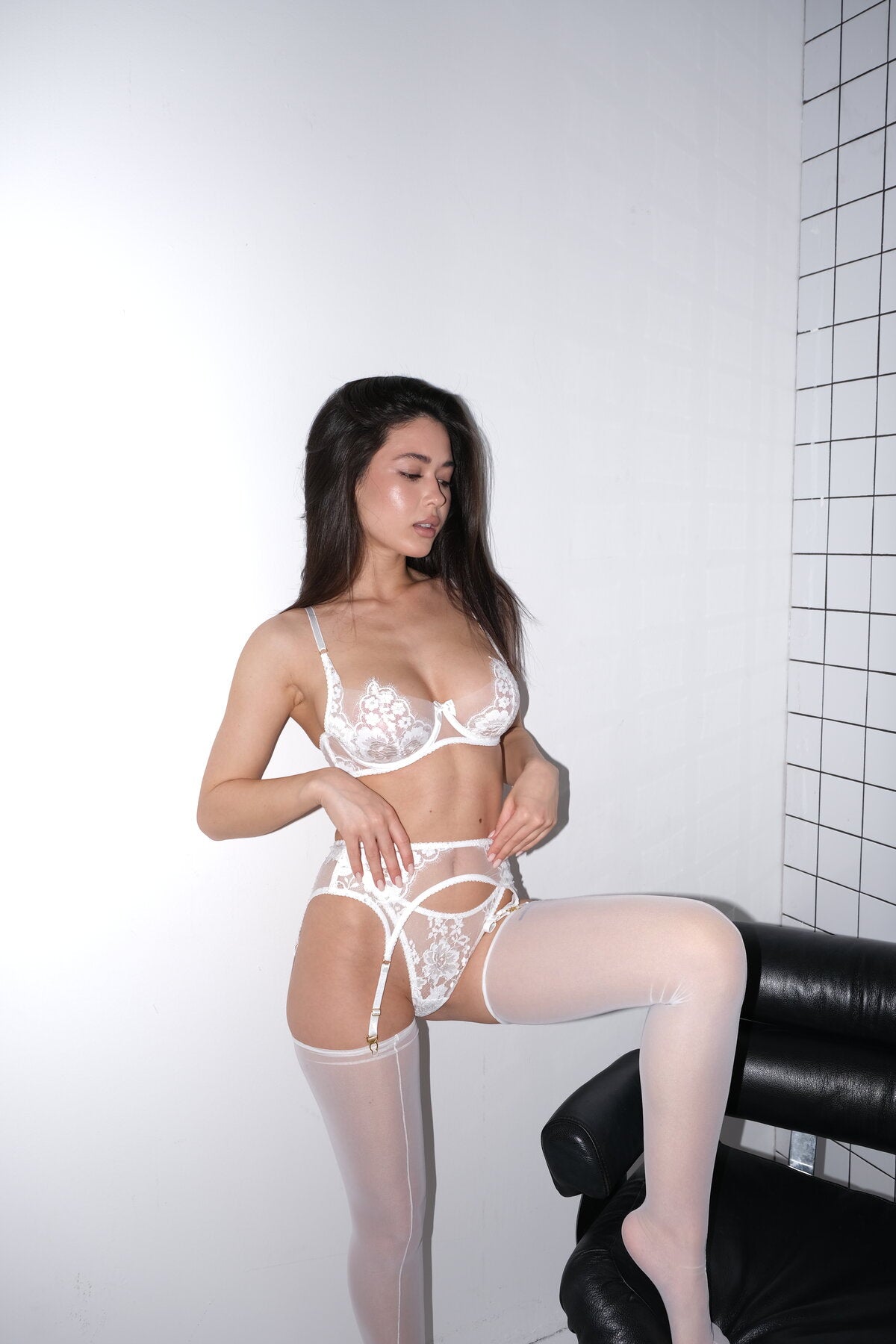
We read a story like this with more than professional interest. Lioness is a small, made-to-order house too, not a factory with a name attached to it. Every piece we sell gets cut and assembled after someone orders it, the same principle behind our own approach to custom lingerie: no warehouse of finished stock sitting between us and the person who will wear it. That model has real advantages, and it also means the same structural question Moreau just answered the hard way applies to us on a smaller scale: what actually has to survive as a small brand grows, and what is just overhead that happened to come along with it.

The honest answer, watching Moreau change hands for the fourth time in fifteen years, is that craft and reputation can outlast almost any single owner, provided somebody keeps funding the workshop rather than just the marketing around it. The precision in a piece from our own Provocation line only exists because the pattern work and stitching stay funded season after season, regardless of who signs the invoices. That is not a glamorous lesson. It is the one that decides whether a house is still making anything in another 144 years, or just licensing a name to whoever bought the trademark. Lécuyer's own workshops in Lisieux and Flers, plus production capacity in Tunisia, are meant to secure the supply chain that nearly took Moreau down in the first place. Whether that investment lands is the part of the story still being written.
Atelier Notes is where the Lioness team writes about the wider fashion and lingerie industry: runway moments, craftsmanship stories, and the ideas moving through fashion that connect back to how we build our own pieces. Separate voice from the Lioness Studio guides, same team behind it.