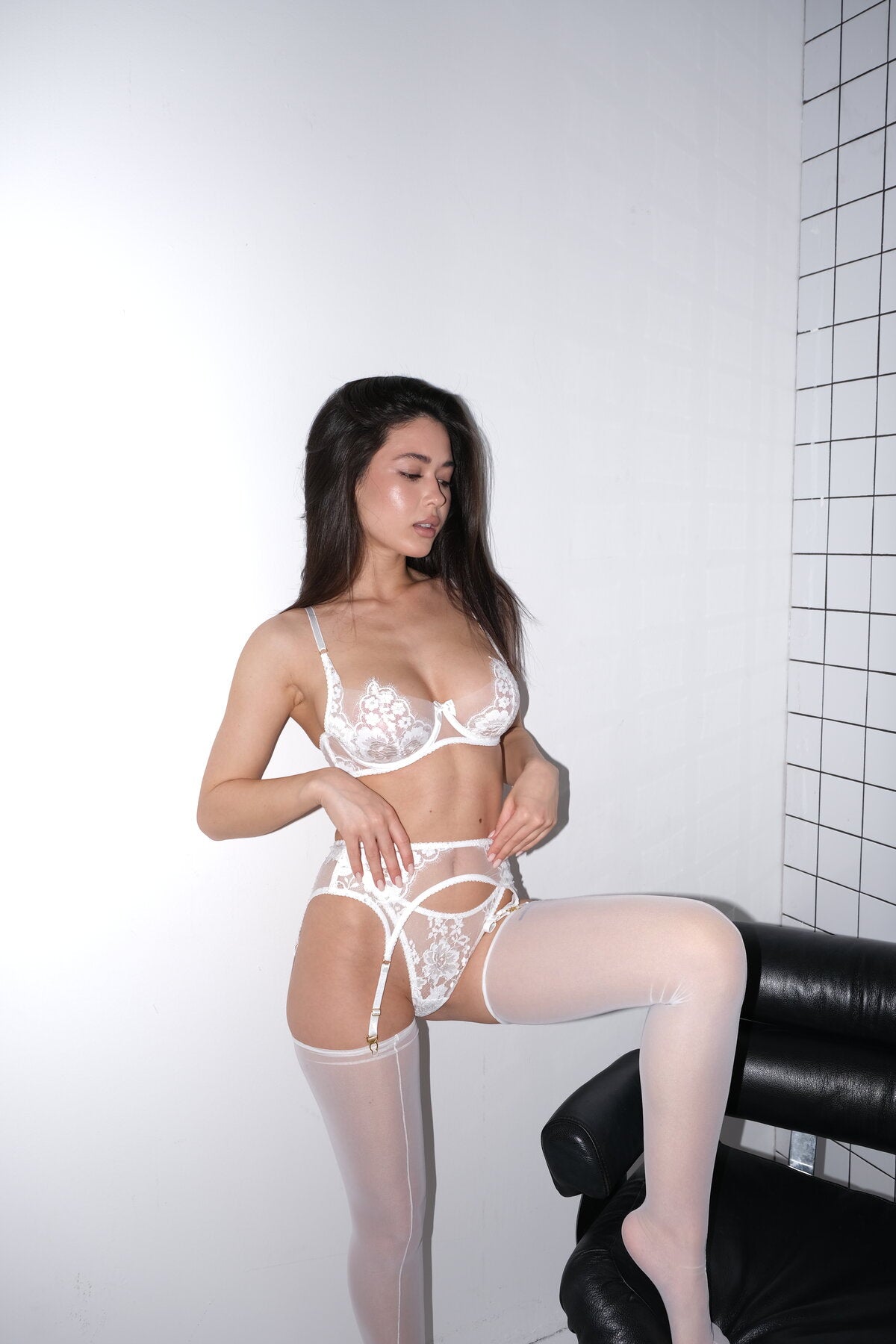


Last updated: August 10, 2026
Lioness holds no lingerie in a warehouse waiting to sell. Every bra, belt, and set on this site gets cut, sewn, and finished after an order comes in, not before. That single decision shapes almost everything else about how the brand works: the wait, the fit, the price, and the fact that a size chart alone can't tell you what a piece will actually feel like until it's built to match you specifically.
Key Takeaways
- Lioness carries zero standing inventory on purpose. Nothing is pre-made and stored; production starts when an order comes in.
- Made to order is not the same as fully bespoke. It uses existing, tested patterns and a real size range, with some room to adjust specific details.
- The trade-off for a longer wait is a piece built to your actual measurements, not a size that's simply close enough.
- Fit still matters most. A custom cut only pays off if the size you order is the size you actually are.
What "made to order" actually means here
It means production only starts once an order is placed, using the size and color selected to cut and assemble that specific piece. It isn't a slower version of mass manufacturing dressed up in nicer language. It's a different production model, built around small runs and finished garments made to match a person rather than a sales forecast.
That's different from full bespoke or couture, where a garment is built from scratch around one person's exact body, usually with several fittings and a pattern that exists nowhere else. Lioness sits between the two: real, tested patterns and a genuine size range, worked out through accurate measurements rather than guesswork, then built and finished by hand instead of pulled off a shelf. The result is the fit advantage of something made specifically for your size, without the multi-fitting timeline or price of true couture.
Why we don't keep stock
Holding inventory means guessing what will sell, in which sizes and colors, months before anyone actually buys it. Get that forecast wrong, which happens constantly across the industry, and the result is markdown racks and warehouses full of pieces nobody wanted in the first place.
The Ellen MacArthur Foundation's 2017 report on the textile industry, A New Textiles Economy, found that the equivalent of one garbage truck of clothing is landfilled or incinerated every second, and that less than 1% of the material used to make clothing is recycled back into new garments. Making only what's already been ordered sidesteps that cycle before it starts.

There's a real cost to this model too, worth naming instead of glossing over: the wait is longer than it would be for something already sitting in a warehouse. That's the trade. What comes back is a piece cut for the size a customer actually is, not the size that happened to be left on a shelf.
What you can actually customize
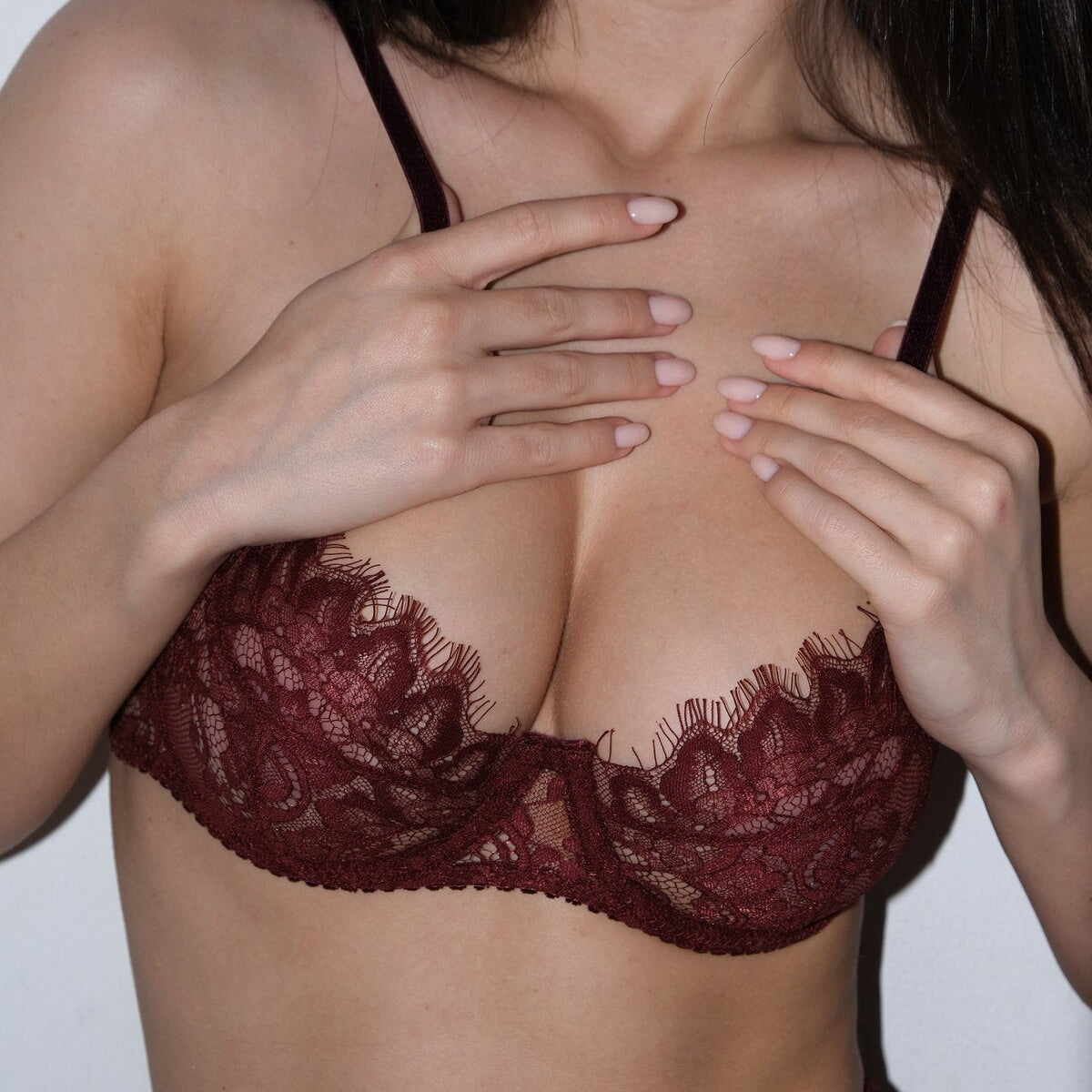
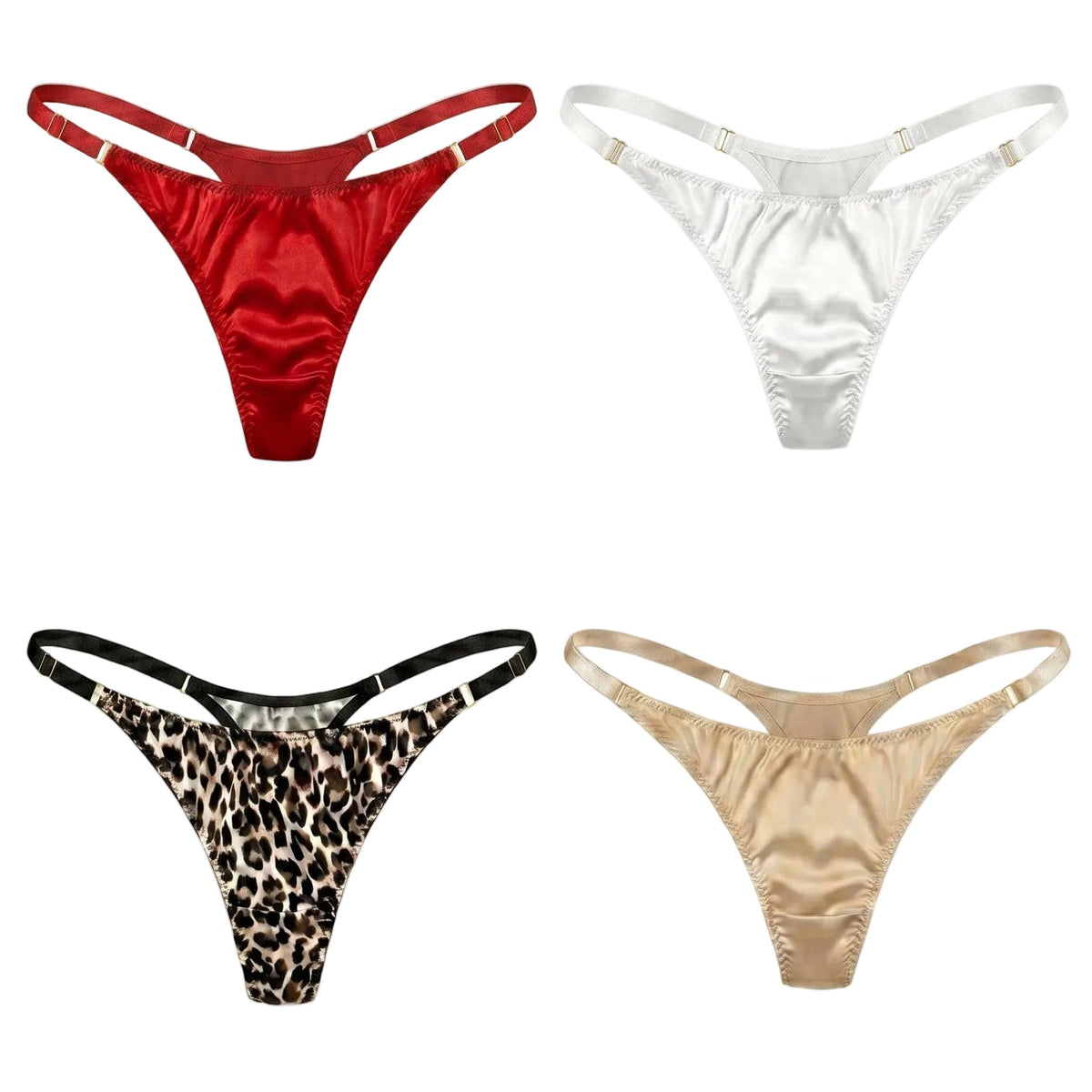
Size and color are the two variables built into every listing, and they're where most orders live. Band and cup are cut to the specific size selected, not stretched or squeezed to approximate it, and most sets come in more than one colorway rather than a single default shade.
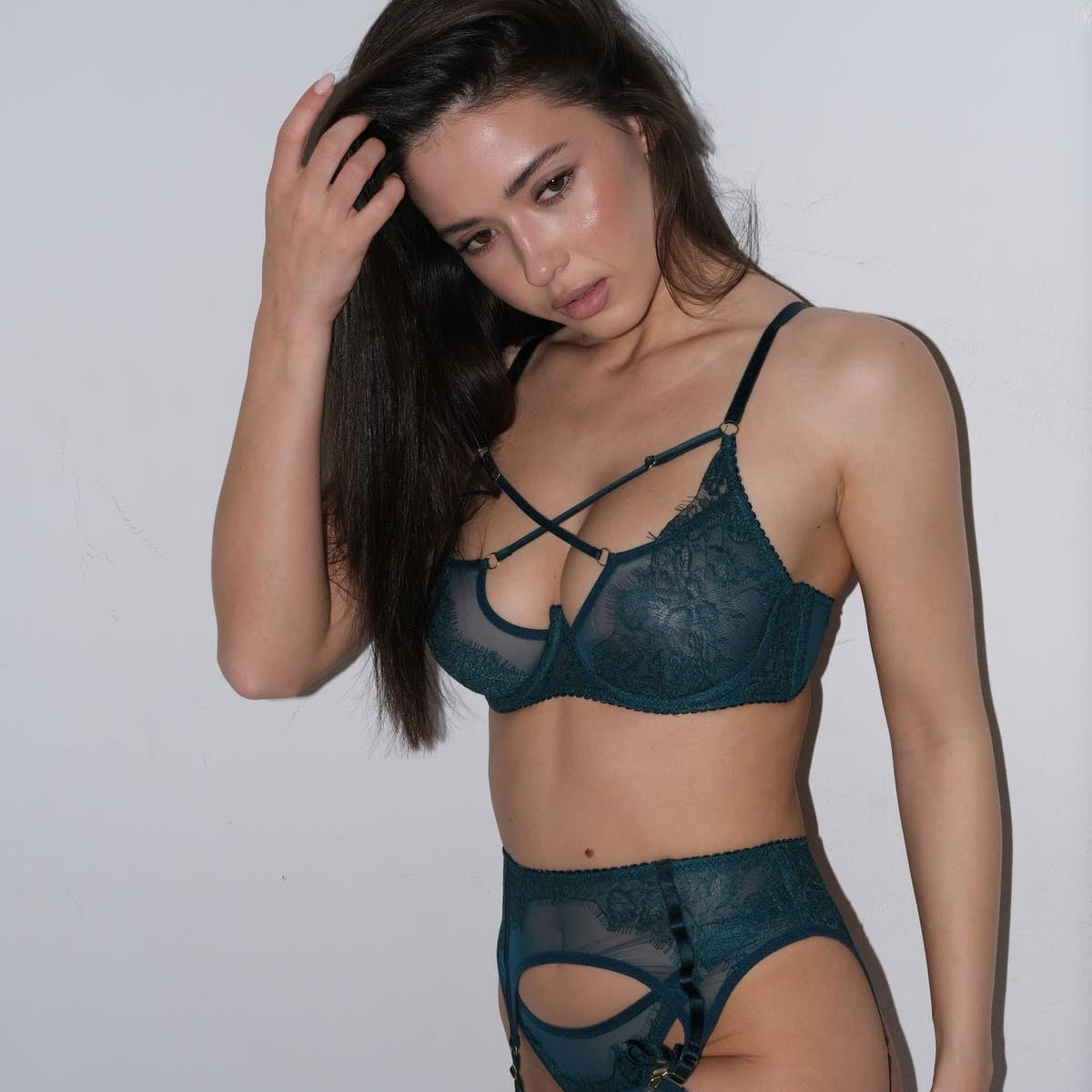
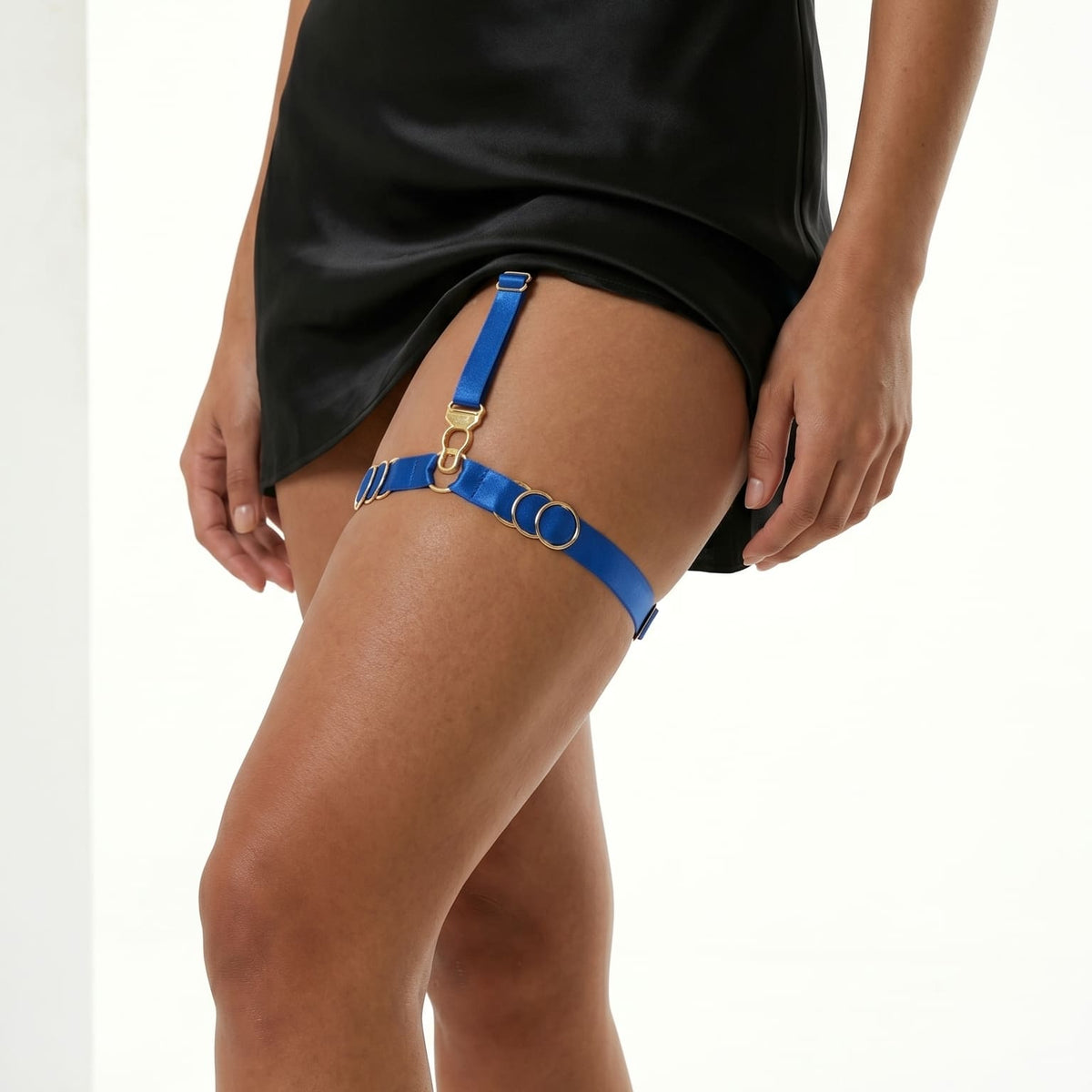
Beyond that, customization narrows. Strap length, hook placement, and small construction details can sometimes be adjusted on request depending on the piece, but this isn't a build-your-own-garment configurator. Each collection, from the structured cups in Provocation to the color depth in Sapphire, has a defined silhouette that made-to-order production respects rather than reinvents piece by piece.

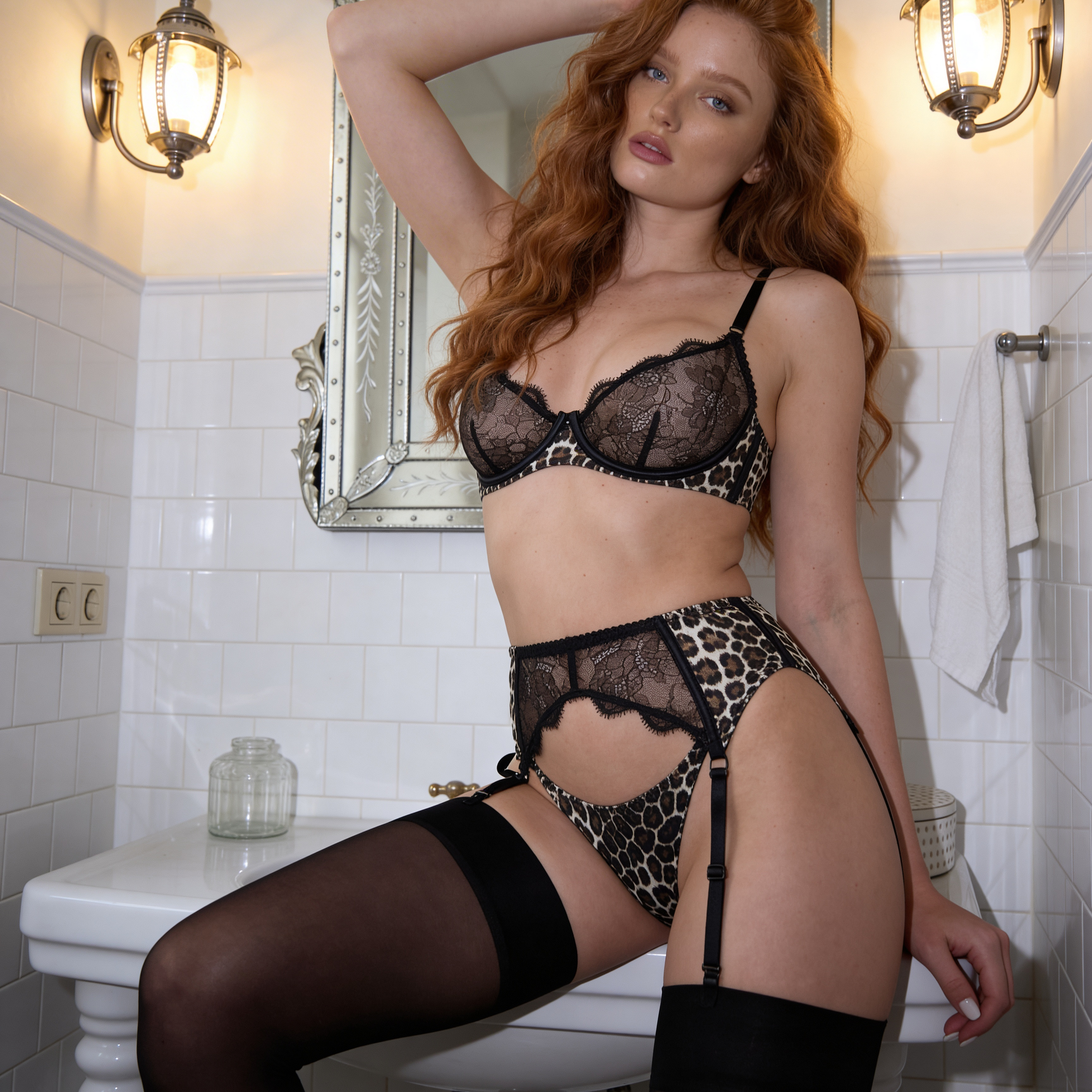
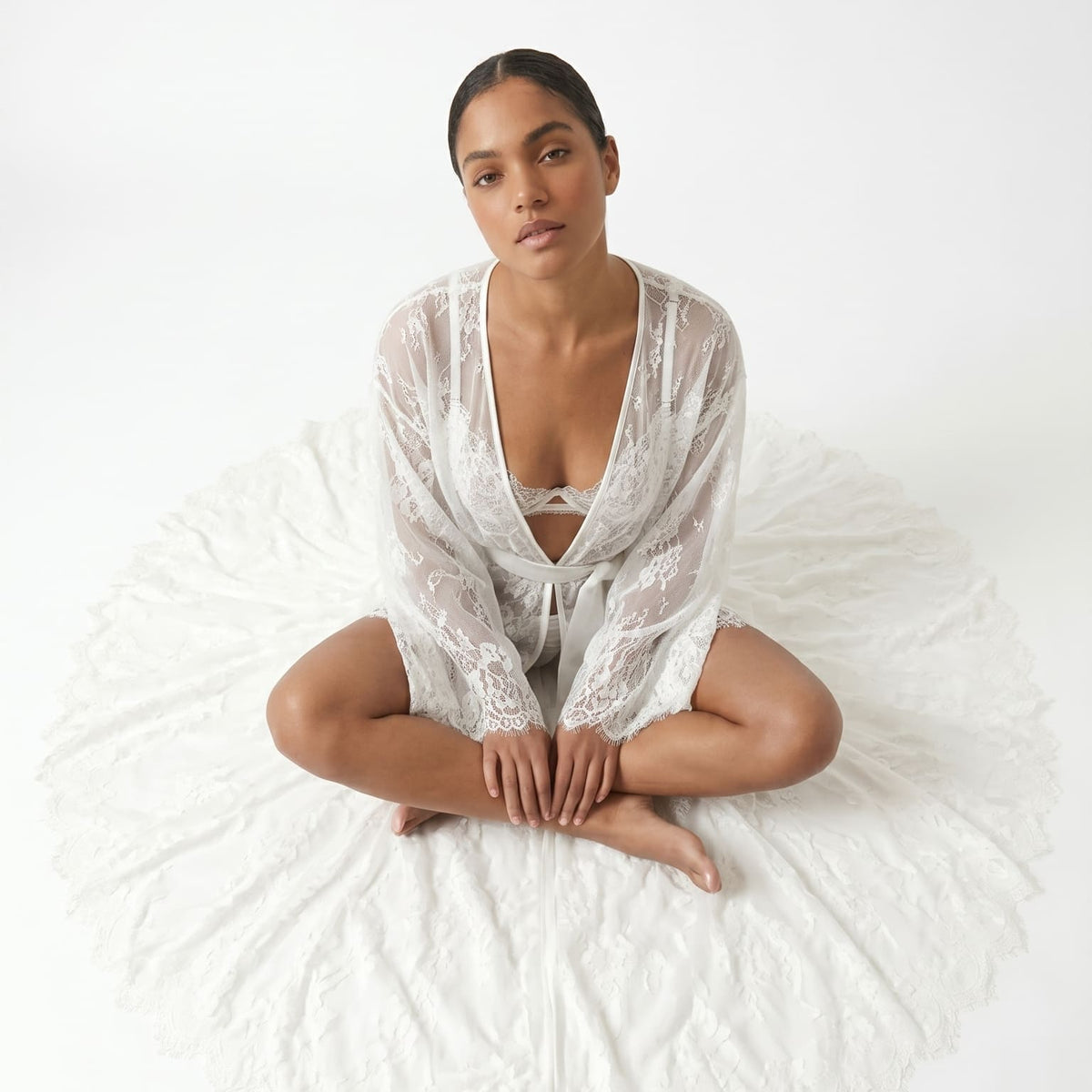
Sets aren't limited to bras and briefs either. Robe and suit-style pieces in collections like Amalia Empress and loungewear from Femme Totale go through the same order-then-build process, so the model isn't specific to structured bras. It's how the whole catalog works.
Who actually makes it
Each piece is cut and finished by hand in small runs rather than assembled on a high-volume production line built for thousands of identical units. That's true whether it's a set from the core Bras and Panties lines or a full look pulled from the wider Lingerie collection. Hardware gets attached, lace gets set, and closures get finished one piece at a time, because there's no batch of a thousand identical units to run through a line.
This is also why made-to-order production and handcrafted construction tend to show up together. Once a garment stops being cut in bulk ahead of demand, cutting it by hand to an individual order is a small additional step, not a separate business model layered on top.
What the process looks like, start to finish
An order comes in with a size and color selection. That specification goes to production, where the piece is cut and sewn as a single unit rather than pulled from a pre-cut batch sitting in a bin. Finishing work, including edging, hardware, and closures, happens by hand on each piece before a quality check and shipping.
This takes real time, because nothing is shortcut by grabbing a finished garment off a rack. It's slower than same-day shipping from a warehouse, and that's expected, not a delay in the ordinary sense. If an order is timed around a specific date, a trip, an event, or a gift, building in extra time up front avoids a rushed order later.
What made to order means for fit
It means the size selected actually gets built to that size, but it doesn't remove the need to get the size right in the first place. A custom cut of the wrong number on a chart still won't fit. Our measuring guide and fitting guide both exist for exactly this reason: made-to-order production only pays off when what's ordered matches the body wearing it.

If something arrives and the fit isn't right, that's worth a direct conversation with the team rather than a guess sat with quietly. Because every piece is cut specifically for one order, adjustments and exchanges are handled case by case rather than through a generic returns process built for shelf inventory.
Is made to order worth the wait?
For anyone who has bought a "standard" size before and had it fit oddly anyway, the trade usually makes sense. This isn't a choice between fast and slow for its own sake. It's a choice between a piece built around a sales forecast and one built around actual measurements. The wait is the cost of the second option, not a flaw in it, and it's the same reason a tailor takes longer than a rack of pre-cut suits.
Frequently asked questions
Is made to order the same as custom-sized?
Mostly, yes. The selected size determines how the piece is cut, so it's built to that specific size rather than pulled from pre-made stock. It isn't a fully bespoke pattern built around one person's body from scratch.
How long does a made-to-order piece take to arrive?
Longer than an in-stock item, because production starts after the order rather than before it. For a piece needed by a specific date, ordering with margin rather than right up against it is worth the extra week.
Can I request a custom color or size outside the standard chart?
Sometimes, depending on the piece and collection. Reach out to the team directly with what's needed rather than assuming it isn't possible.
Why doesn't Lioness just keep popular sizes in stock?
Because "popular" is a guess made months in advance, and guessing wrong means markdowns, waste, and sizes that still don't fit the people wearing them. Making only what's ordered avoids that step entirely.
What if a made-to-order piece doesn't fit when it arrives?
Contact the team. Because each piece is cut individually, fit issues get handled directly rather than through a standard stock-return process.
Written by Lioness Studio, the team behind every made-to-order piece at Lioness Lingerie. We write about fit, fabric, and the process behind what we make, because a good fit starts with understanding how something is actually built.