

Last updated: August 10, 2026
Have you noticed when a brand last meant what it used to mean? Not a logo you recognize from twenty feet away. Not the first twenty-four hours of a drop, before anyone has actually worn it. A name that stood behind one person willing to sign their own work.
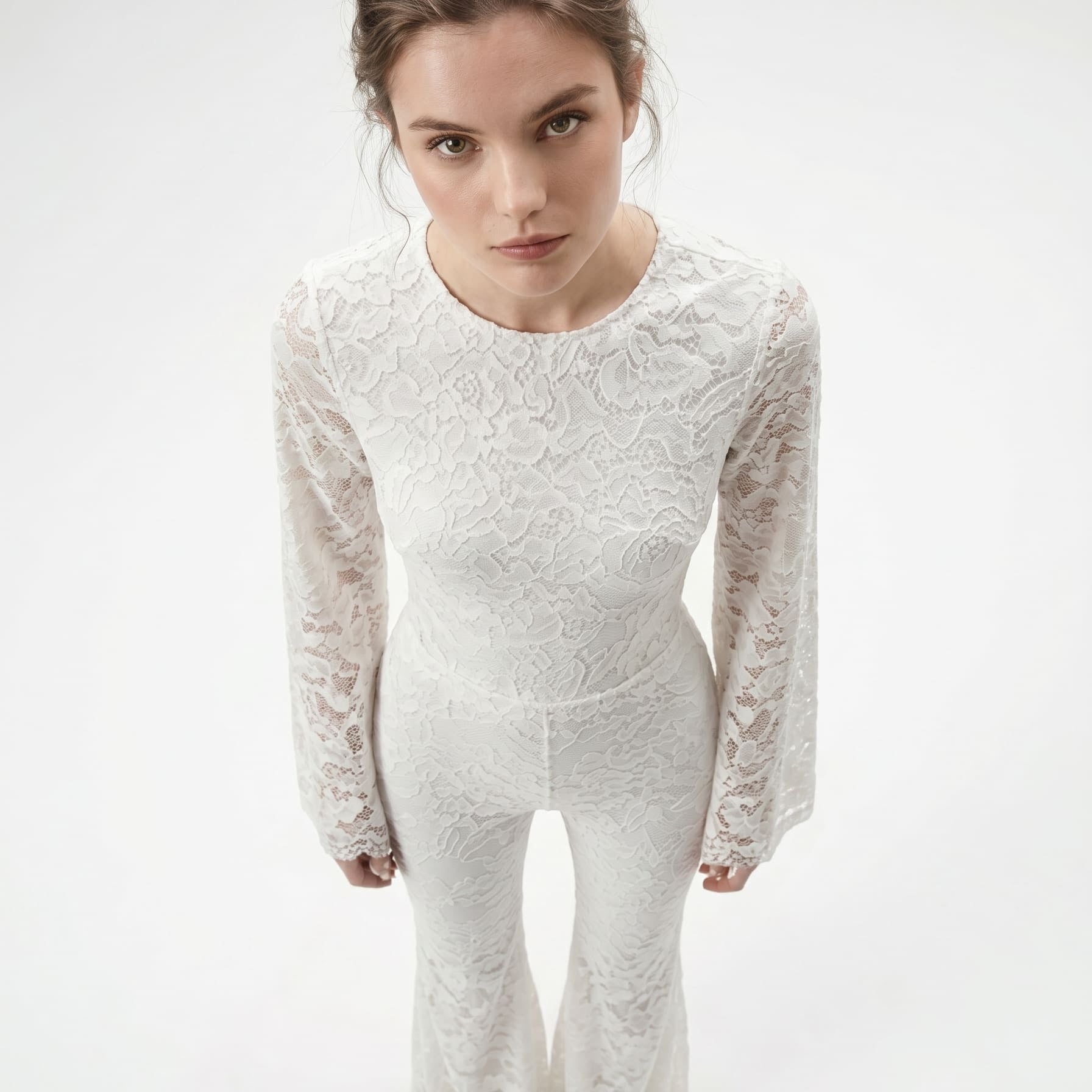
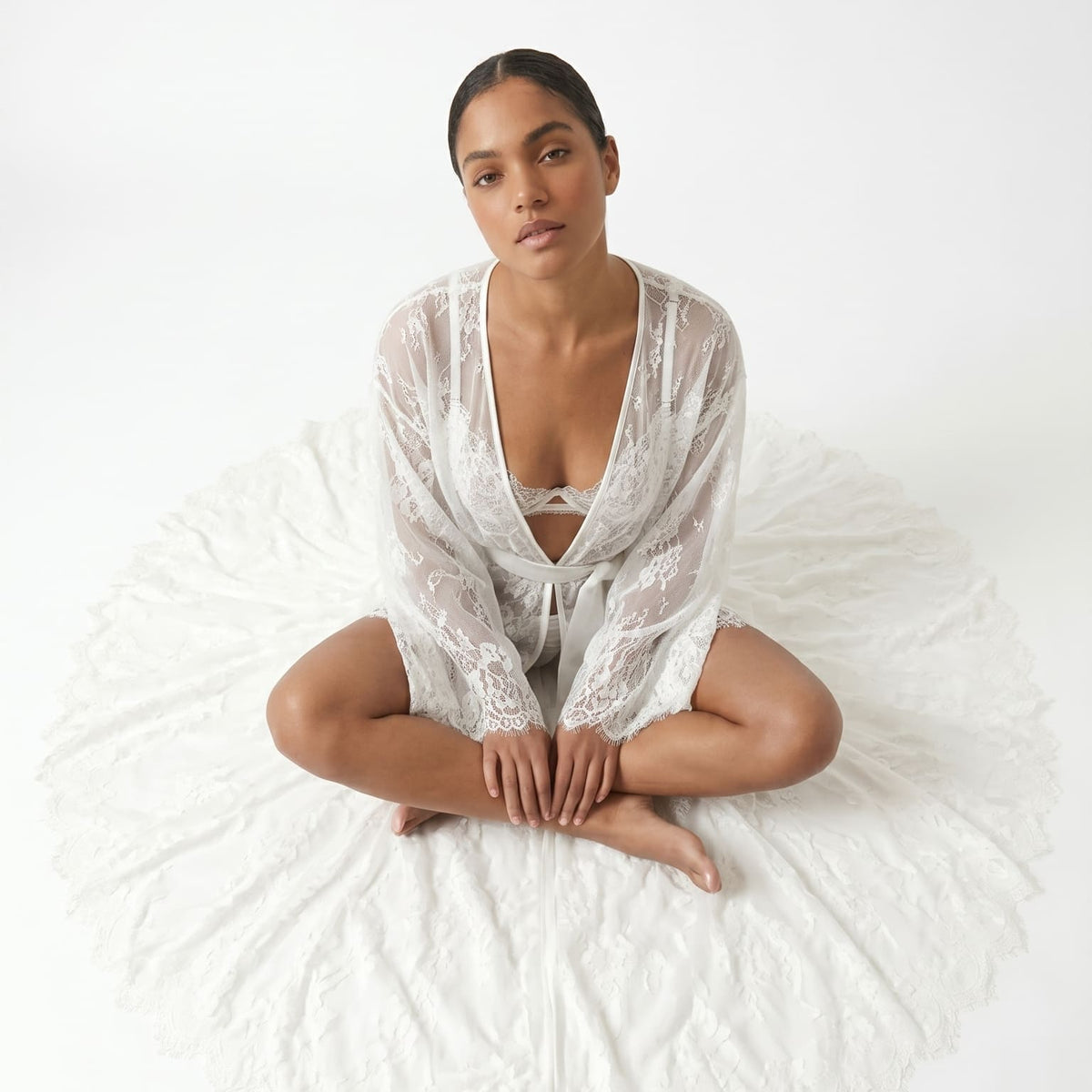
In some families this was not a metaphor. Wedding lace got collected over years, sometimes generations. A mother opened a trunk and took out a fragment of lace from her own wedding, then handed it to a seamstress to work into something new for her daughter. The finished piece was part inheritance, part new work, cut for the body of whoever would wear it first. By the time that lace reached a third generation, it had seen more weddings than the family could count around one table.
None of that is nostalgia for its own sake. It was an economy of care. Lace that took that long to make and cost that much did not get thrown away. It got passed on. The piece was built to outlast the day it was made for.
We bring this up because the real difference between that lingerie and most of what gets sold as bridal today comes down to one question: is the piece built to be remembered, or just photographed once.

There is a difference between fabric that simply covers the body and fabric you forget about because it sits exactly right. Lace that does not scratch. A seam that does not press where seams usually press. A closure that fastens correctly the first time instead of after a week of breaking it in. None of that happens by accident. It comes from a decision made at three in the morning: leave the stitch as it is, or take it out and redo it, knowing no one else would have noticed either way.

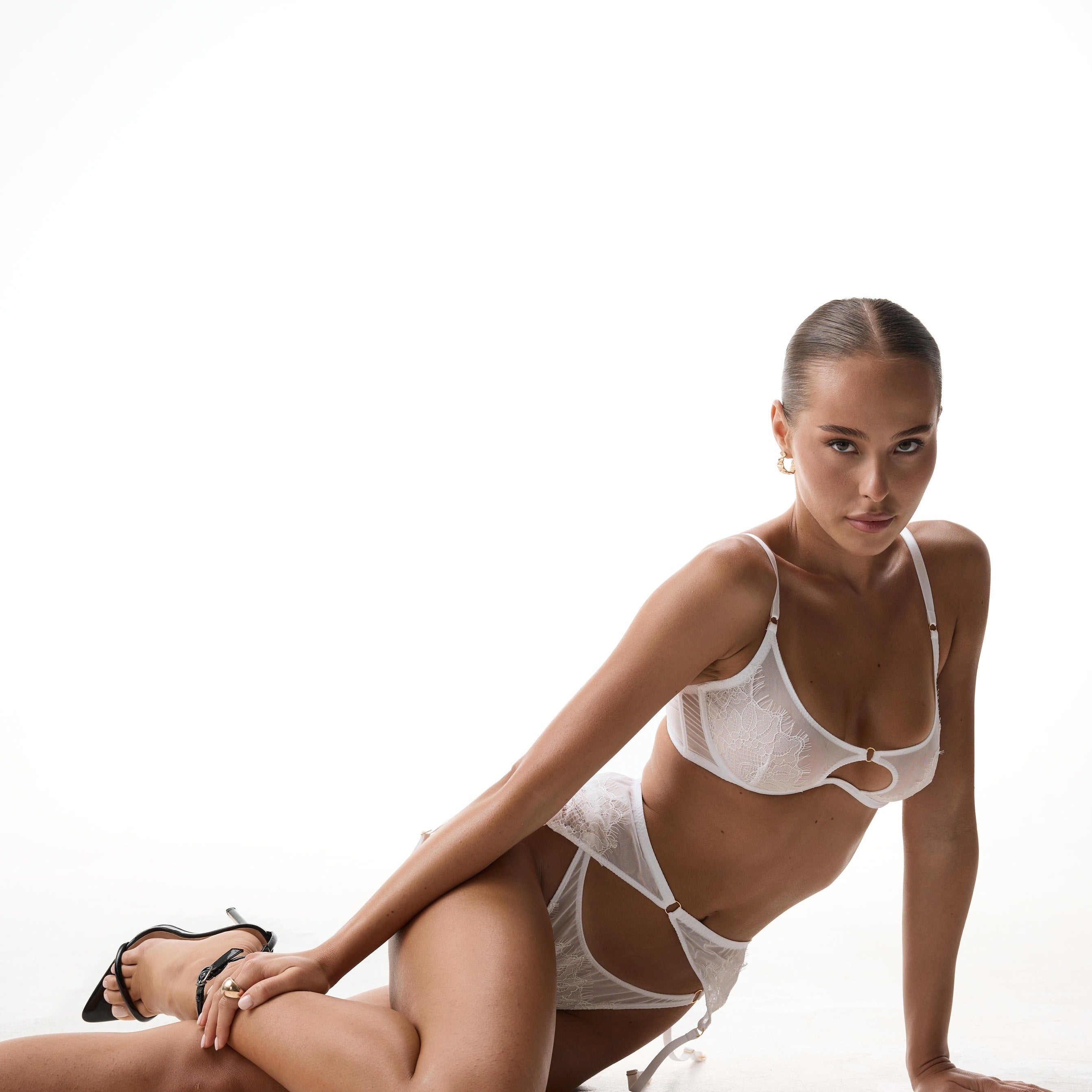
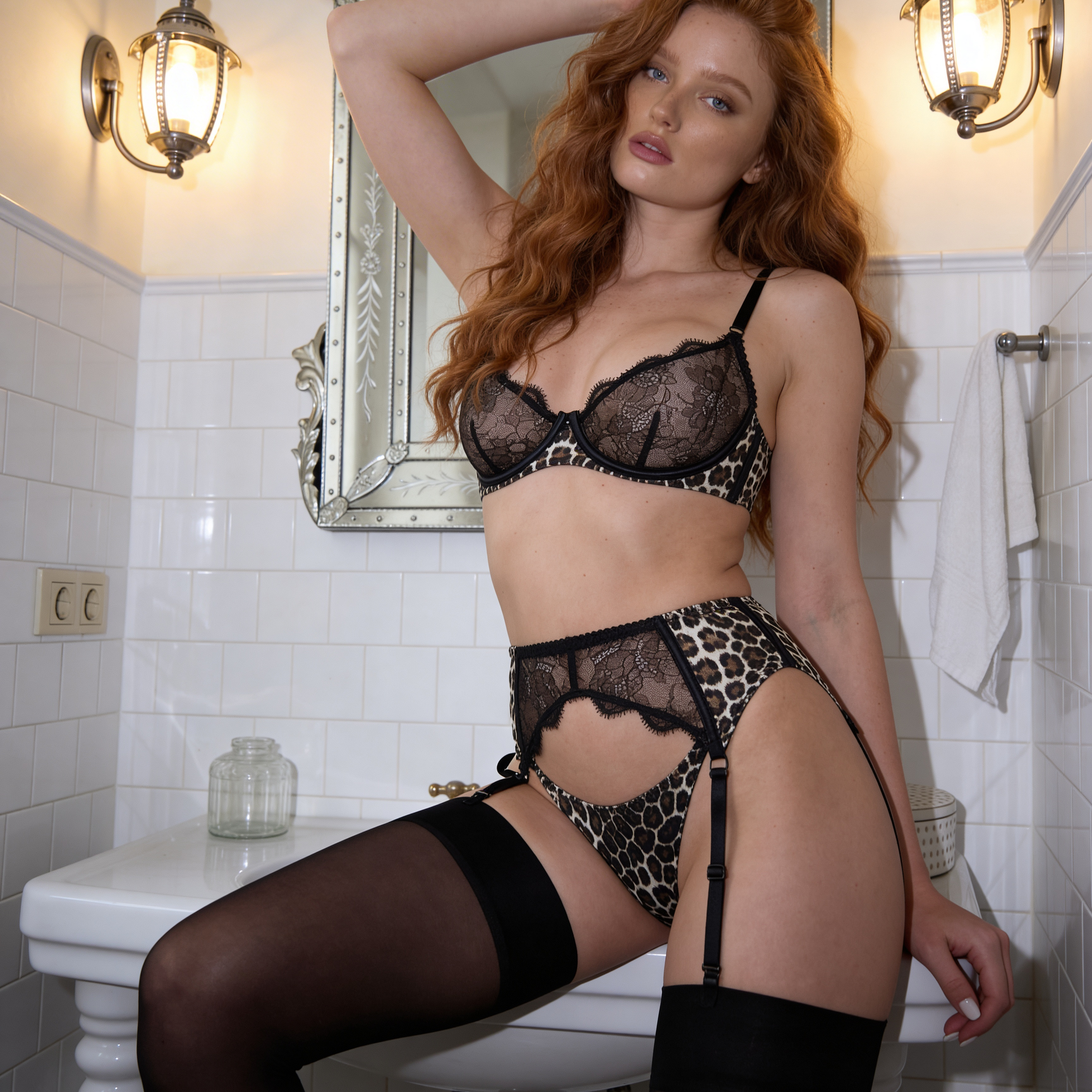
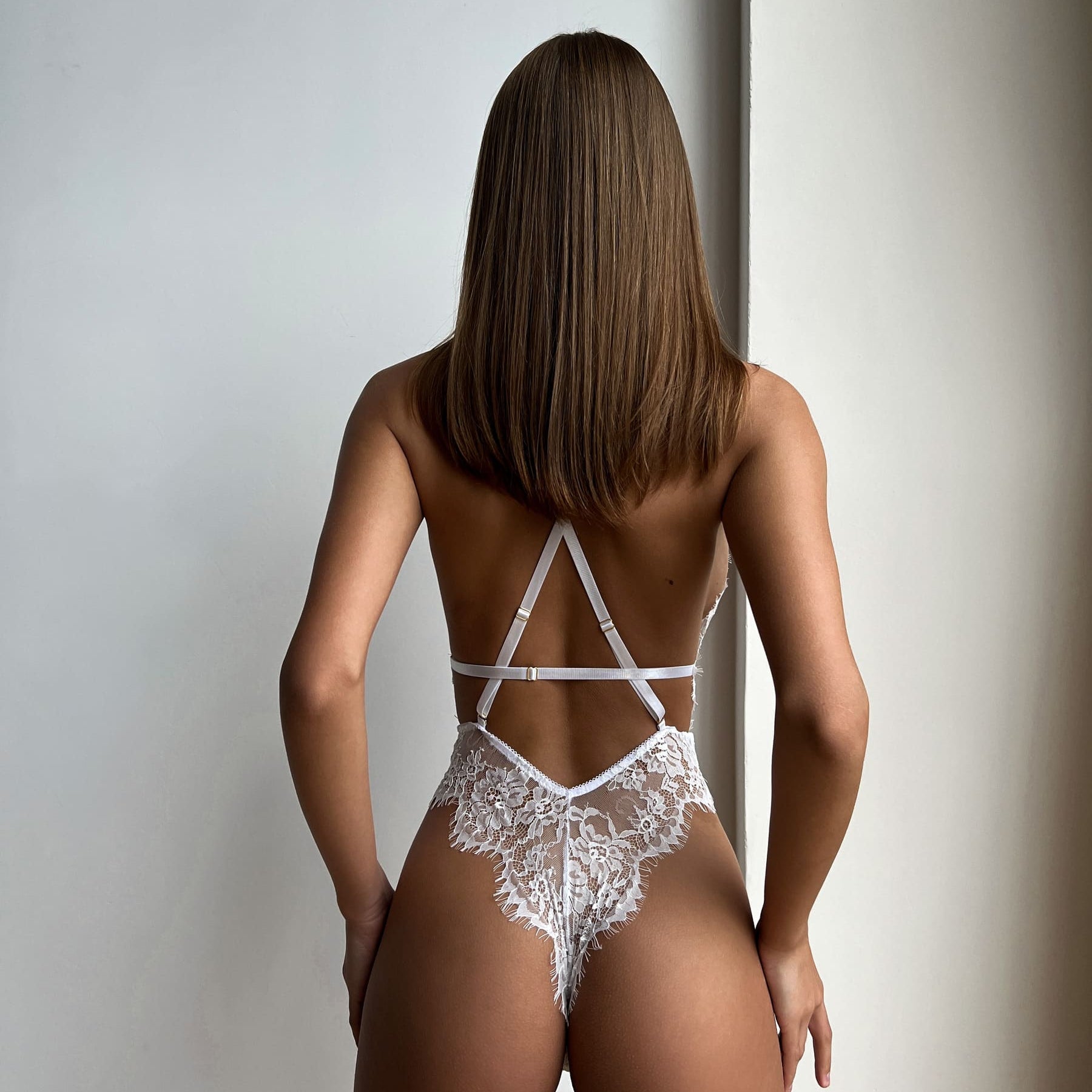
We do not produce in batches ahead of demand, and we do not keep a warehouse of finished sizes. Every piece in Bridal Lingerie starts with one person's measurements, the same way that lace once started with the measurements of one particular bride rather than an average size. It takes longer. It does not scale the way a warehouse scales. It is the only way we know to keep the reason lingerie is worth making in the first place.
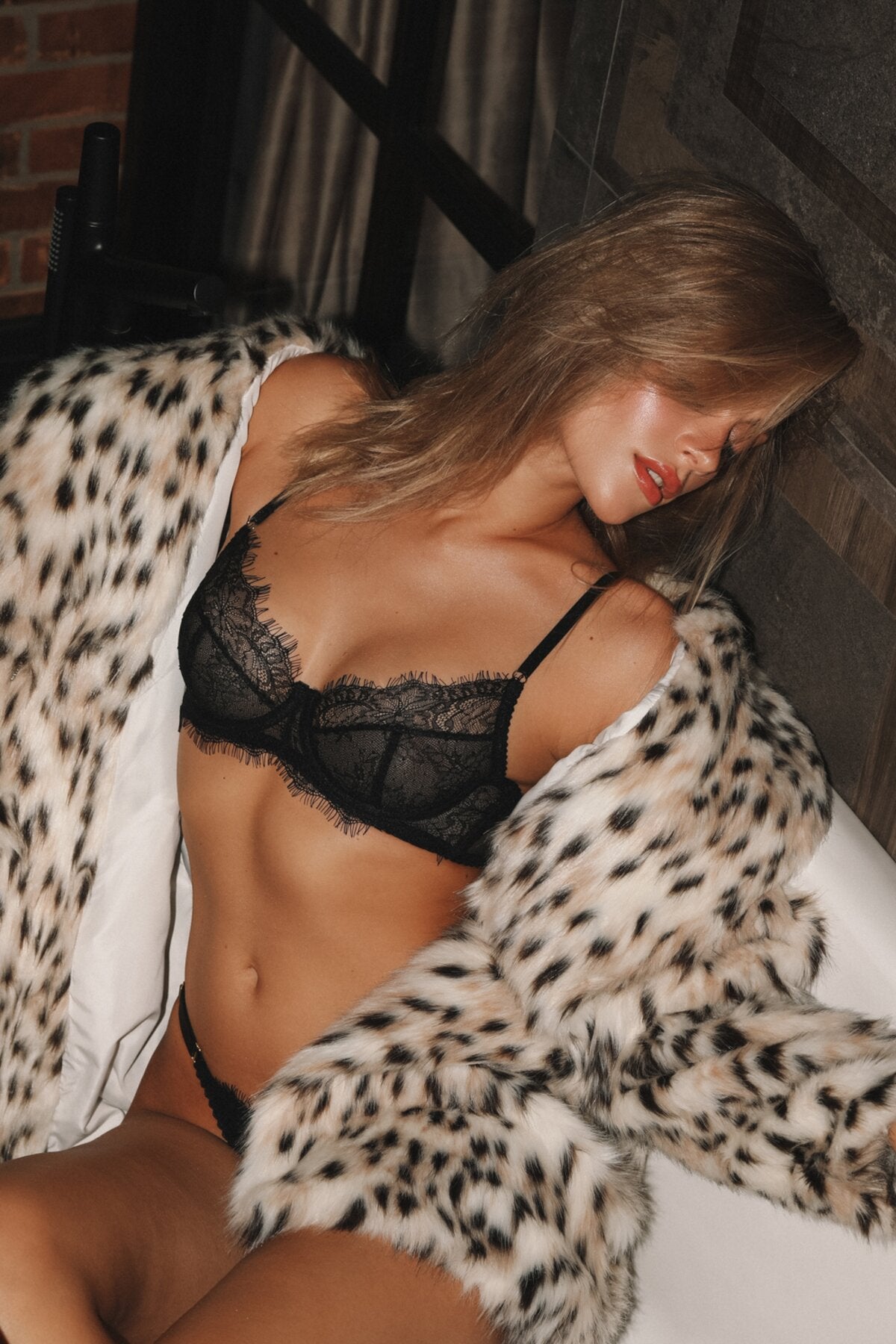
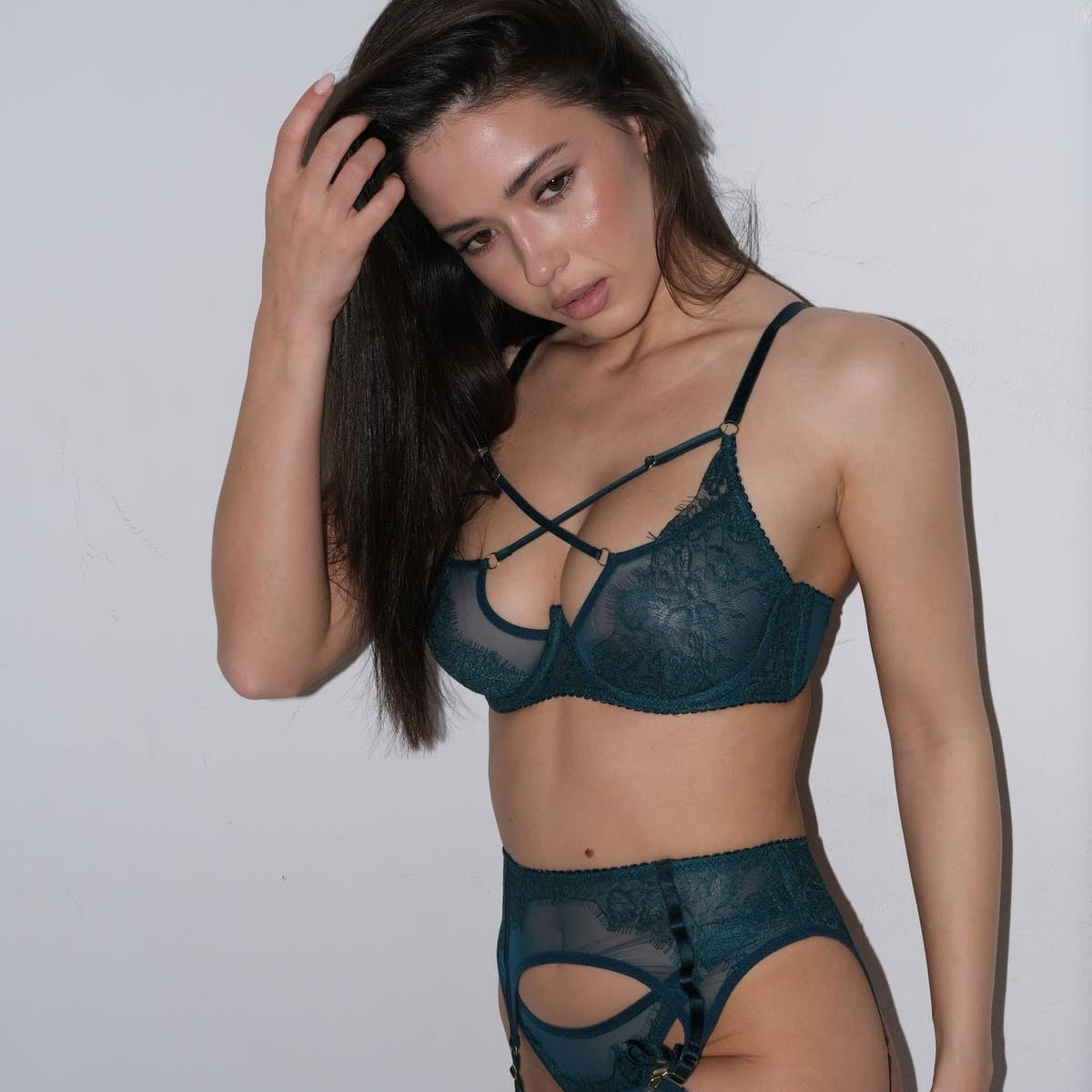
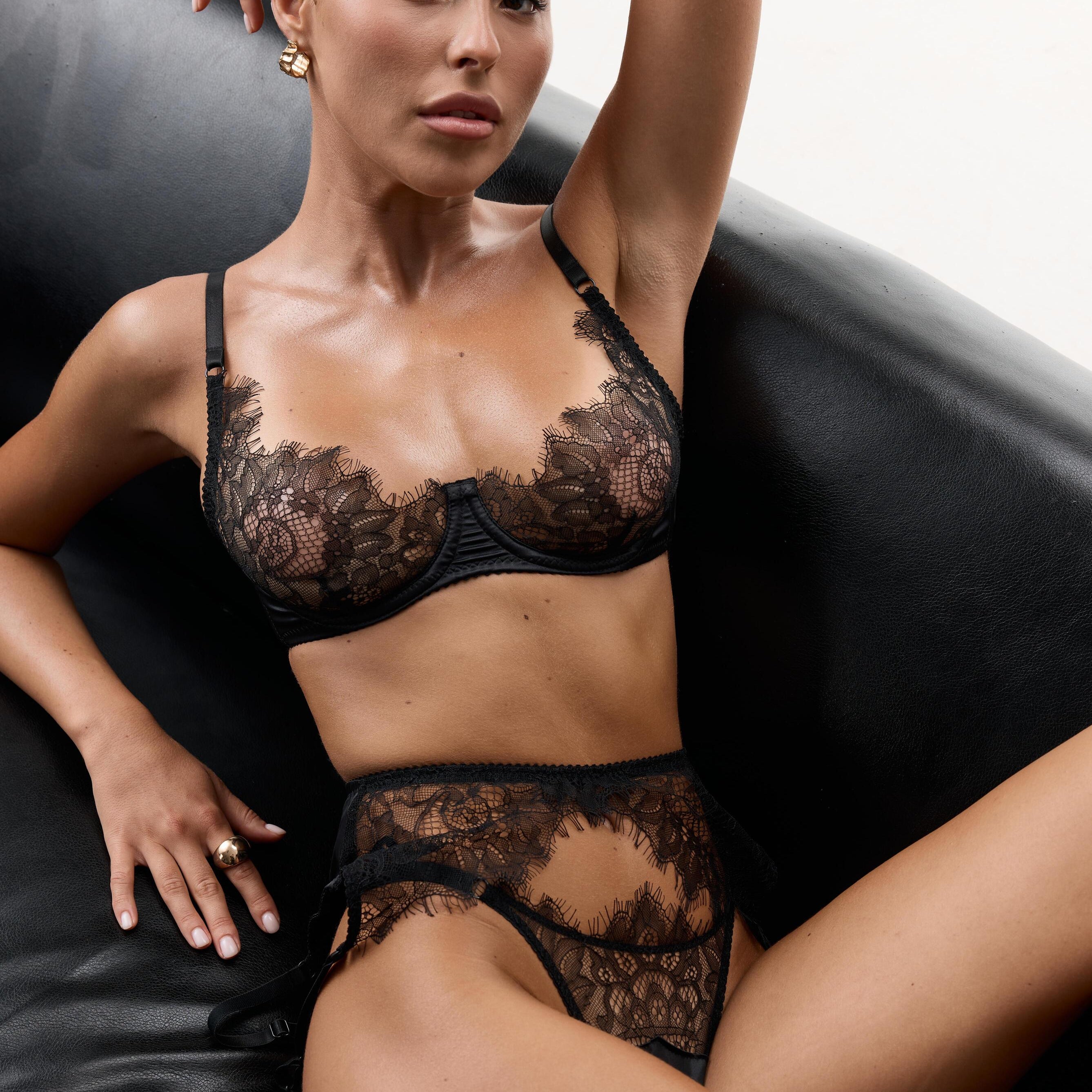
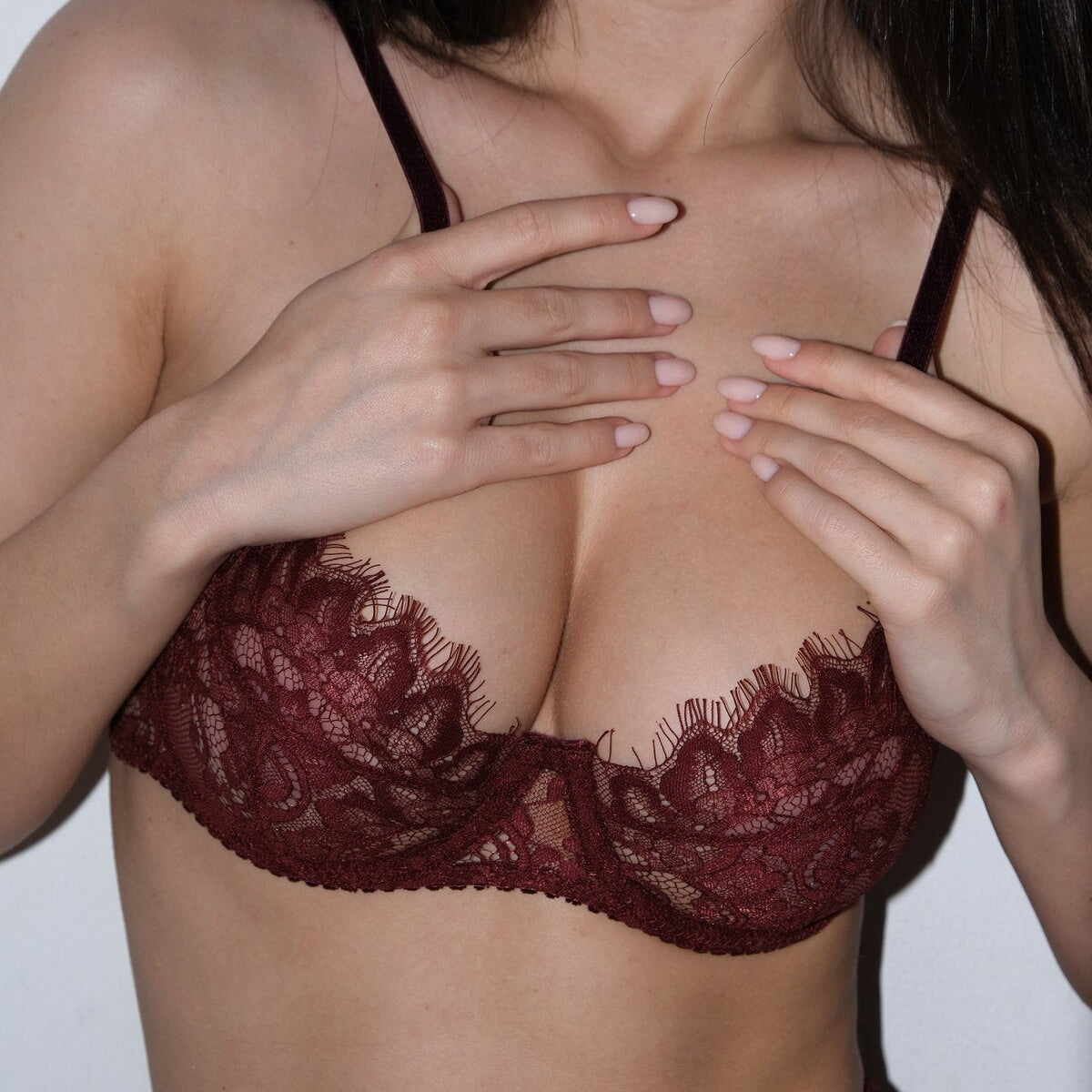
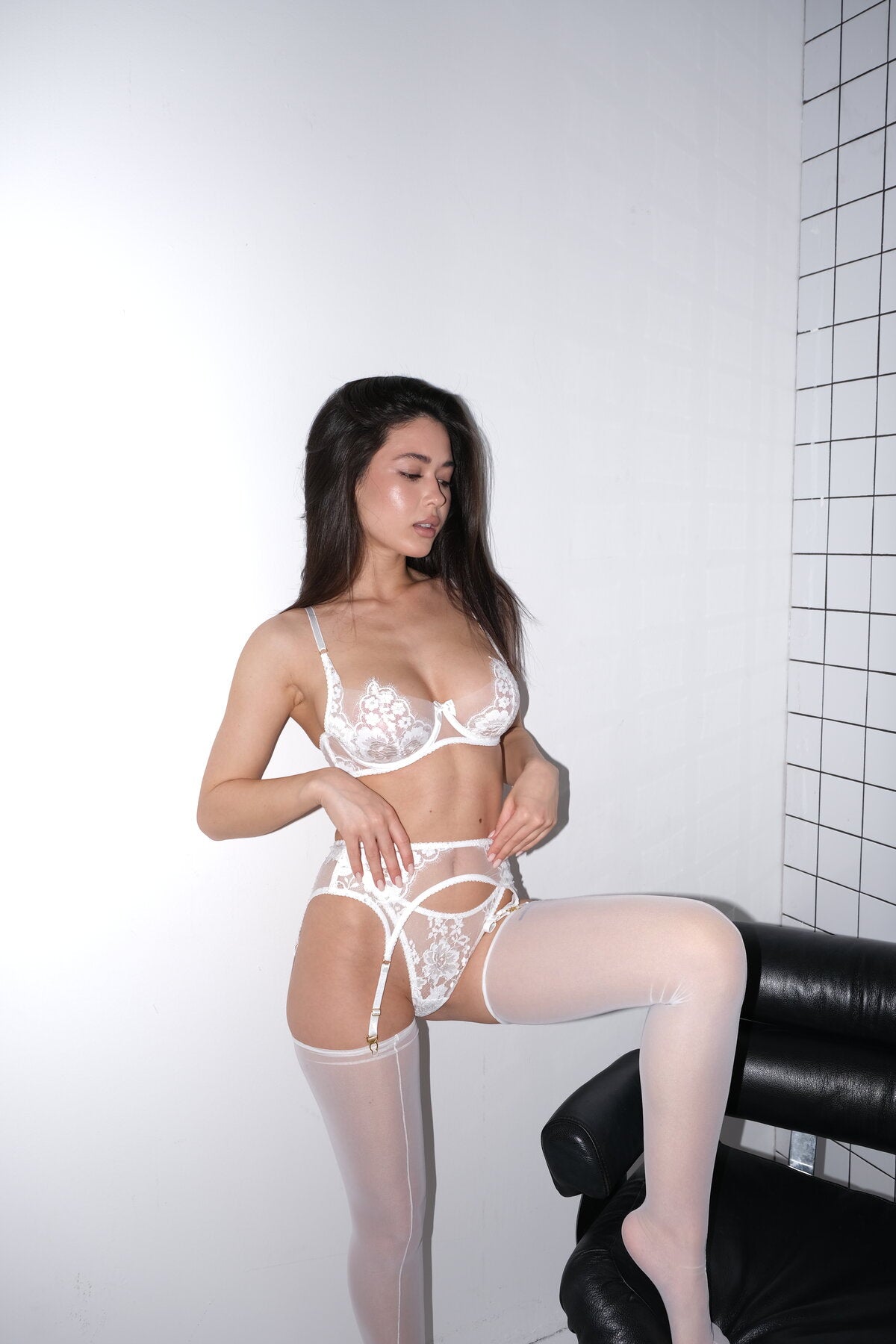
Here is what we are actually trying to do: make the touch of fabric against skin something you notice, not something that fades into the background of the day. Not because the piece announces itself, but because it is cut precisely enough that the body recognizes the quality before the mind finds the word for it. Fine lace from Lace Poetry that feels less like fabric and more like a second, more honest layer of skin.

All of this costs more than mass production. It takes longer. A brand that gives up nothing for that probably is not holding onto anything worth the sacrifice.
Lace that survived three weddings in one family was not kept because it was flawless from the first stitch. It was kept because someone once decided to sew it as though it needed to outlast them. We sew with the same idea in mind.
Lioness Studio is where our team writes about how we build our pieces: fit, craft, and the everyday work behind made-to-order lingerie.