

Last updated: August 21, 2026
Most guides to wedding lingerie quietly merge two different questions into one: what do you wear under the dress, and what do you wear once the dress comes off. They call for different things. Under-dress lingerie has one job, to disappear. No visible seams, no color mismatch under silk or satin, no straps fighting with a neckline. Wedding-night lingerie has close to the opposite job. It is meant to be seen and chosen on purpose, not grabbed as an afterthought the week before the wedding. Treating both as a single purchase is the most common reason a bride ends up with a set that photographed well but did neither job properly on the day.
Key Takeaways
- A "bridal lingerie set" is really two purchases: invisible support for under the gown, and a separate, more deliberate set for afterward.
- Ivory and soft white sit more naturally against most wedding gowns than stark white, which can read slightly grey by comparison.
- Backless, plunge, and mermaid dress shapes each rule out certain lingerie styles before personal taste even enters the decision.
- A robe earns a place in the set twice: once for getting-ready photos, once the next morning.
- Order bridal lingerie on the same rough timeline as the dress itself, not as a last-minute add-on.
What actually counts as a bridal lingerie set
A bridal lingerie set, in practice, covers two separate roles: what goes on underneath the wedding gown during the ceremony and reception, and what gets chosen deliberately for later. Under-dress lingerie is functional first. It needs to match the dress's fabric weight, sit flat under a fitted bodice, and stay invisible through a full day of photographs, dancing, and a dress that was fitted to a very specific silhouette. The wedding-night set is a different decision entirely, closer to how someone would choose a set for any occasion they actually want to be seen in: color, lace, and how the pieces work as a whole matter more than whether a seam shows.
The instinct to treat wedding lingerie as its own category is not a modern marketing invention. When Catherine de' Medici traveled to Marseille in 1533 to marry into the French royal family, her uncle Pope Clement VII had Isabella d'Este assemble her trousseau from lace, gold cloth, and silver cloth, and Catherine's own lingerie was made from the same materials as her ceremonial garments. Historians tracing her wedding preparations point to it as one of the earliest documented cases of bridal underclothing being treated with the same seriousness as the dress itself.

Do you actually need more than one set?
Most brides end up with two or three, not because a guide told them to, but because the day itself has that many distinct moments. There is the under-dress set, worn from getting ready through the reception. There is often a robe or a loose piece for the morning-of photos, before the dress goes on. And there is the set chosen for the night itself, which can be entirely different in color, structure, and mood from what was worn all day. If budget or packing space is the real constraint, the under-dress set and the wedding-night set are the two worth prioritizing. Everything else in how to build a set that actually fits still applies here: fit comes before styling, every time.
Choosing a color: ivory, white, blush, or something bolder
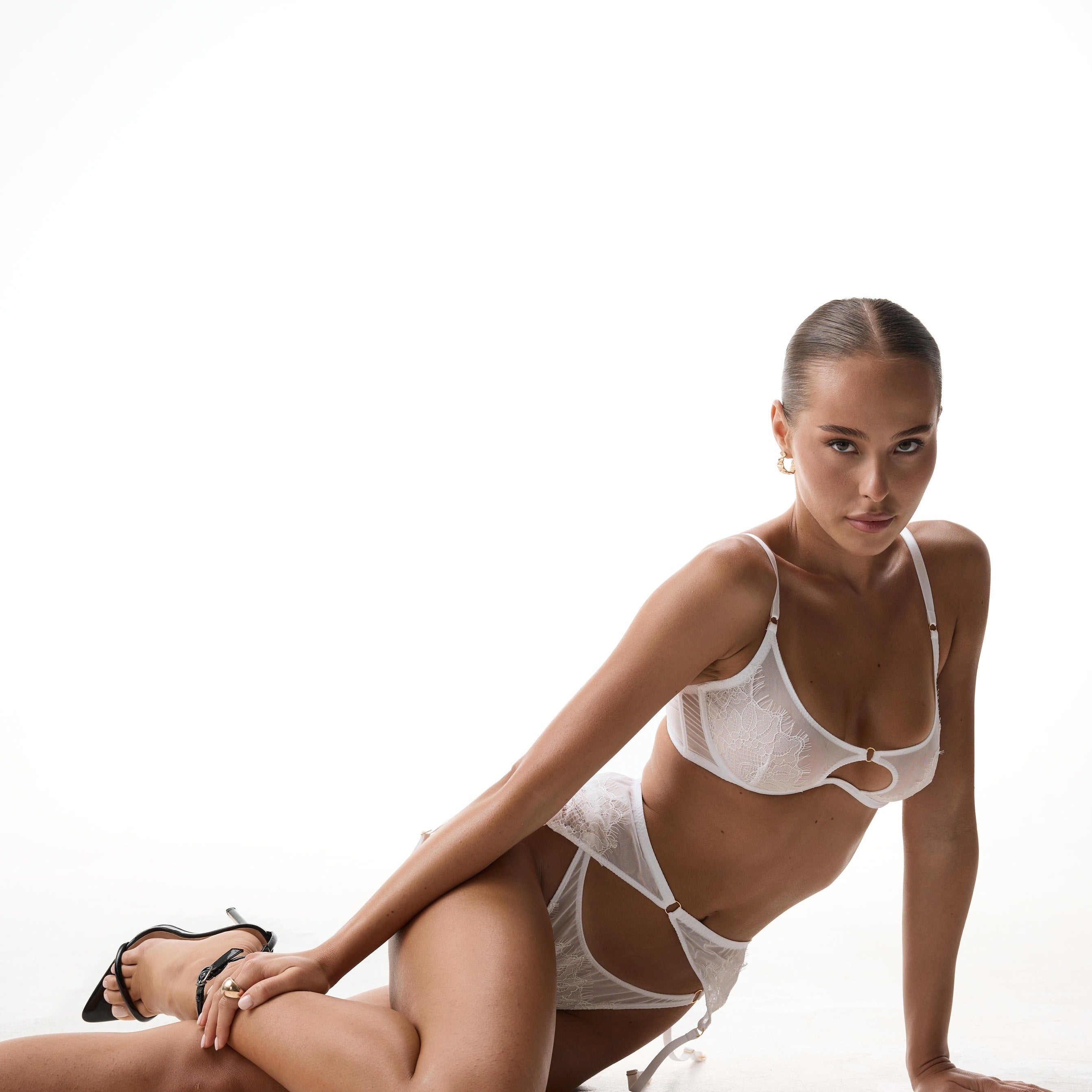
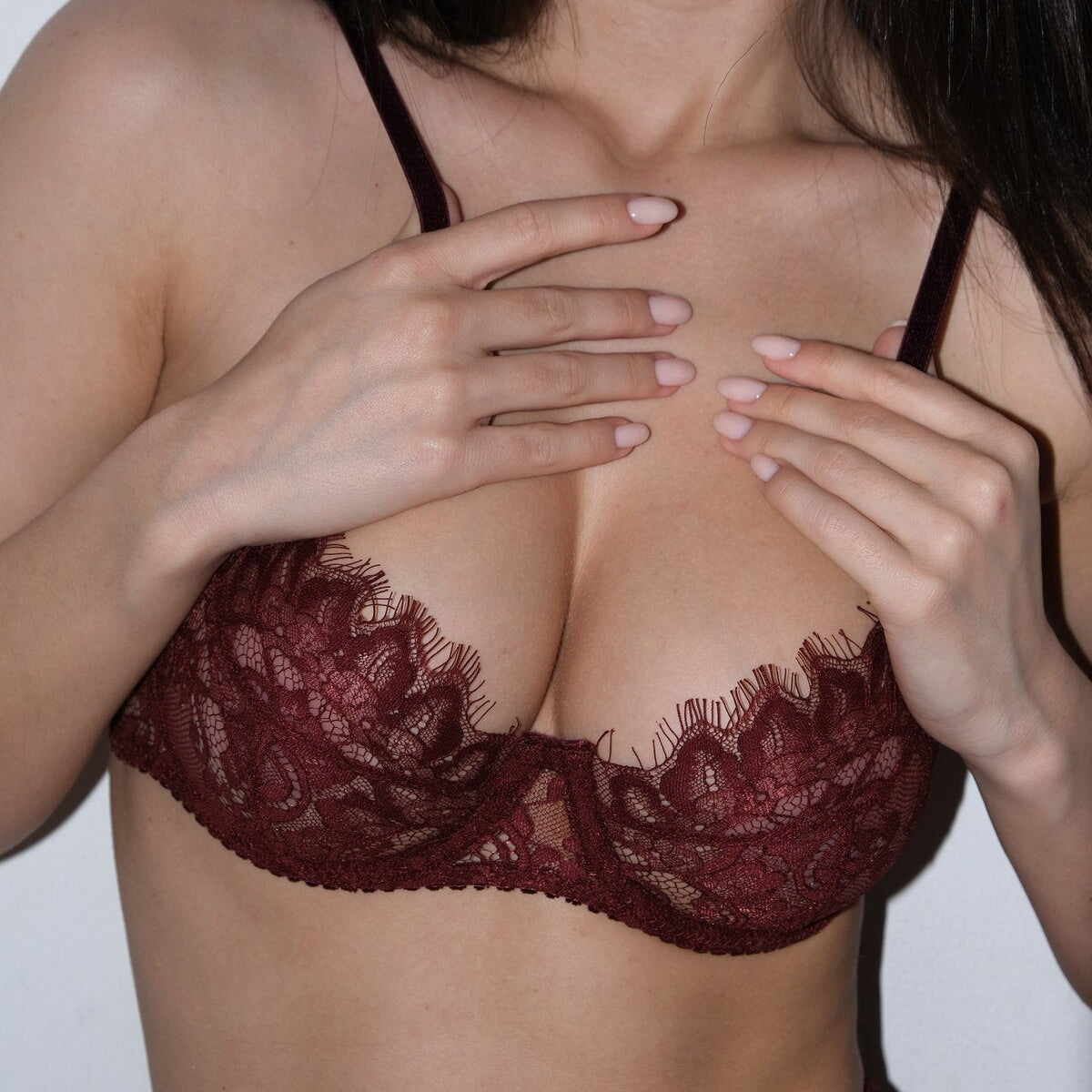
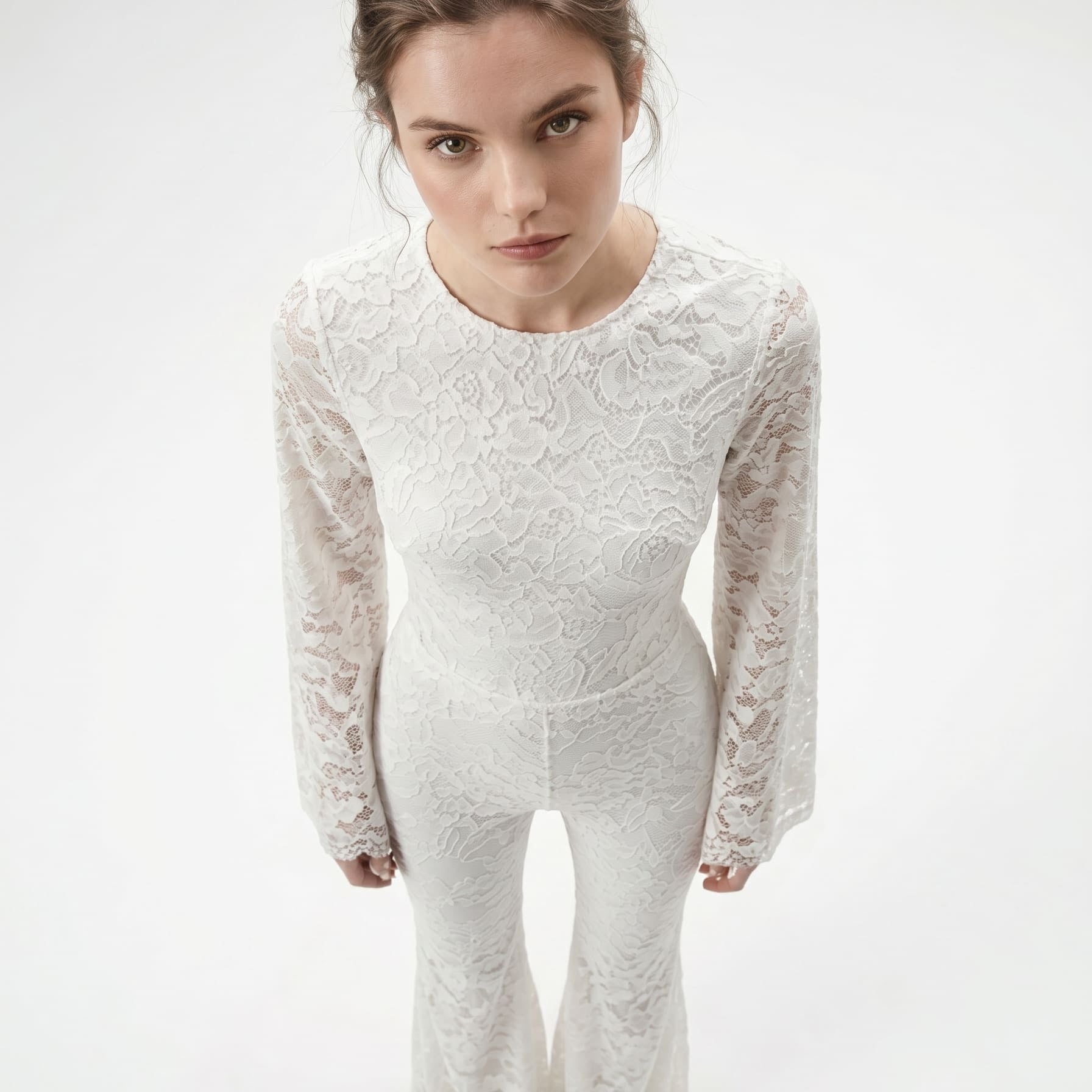
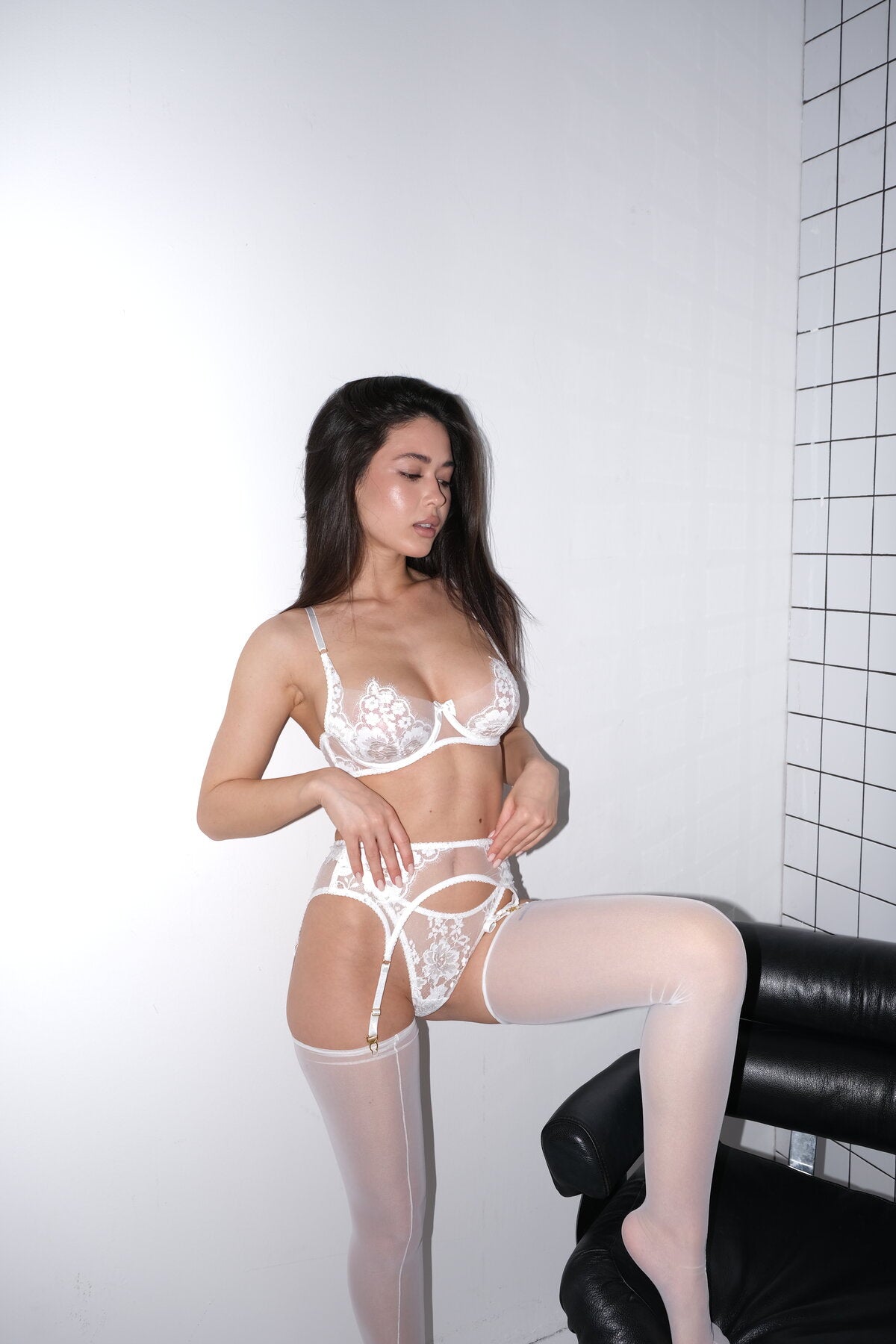
Ivory and soft champagne tones tend to sit more naturally against a wedding gown than stark white, which can look faintly grey next to fabric that was dyed and finished specifically to read as pure white on camera. This only matters for the under-dress set. For the wedding night, color is wide open: some brides stay in the same ivory family for continuity, others deliberately switch to black, red, or a saturated jewel tone as a clear signal that this piece belongs to a different part of the day. Both choices are common, and neither is more "bridal" than the other. The Bridal Lingerie collection leans toward the soft ivory and lace end of that range, for anyone who wants the under-dress and after-hours pieces to feel like they came from the same wardrobe.
Matching the set to your dress silhouette
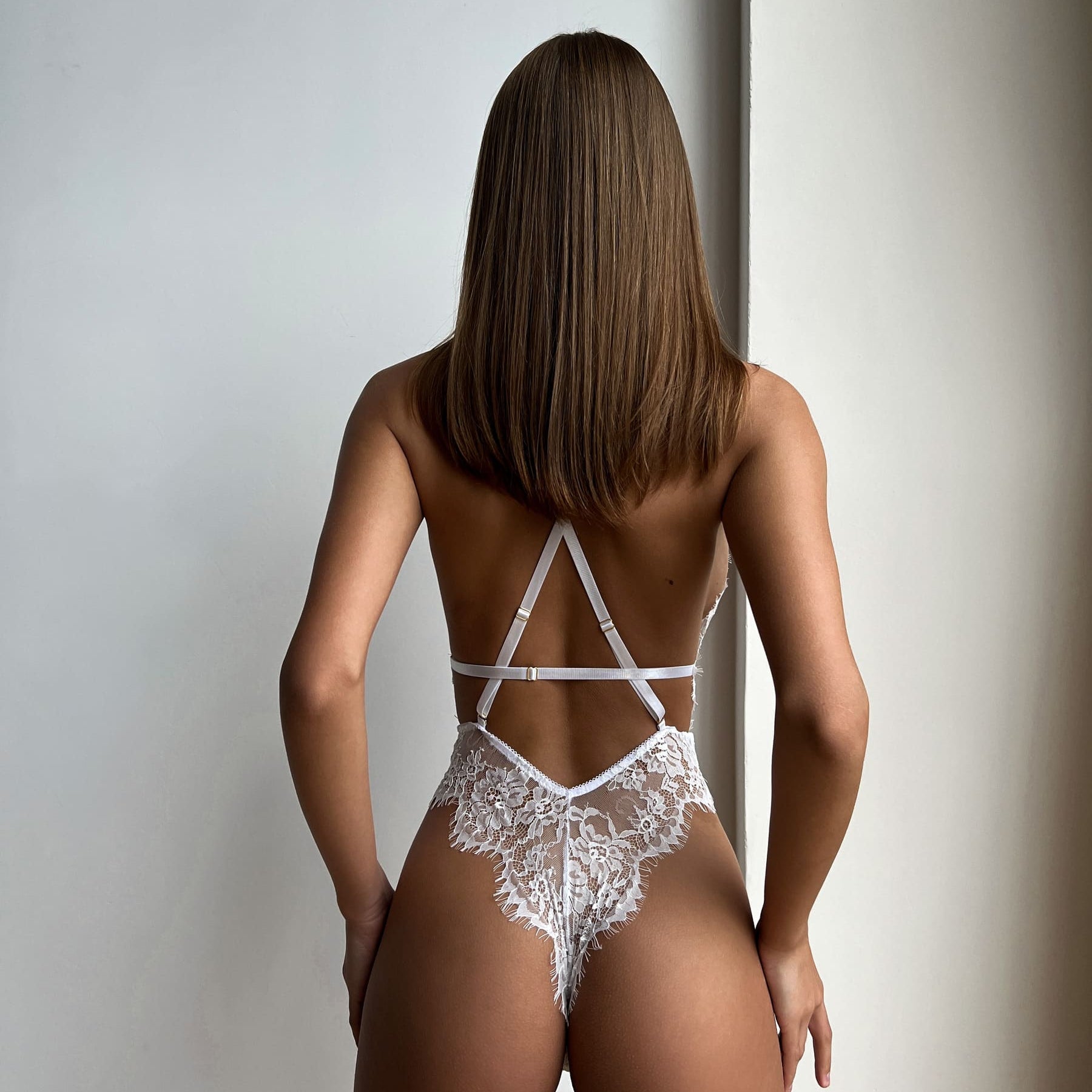
The dress makes some lingerie decisions before personal taste gets a vote. A backless gown rules out a standard band and strap configuration entirely, since any structured back closure will show through open fabric. A plunge or illusion neckline needs a bra with a lower center gore or no visible underwire line at all. A mermaid or fitted sheath silhouette needs everything underneath to sit flat, since the dress itself provides the shaping and any extra bulk will show in photographs from the side. For an open-back gown specifically, a halter-style suit built with an open back already solved, rather than adapted from a standard bra, tends to work better than trying to hide straps. The Lea De Paris collection, with its halter neck and open-back construction, was built around exactly that problem rather than around a compromise.

The case for a robe: getting ready and the morning after
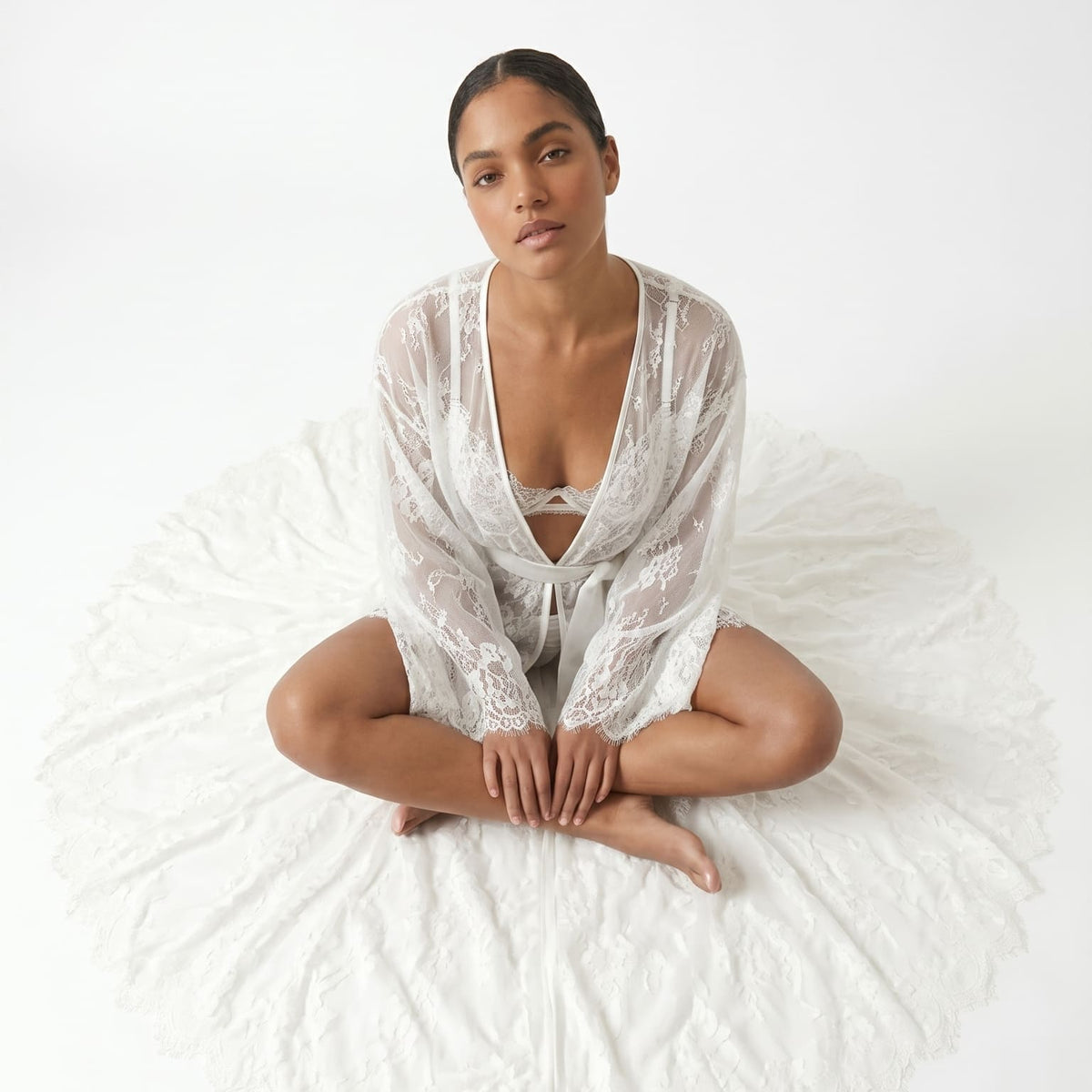
A robe does double duty on a wedding day that most lingerie planning skips entirely. In the morning, it is what gets worn through hair, makeup, and the first round of "getting ready" photographs, before the dress goes on and while nobody wants to be fully dressed in delicate lace for three hours. The next morning, it is the first thing reached for, long before either set from the night before makes sense again. A lightweight lace or satin robe that photographs well and travels easily covers both moments without needing a second, separate purchase. For anyone still working out logistics beyond the robe itself, timing, what to actually pack, and how the day and the trip afterward connect, what to actually pack for the wedding and honeymoon covers that ground in more detail.
Garters, stockings, and knowing when to stop adding pieces
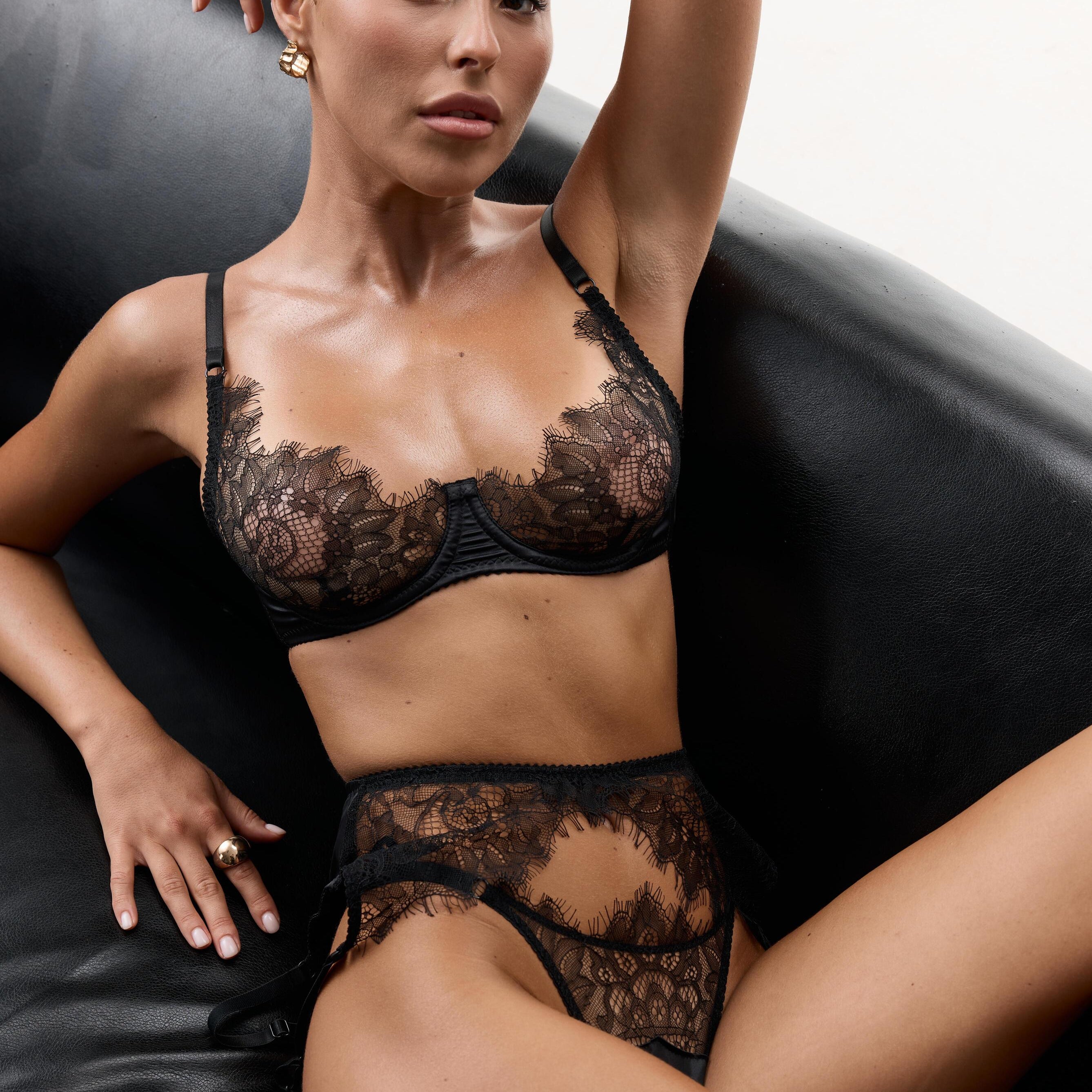
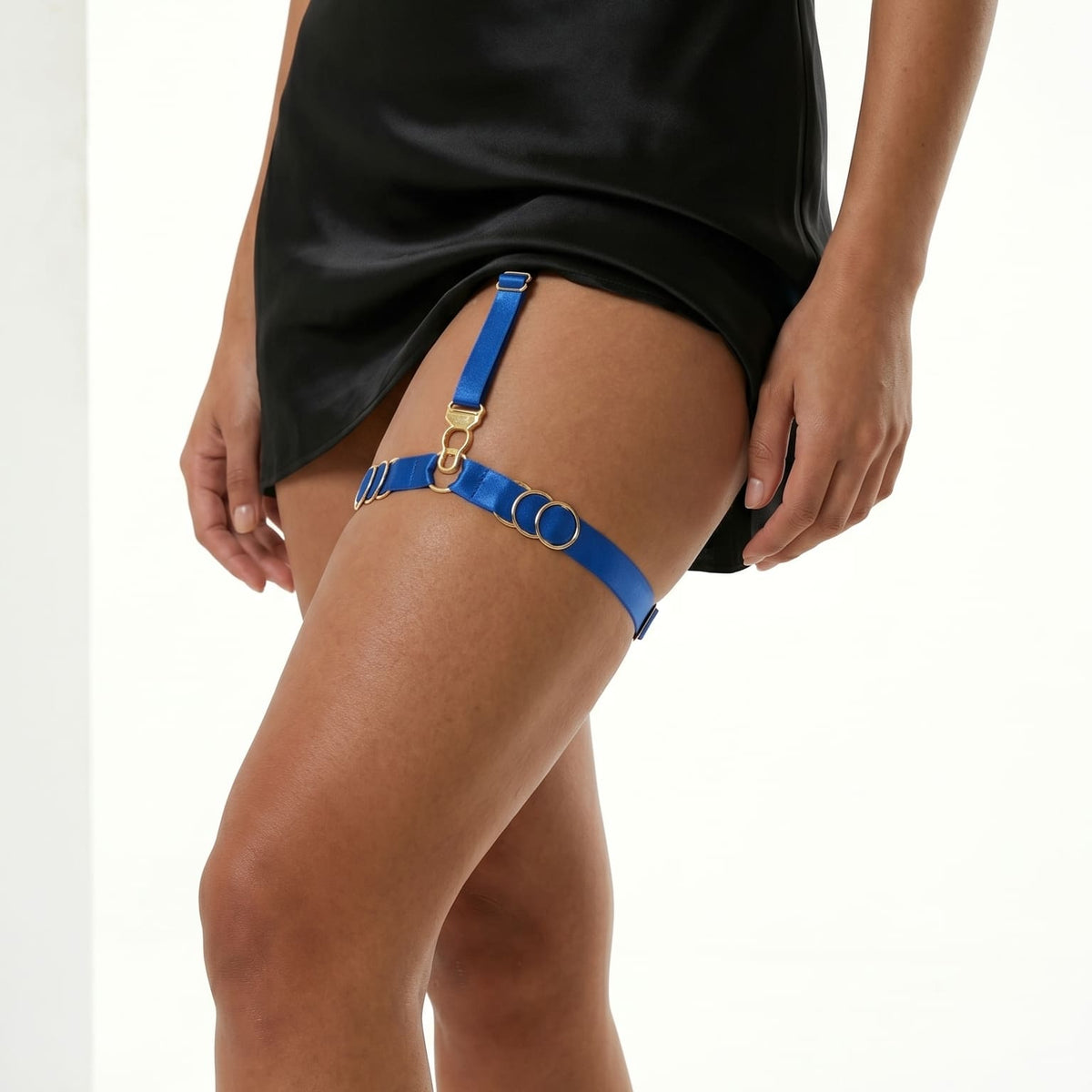
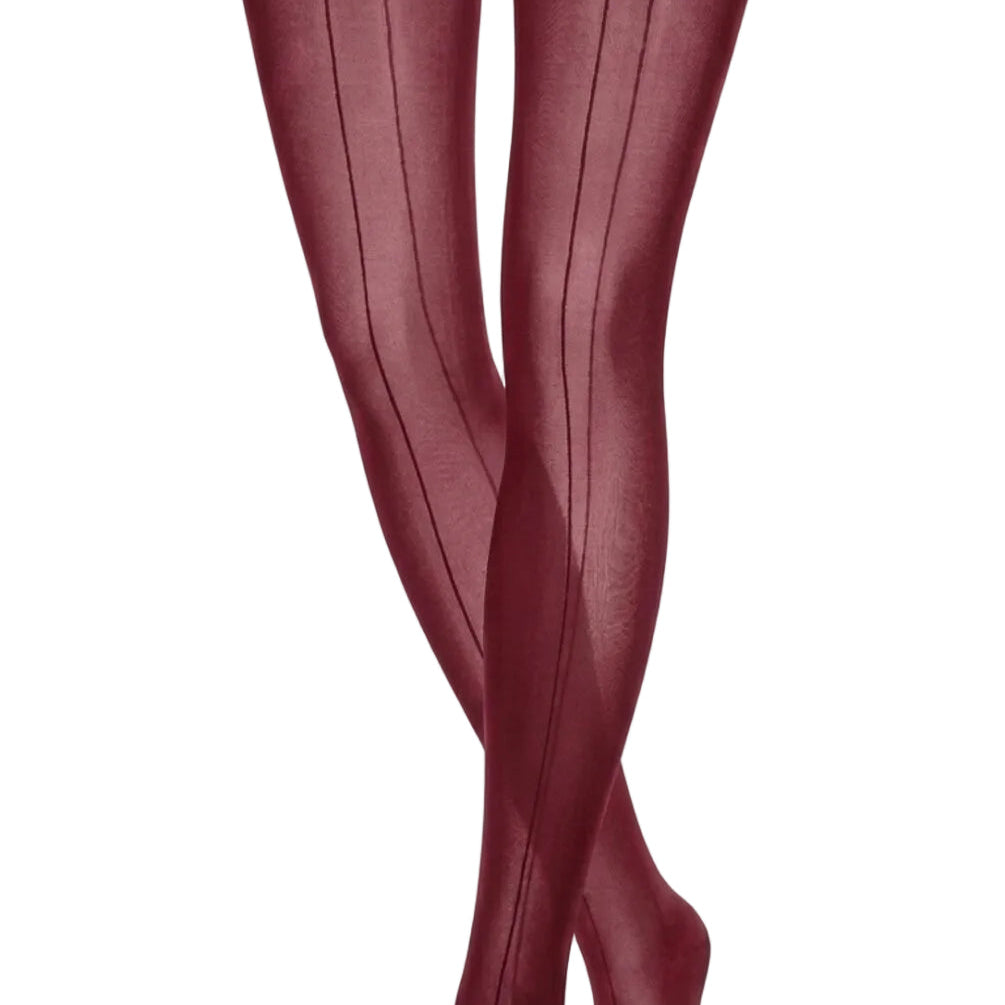
A garter is the one accessory that has survived almost every era of wedding tradition, partly because it still serves a real function under a long gown and partly because the garter toss remains a fixture at plenty of receptions even now. One garter, matched in tone to the under-dress set, is usually enough. Piling on additional accessories, a second garter, stockings, jewelry layered over lace, tends to compete with the dress rather than complement it. The Quartet collection keeps its leg garters simple and single-piece for exactly that reason: one clean accessory does more than three competing ones.
A second set for the wedding night itself
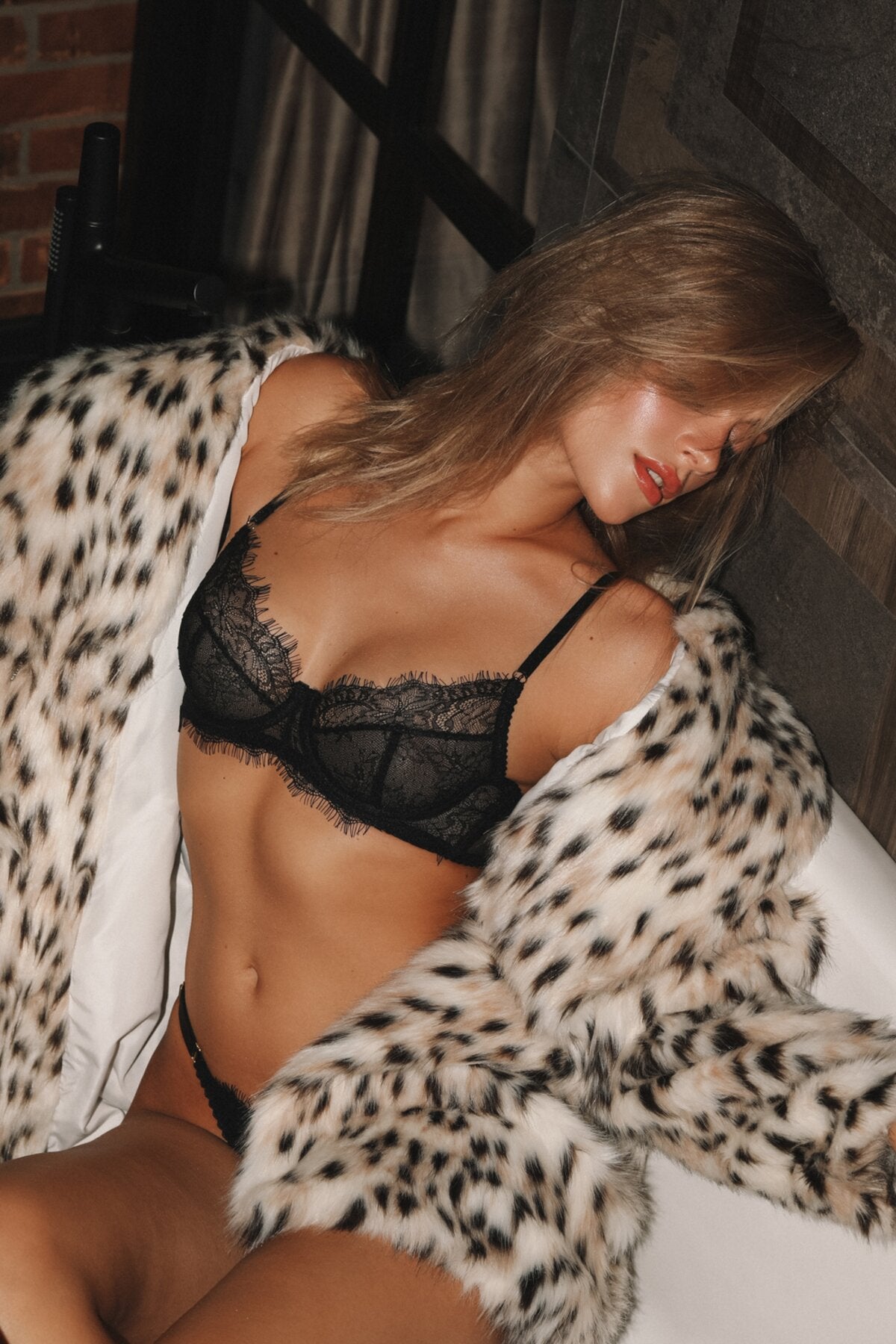
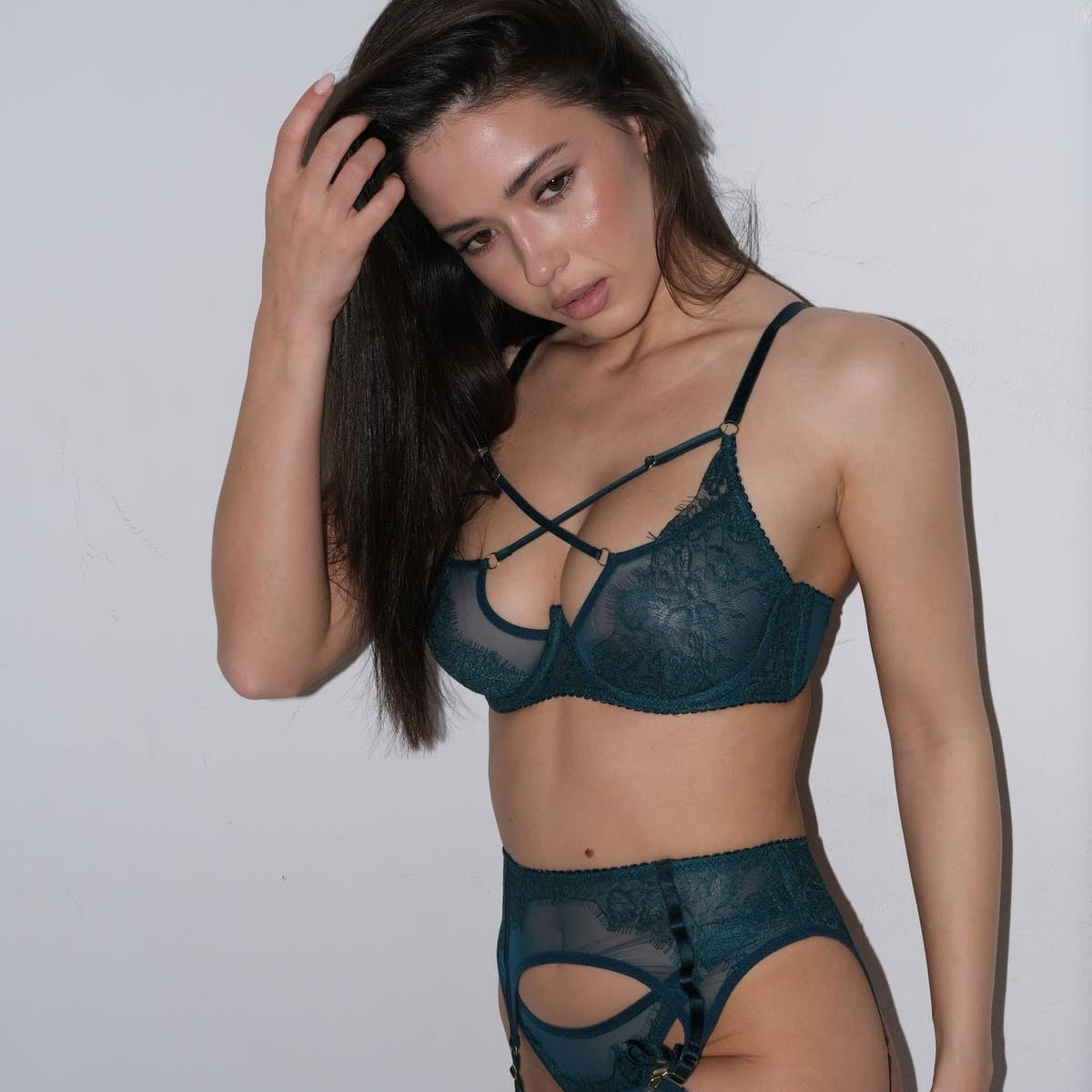
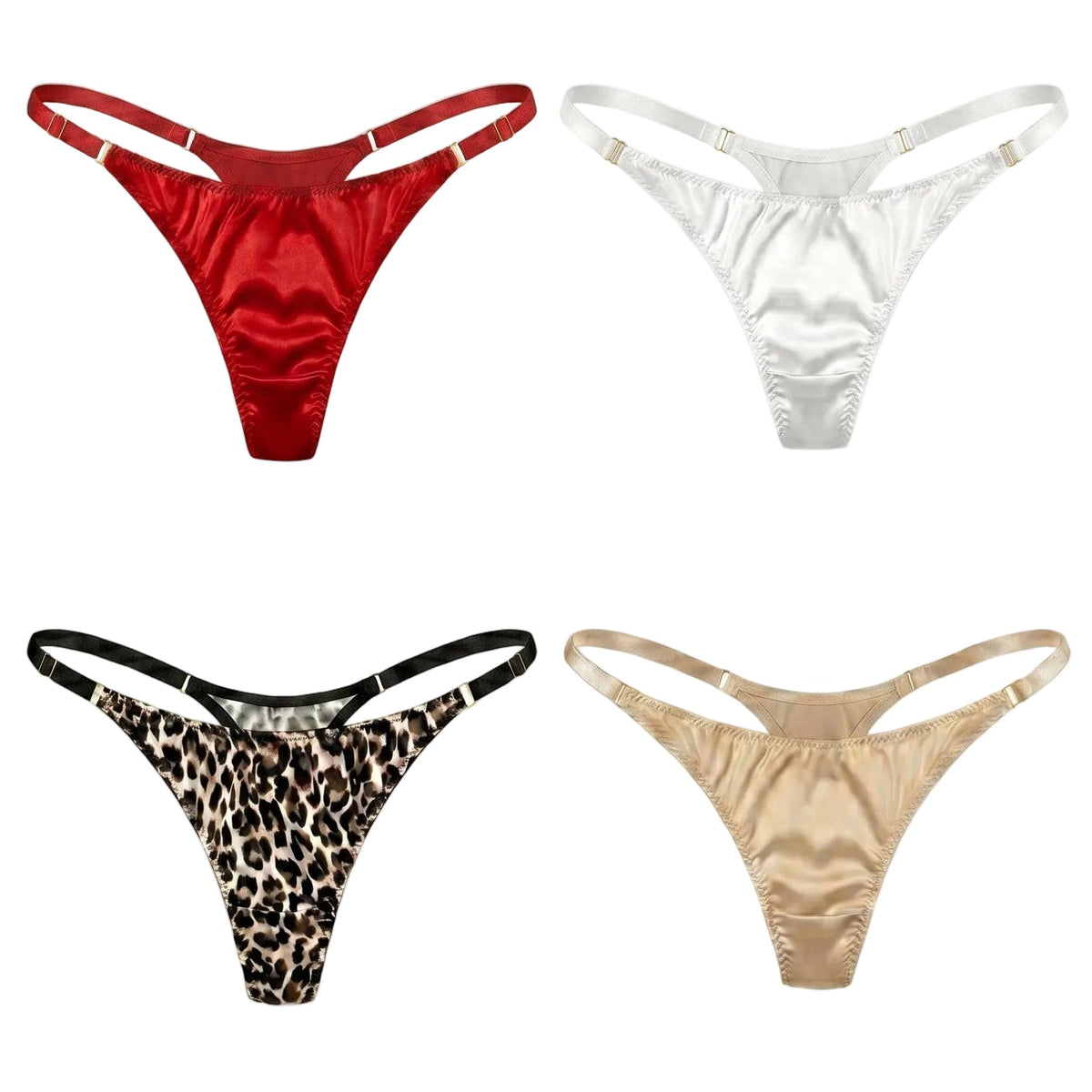
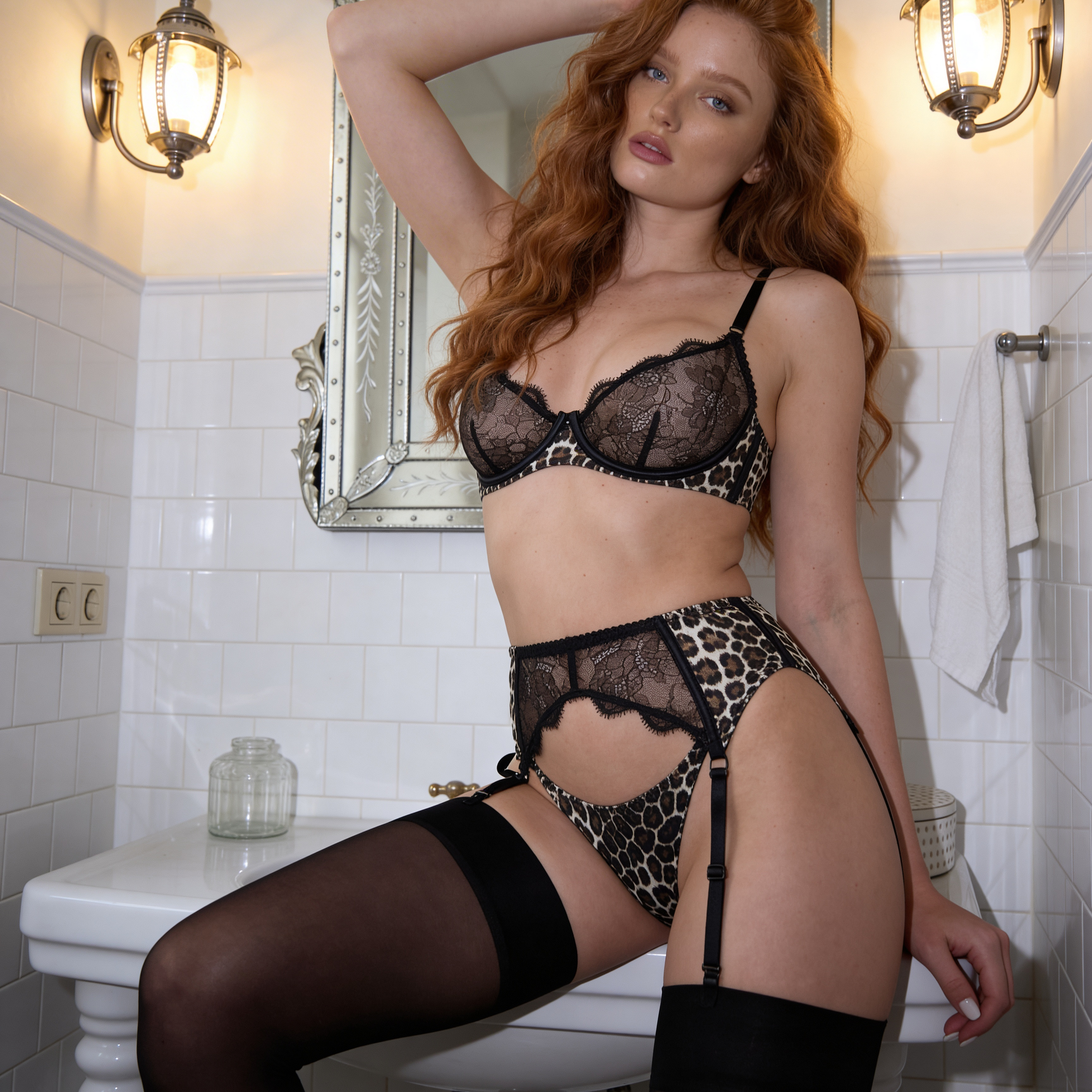
Once the ceremony and reception are behind you, the practical constraints that shaped the under-dress set disappear. This is where color, structure, and personal preference get to lead instead of the dress. A suit or bodysuit style works well here precisely because it reads as a complete, considered look rather than separate pieces, and it travels well if the wedding night and the start of a honeymoon happen in different places. The Sensual Edge collection is built in that direction, alongside the full range in bras and panties for anyone who prefers separates they can mix rather than a fixed set.

When to order: a realistic timeline before the wedding
Bridal lingerie deserves the same lead time as the dress, not the two-day rush that a lot of last-minute wedding planning defaults to. Made-to-order pieces typically need somewhere between three and seven working days to produce once measurements are confirmed, plus shipping time on top of that, so ordering four to six weeks out gives enough room for a size adjustment if your measurements shift closer to the date, which happens more often than most planning guides admit. Ordering everything, under-dress set, robe, and wedding-night set, in the same window also makes it easier to keep the palette and lace choices actually coordinated, rather than assembling three separate purchases made months apart with no plan in mind.
Keeping the set afterward
Some brides put the under-dress set away as a keepsake, unworn again, the same instinct that keeps a wedding dress boxed for decades. Others fold it back into regular rotation once the day is over, which is a perfectly reasonable choice given what a well-made set costs. If keeping it is the plan, store it the same way as any delicate lace piece: folded flat, away from direct light, not left balled up in a drawer where the underwire can bend out of shape.
Frequently asked questions
Do I need separate lingerie for the ceremony and the wedding night?
Not strictly, but most brides end up with two sets because the two moments ask for different things. Under-dress lingerie needs to disappear under the gown, while wedding-night lingerie is chosen to be seen and can be a completely different color or style.
What color of lingerie looks best under a wedding dress?
Ivory or soft champagne tends to blend more naturally with most wedding gown fabrics than stark white, which can look faintly grey next to fabric finished to read as pure white in photographs.
What should I wear under a backless or low-back wedding dress?
A halter-style suit with the open back already built in, rather than a standard bra worn low, avoids the visible strap and closure lines that a typical bra creates on an open-back gown.
How far in advance should I buy or order bridal lingerie?
Aim for four to six weeks before the wedding for made-to-order pieces. That leaves time for production, shipping, and a size adjustment if needed, without the pressure of a last-week purchase.
Is a robe actually necessary, or just a nice extra?
It earns its place twice: once during getting-ready photos in the morning, and again the next day, before anyone feels like getting fully dressed. Most brides who skip it end up borrowing one anyway.
About Lioness Studio
Lioness Studio is the collective voice behind the Lioness Lingerie journal, written by the people who cut, fit, and finish every made-to-order piece. Every set discussed here is built from a customer's own measurements rather than a fixed size chart, which is also how the atelier prefers to work.