

Last updated: August 11, 2026
A survey published this week puts a number on something a lot of online shoppers already suspect: they often cannot tell whether the product photo in front of them is real. Caimera surveyed 502 US consumers on how they feel about AI-generated product imagery. The interesting finding is not that people reject the technology outright, but that most of them cannot detect it, and that inability is exactly why they want it labeled, according to the report covered by FashionNetwork.

What the survey found
Nearly 85% of respondents could not reliably tell an AI-generated product image from a genuine photograph. Only 14.6% managed it consistently, and just 0.4% scored a perfect result across the test. Once people realize they cannot judge for themselves, they ask for the decision to be made for them instead: about 75% of the panel think synthetic images should be labeled, and 74.7% think that labeling should be mandatory rather than optional.
Overall openness to AI-generated imagery sits at 70% among US shoppers, with 54% calling it acceptable in some marketing contexts. That number falls the closer a product sits to the body. Furniture and home décor draw 65% neutral or positive reactions, electronics 60%. Clothing splits the panel: 57% tolerate AI in flat-lay shots, 51% when a garment appears on a virtual model. Beauty and skincare score lowest, at 35%. The report draws a fairly clean line between setting and substance: AI is tolerated for background or lighting, and rejected the moment it changes the garment itself, the texture of skin, or the result an image is promising the buyer.
The trust gap between disclosure and silence is wide. Shown two brands using the same technology, 79% of shoppers say they would trust the one that discloses it, against 4% for the one that does not. On product pages specifically, a hybrid approach, real photography alongside clearly labeled synthetic images, is now the format shoppers prefer, at 47%, ahead of an all-real approach at 37%. One respondent in the study, a US consumer aged 35 to 44, put it plainly: "I just want an accurate representation of the product they're selling... the consumer should always be able to see the real thing as well."

None of this is happening in isolation. Since August 2, large volumes of AI-generated content published in the European Union must carry a label under the EU's AI Act transparency rules, using icons such as "AI," "generated by AI," or "modified by AI," with fines for noncompliance once the grace period for systems already in use ends on December 2. Amazon has separately started requiring third-party sellers to flag listing photos that are wholly or partly AI-generated, following New York State's rule that commercial images disclose whether a model shown is a real person.
Why the gap matters more in made-to-order
For a brand selling ready stock off a rack, an AI-smoothed product photo is a marketing decision with a reputational downside if it gets caught. For a made-to-order house, the same photo is closer to a promise about what will actually arrive. Every Lioness piece is cut to the measurements a customer sends at checkout: bust, underbust, waist, hips, taken over a well-fitted, unpadded bra. There is no showroom sample to try before ordering, and our own policy treats the finished piece as final; bespoke work is not returnable. If the construction shown in a photo does not match what leaves the atelier, that gap becomes the exact thing the customer paid for.
That also explains why authenticity ranks above misrepresentation as a concern in the survey: 34% of respondents named it their biggest worry, compared with 21% who cited being misled outright. Misrepresentation means being told something false about a product. Authenticity means being unable to tell what is real in the first place, a harder doubt to undo once it starts.

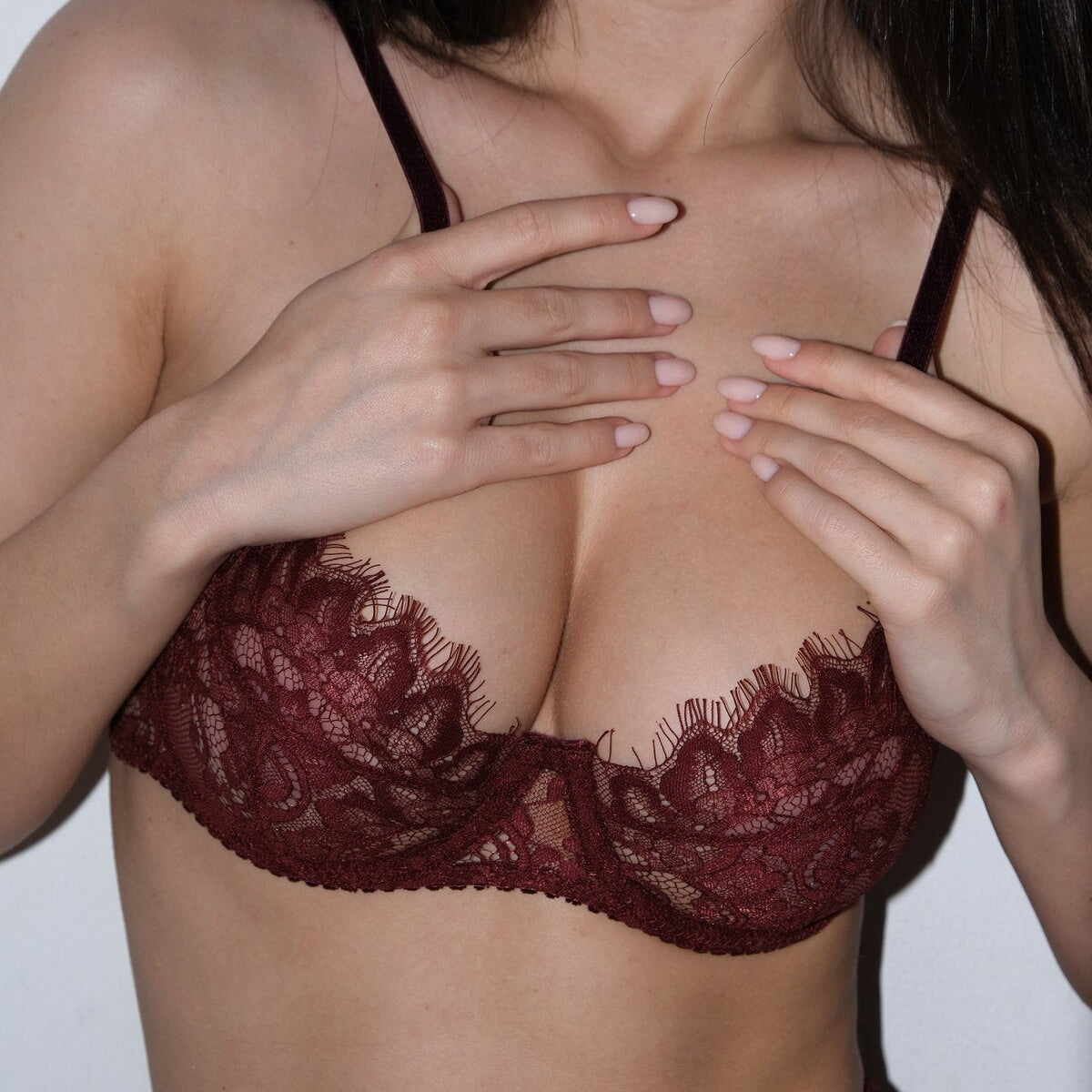
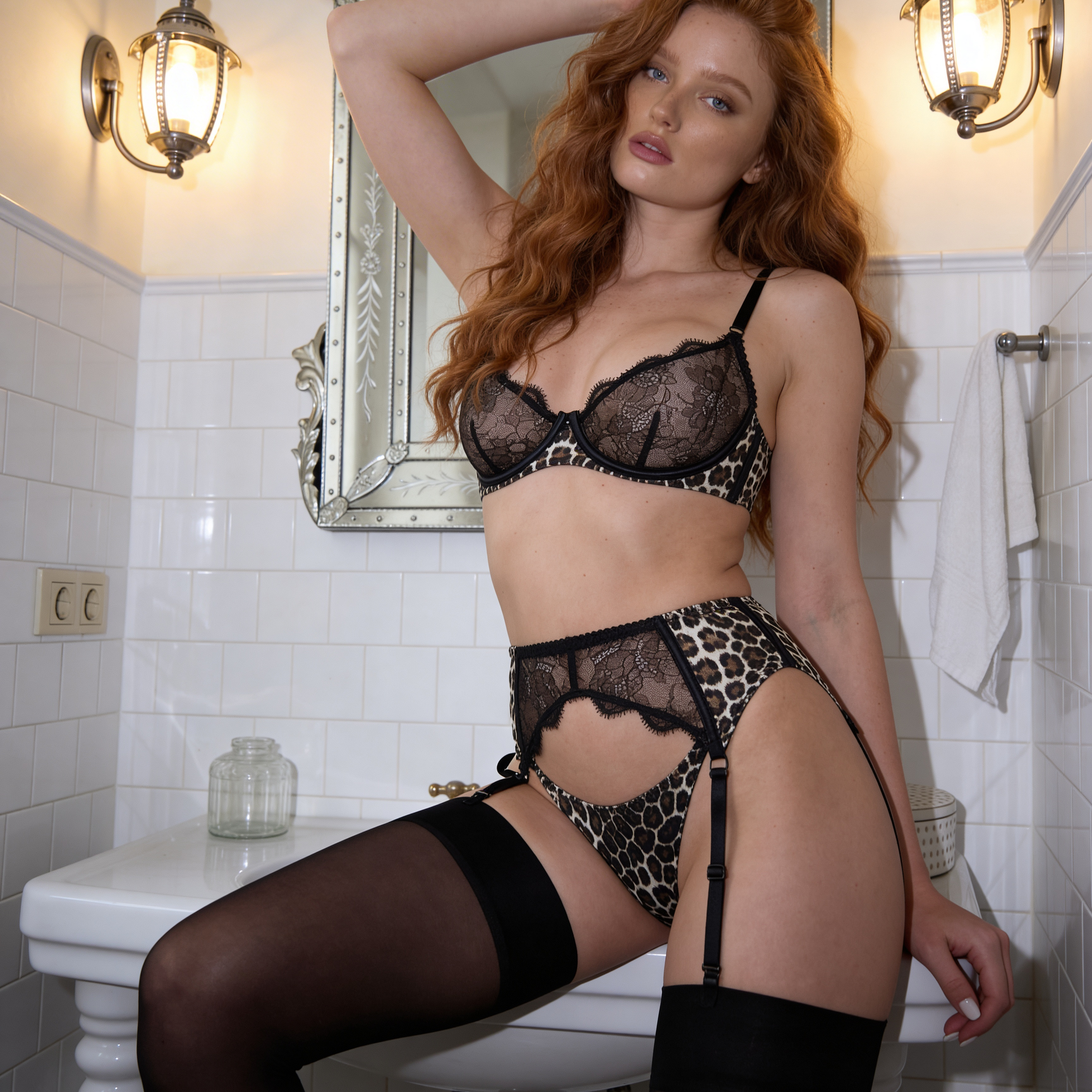
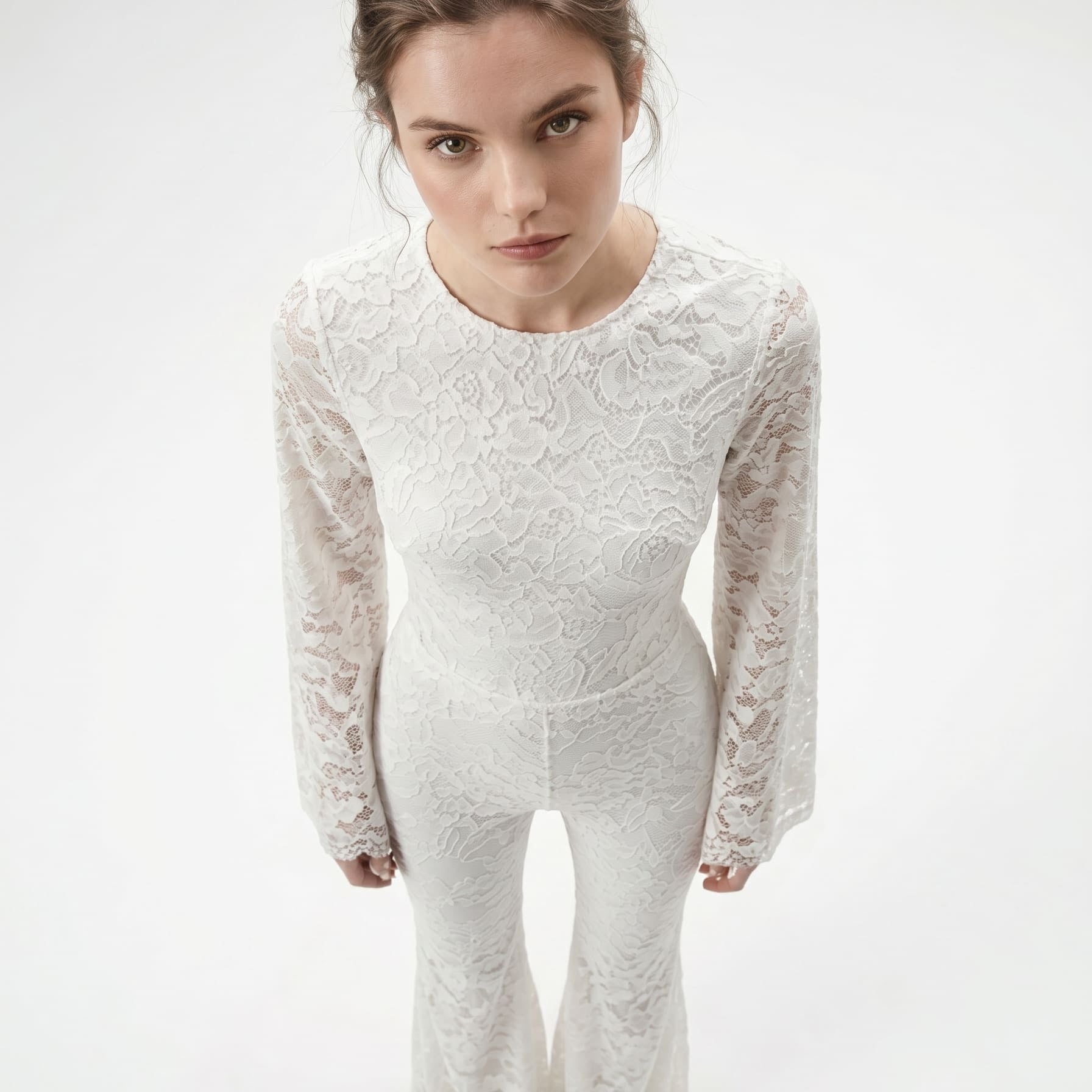
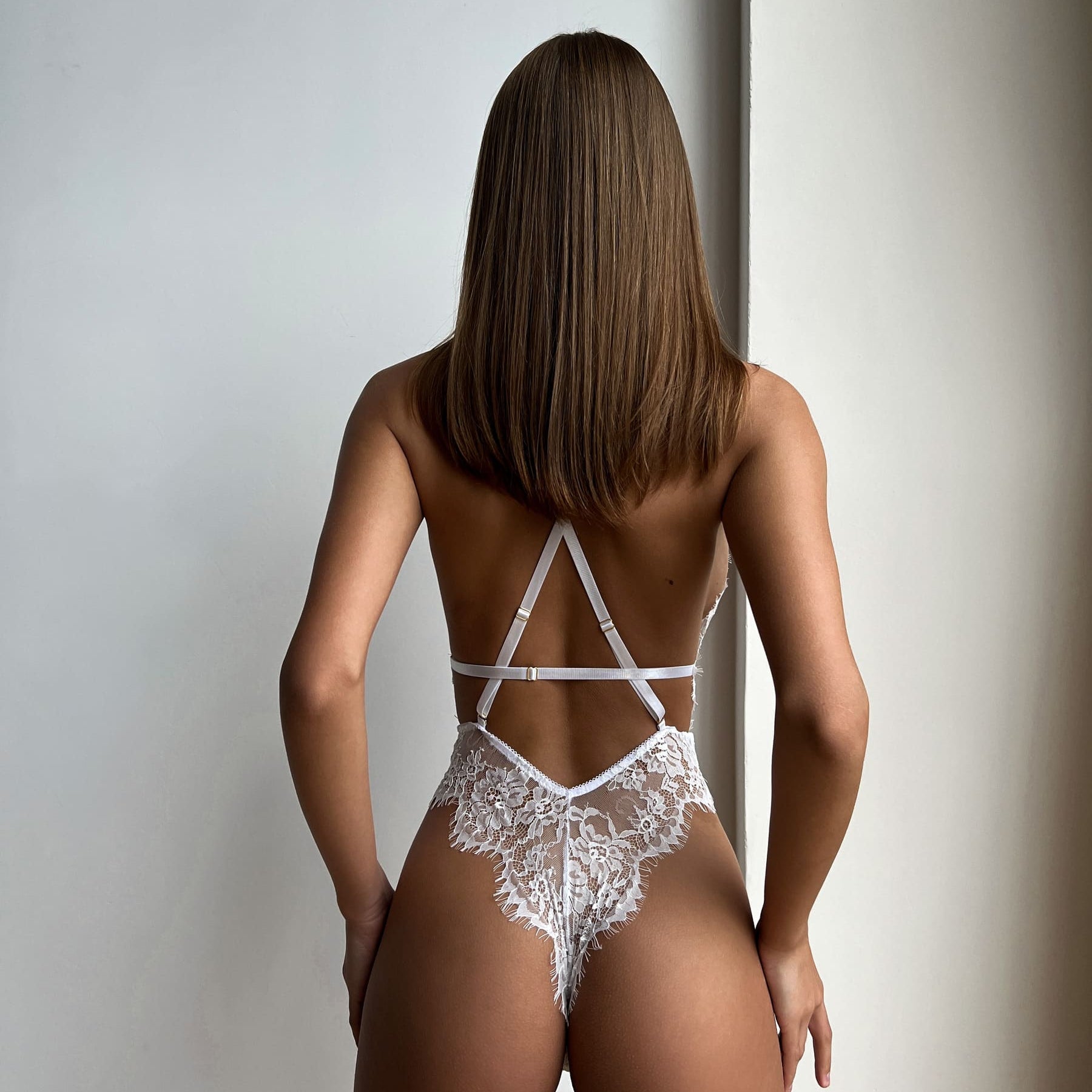
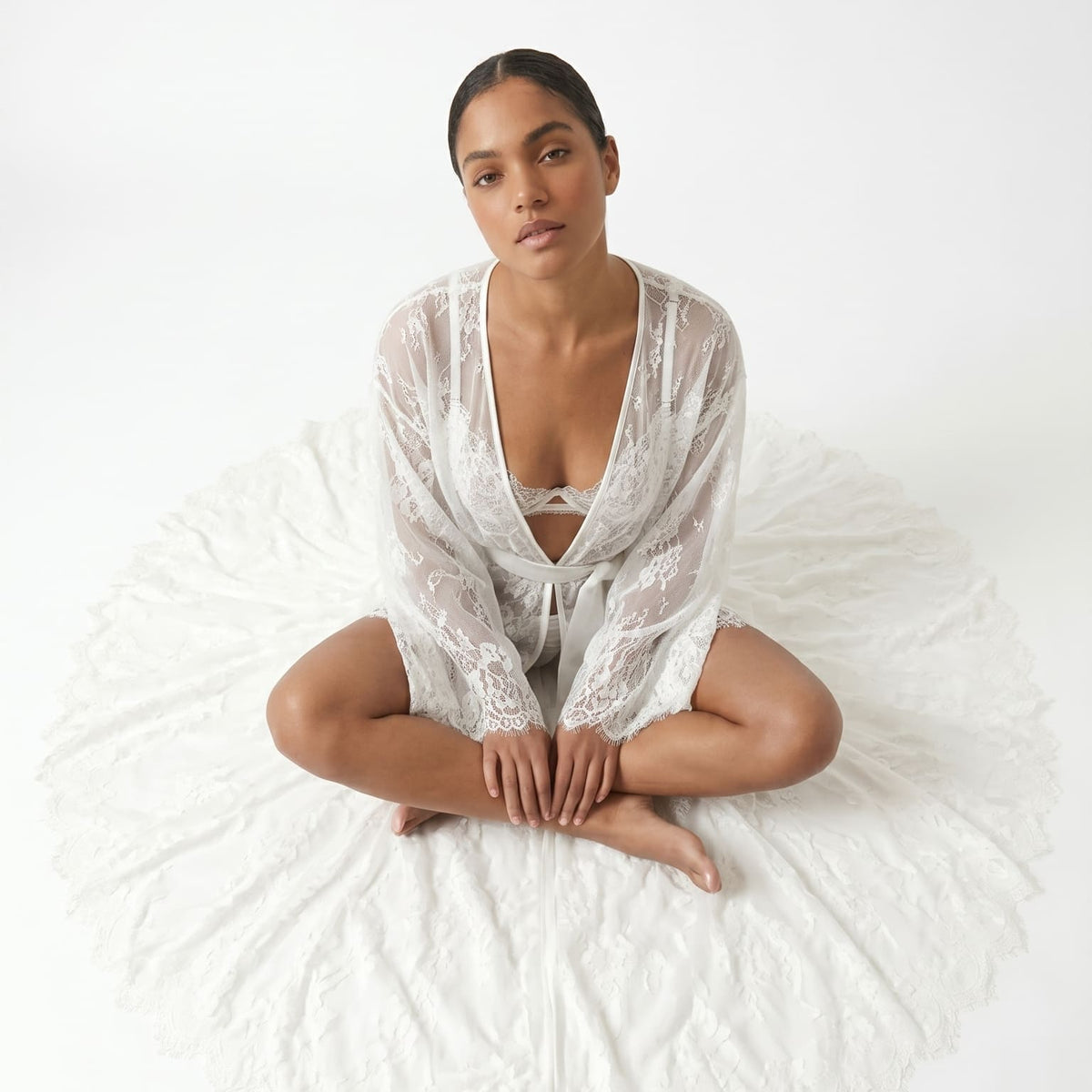
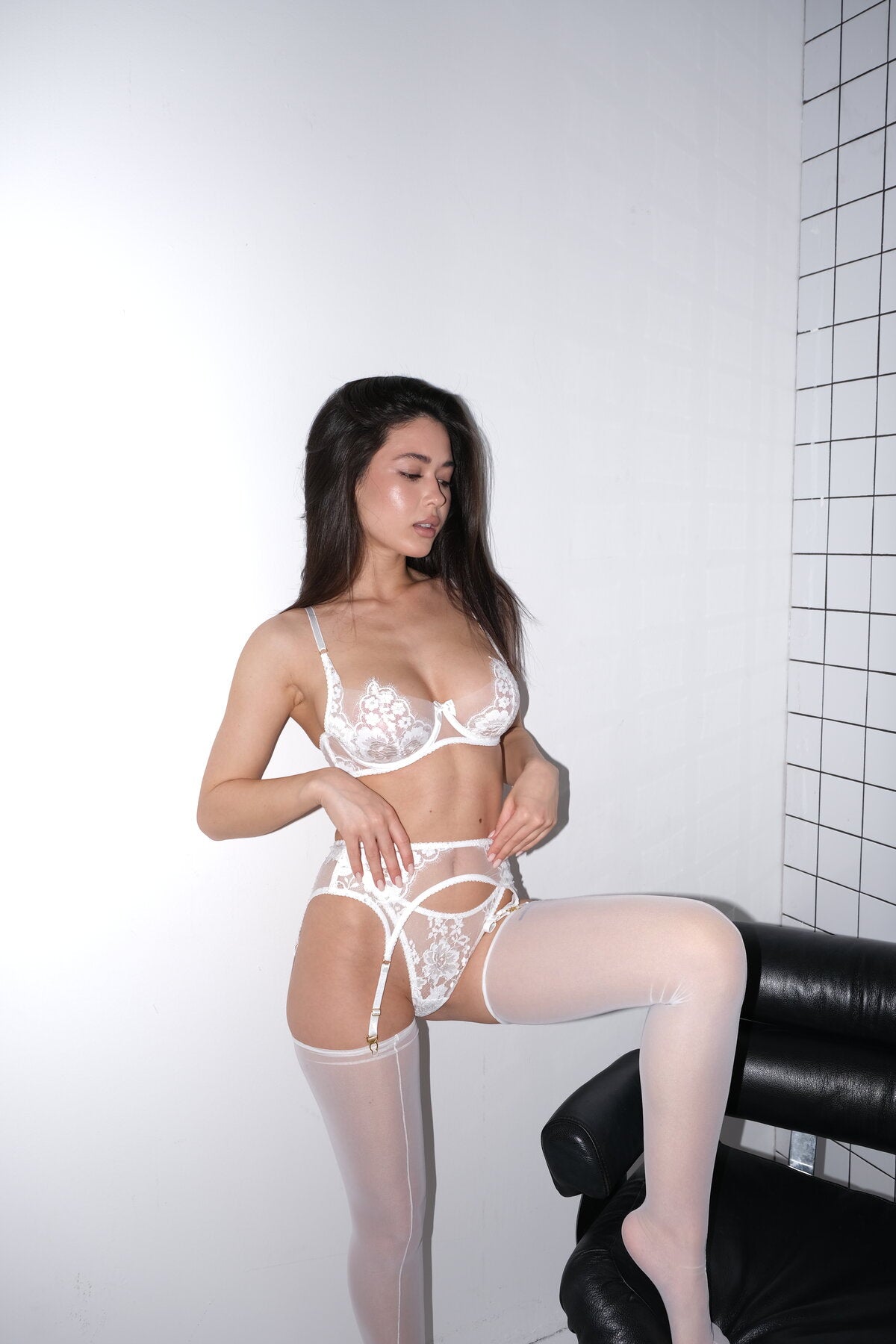
This was already how Lioness worked before the survey came out. Every photograph on lioneslingerie.com shows an actual finished garment, not a render or a retouched silhouette. Someone measuring their own waist and hips for a made-to-order piece should see, in the photo, the same lace and the same strap construction they are about to commit those measurements to. The same logic sits behind the structural, architectural lines built into pieces like the Odri collection: what a customer sees is what gets made.
Atelier Notes is where the Lioness team writes about the wider fashion and lingerie industry: runway moments, craftsmanship stories, and the ideas moving through fashion that connect back to how we build our own pieces. Separate voice from the Lioness Studio guides, same team behind it.