

Last updated: September 30, 2026
Luxury lingerie gets sold on price, packaging and a French-sounding name, and none of those three things tells you whether a bra will still hold its shape in two years. We make lingerie to order in a small studio, so we spend most of our days on the parts of a garment nobody photographs: the seam allowance, the elastic, the way lace is cut around a motif instead of straight through it. Here is what separates a luxury piece from an expensive one, and how to check for yourself before you buy.
Key takeaways
- Luxury in lingerie is mostly about materials, construction and fit. Price follows from those, but a high price alone proves nothing.
- Woven lace, dense mesh and good elastic can be recognised by touch and by looking at the inside of the garment.
- Finishing is where cheap and expensive pieces differ most: clean seams, placed lace motifs, covered hardware.
- A piece made to your measurements will usually outperform a pricier piece that fits you badly.
- Ask the maker direct questions about lace origin, production and alterations. A good brand answers them plainly.
What does "luxury" actually mean in lingerie?
In lingerie, luxury means a garment built from better materials, finished with more hand work and cut to fit a real body closely. That is the whole definition. Everything else, the ribbon on the box, the campaign photography, the boutique on a famous street, is marketing wrapped around it.
The word has no legal meaning, so anyone can use it. A mass-produced set with a designer label can call itself luxury, and so can a small atelier that sews every piece by hand. The useful question is not "is this brand luxury?" but "what did the money pay for?" If you can point to the lace, the construction and the fit, the price makes sense. If you can only point to the logo, it probably doesn't.
Materials: what your fingers can tell you
Good materials are the easiest thing to check, because you can feel most of them. Luxury lace is usually woven rather than knitted or printed, mesh is dense and springs back when stretched, and elastic recovers its length instead of staying slightly loose.
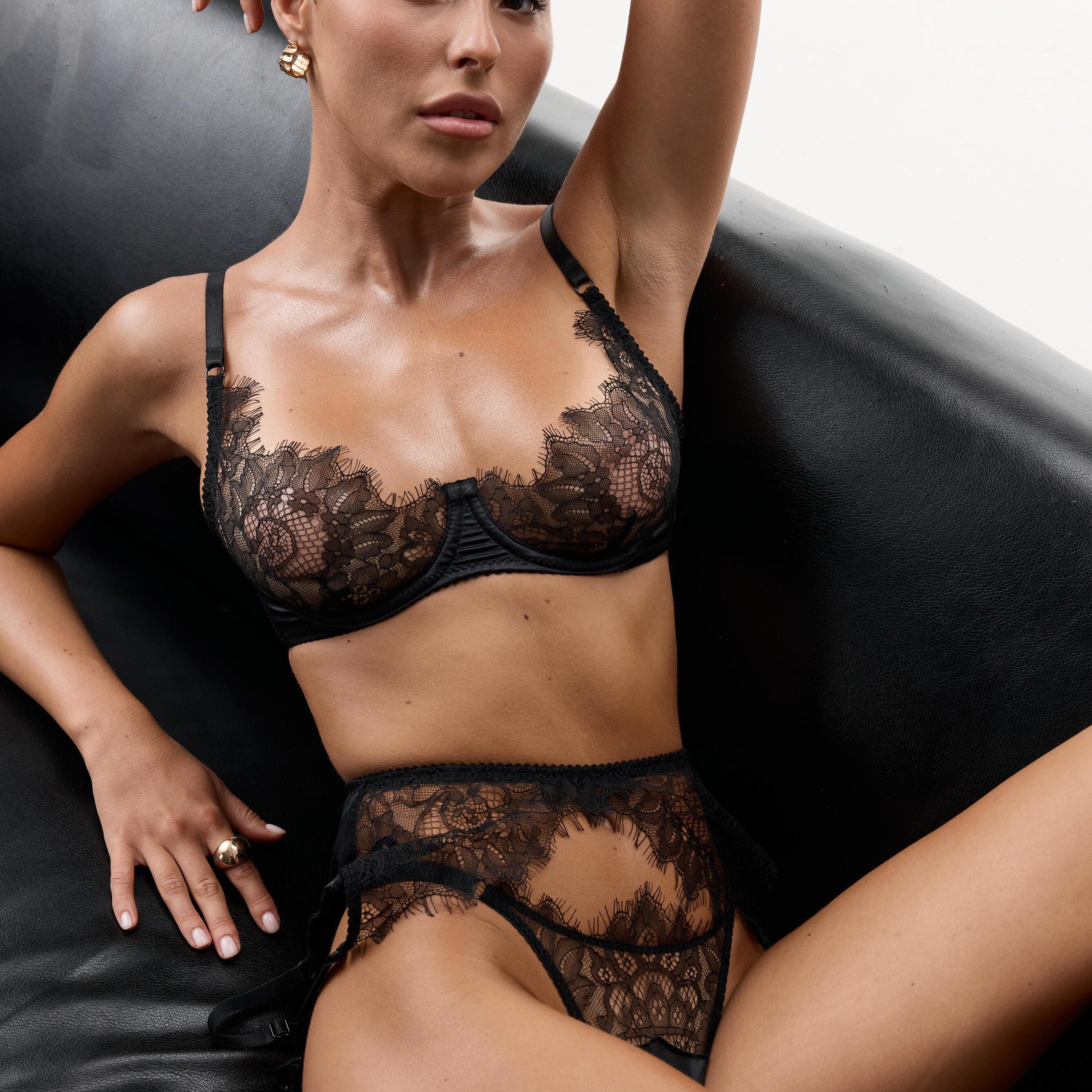
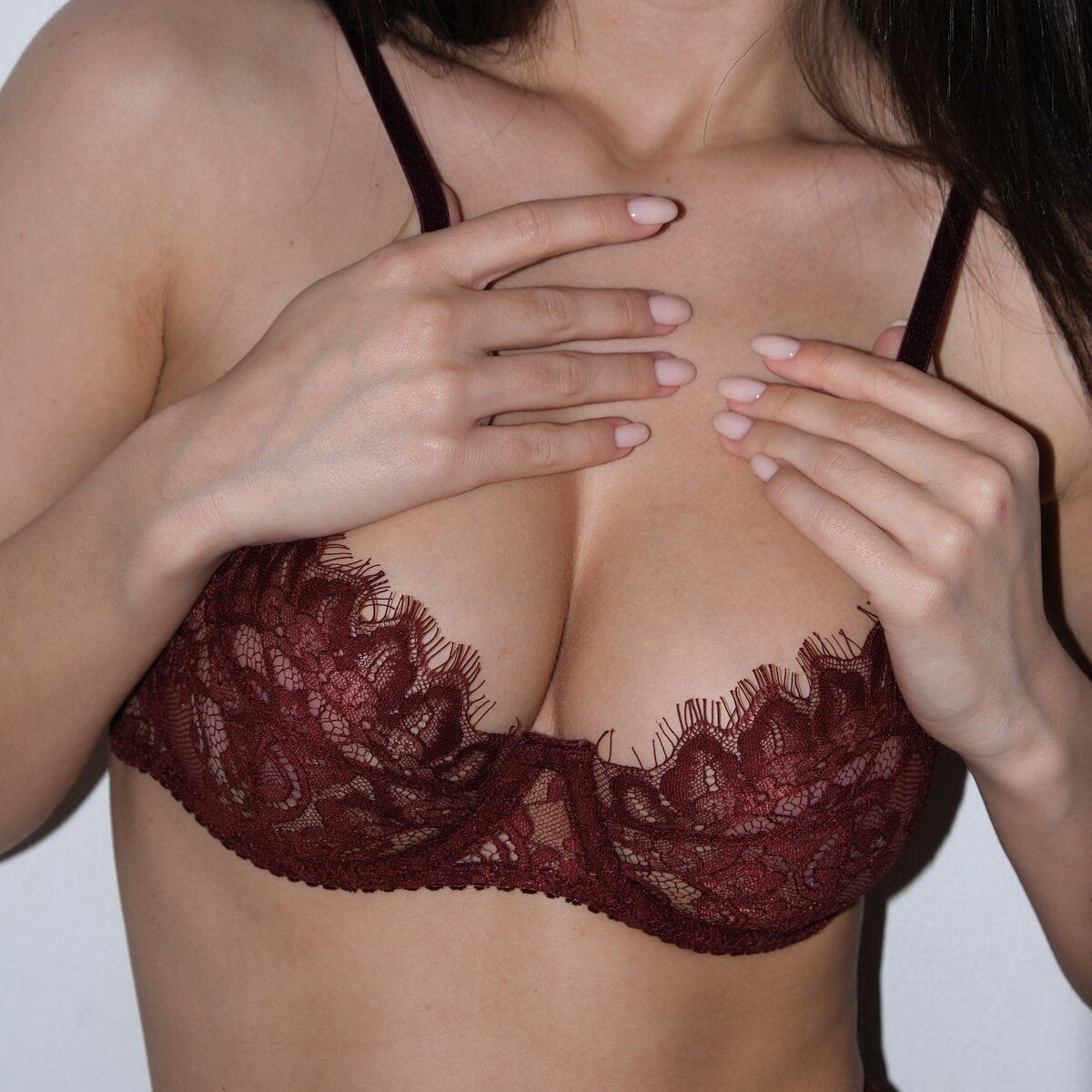
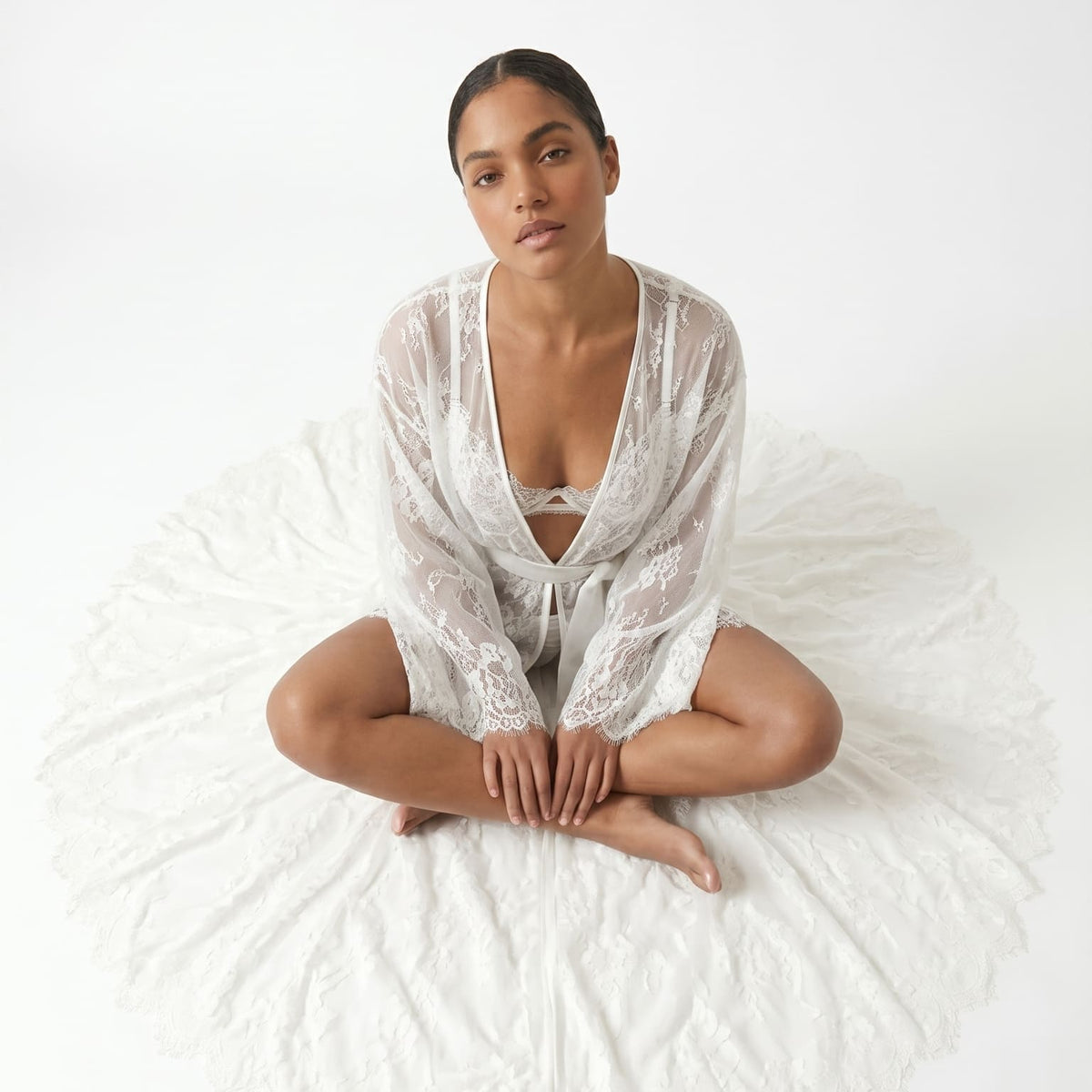
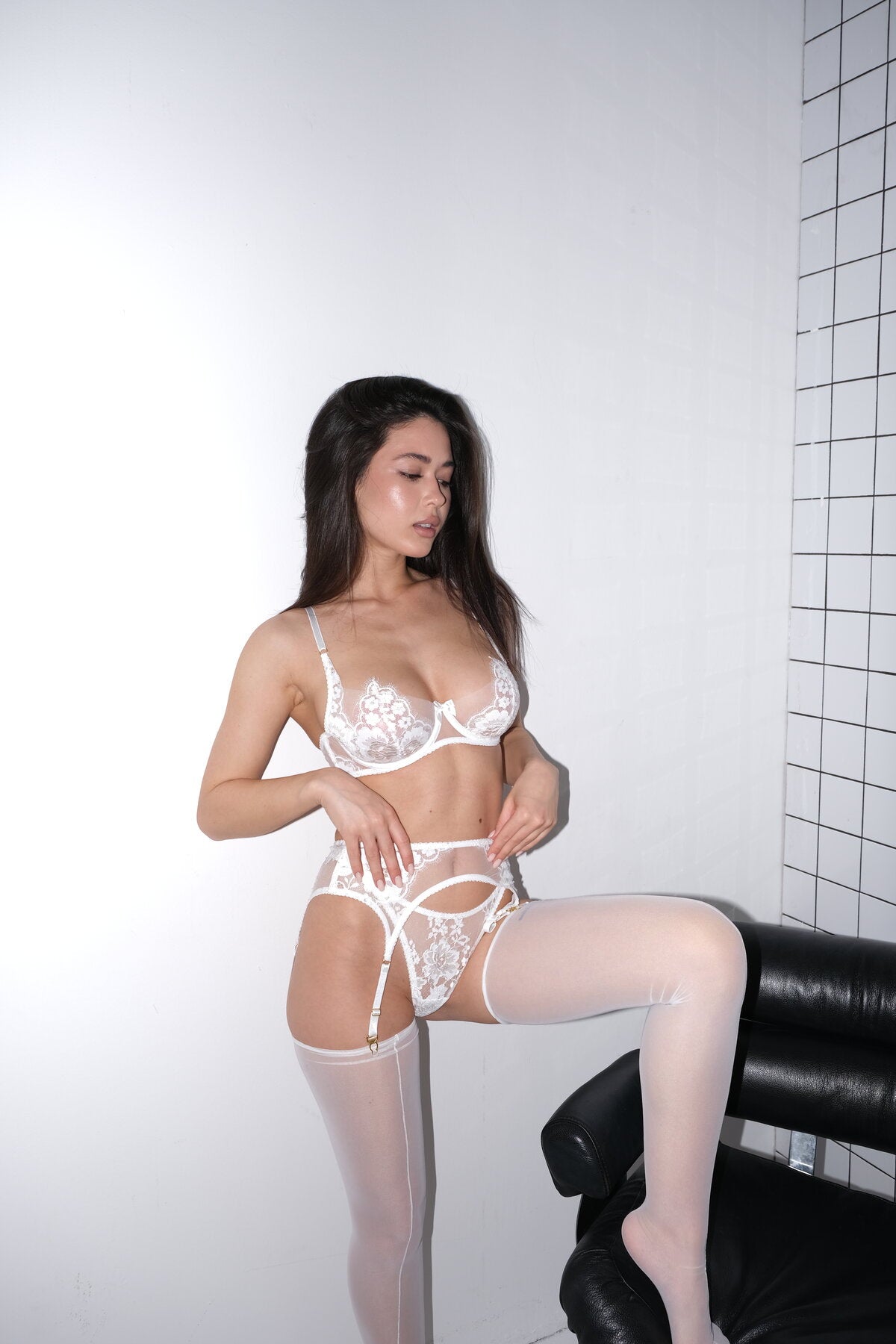
Woven lace has depth. The motifs sit on a fine net background, and you can often see a raised cord outlining the flowers or leaves. Cheaper knitted lace looks flatter and the pattern repeats more mechanically. Printed "lace" is just a picture on stretch fabric, which becomes obvious as soon as you turn it over. We wrote more about this in our guide to what makes a bra look and feel designer.
The most famous benchmark for lace is French, and it comes with a paper trail. The Dentelle de Calais-Caudry label, created in 1958 as Dentelle de Calais and renamed in 2015, is owned by the French Federation of Lace and Embroidery. It may only be used for lace woven on Leavers looms in Calais or Caudry, each swing ticket carries its own serial number, and France holds about 80% of the world's Leavers looms.
That label exists because knitted imitations appeared in the 1950s and buyers could no longer tell the difference by name alone. Most luxury lingerie does not use certified Calais lace, and it does not have to. But it shows what a real quality claim looks like: specific, traceable and checkable. When a product page says "premium lace" and nothing else, it is fair to ask where the lace comes from.
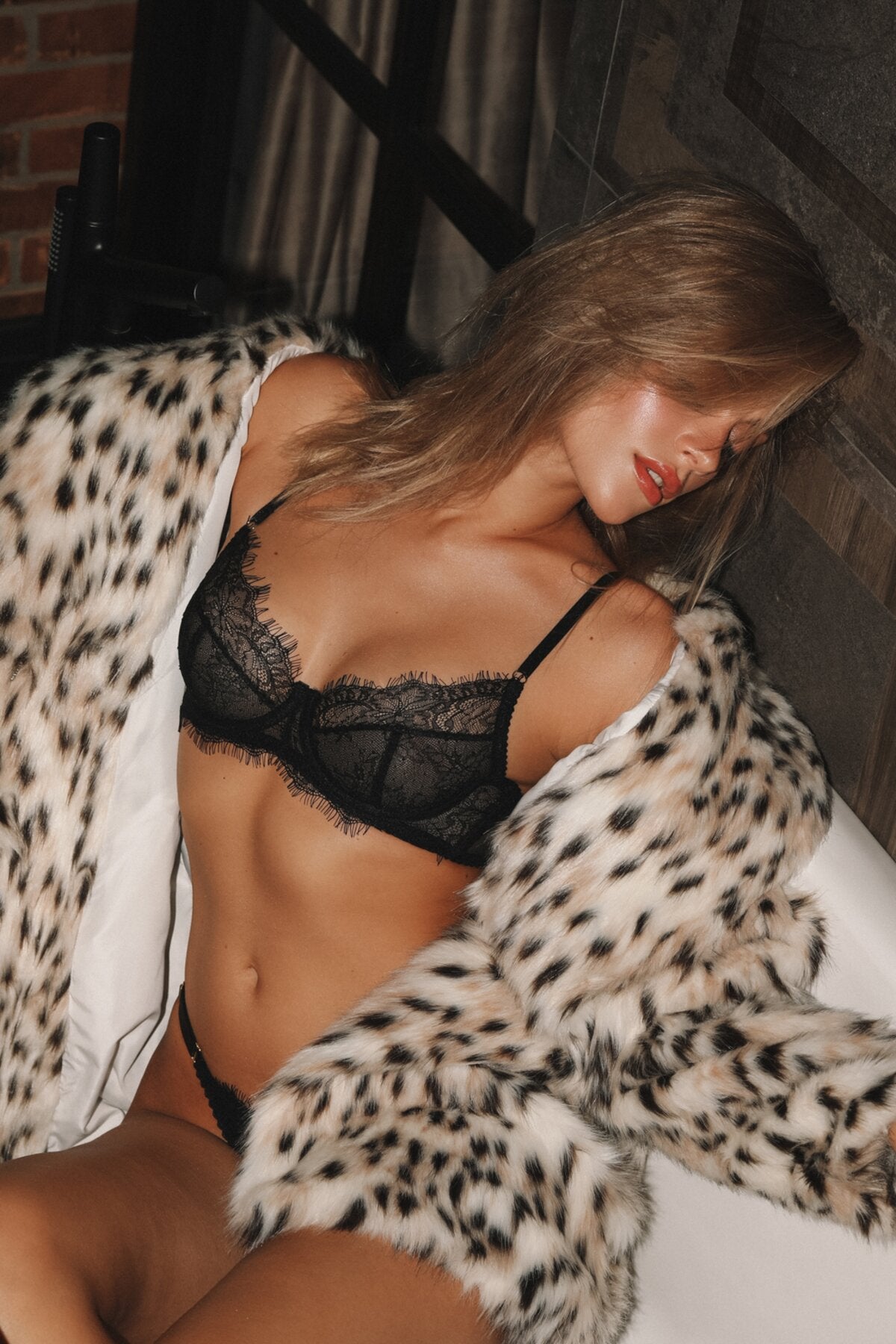
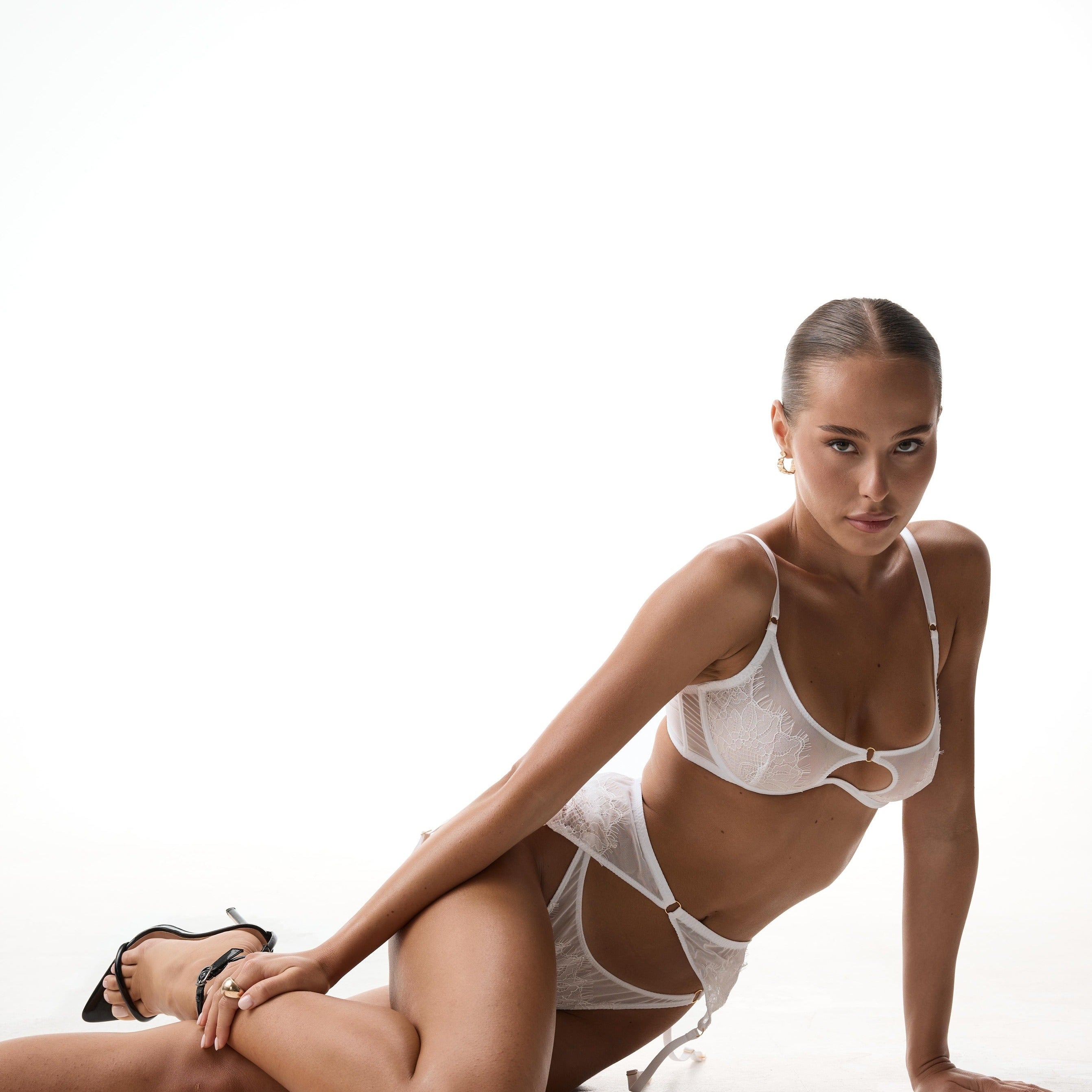
Mesh deserves the same attention. In pieces like our Black Swan set, where noir lace sits against sheer mesh panels, the mesh is doing structural work: it has to hold its tension across the band and not bag out after a few wears. Pinch a panel and let go. Good mesh snaps back flat.

Construction: the details you only see inside out
The quickest way to judge a lingerie piece is to turn it inside out. Luxury construction shows up as clean, narrow seams, lace motifs placed deliberately at edges, and hardware that is covered or finished so nothing scratches.
Here is what we check on our own work, and what you can check on anyone's:
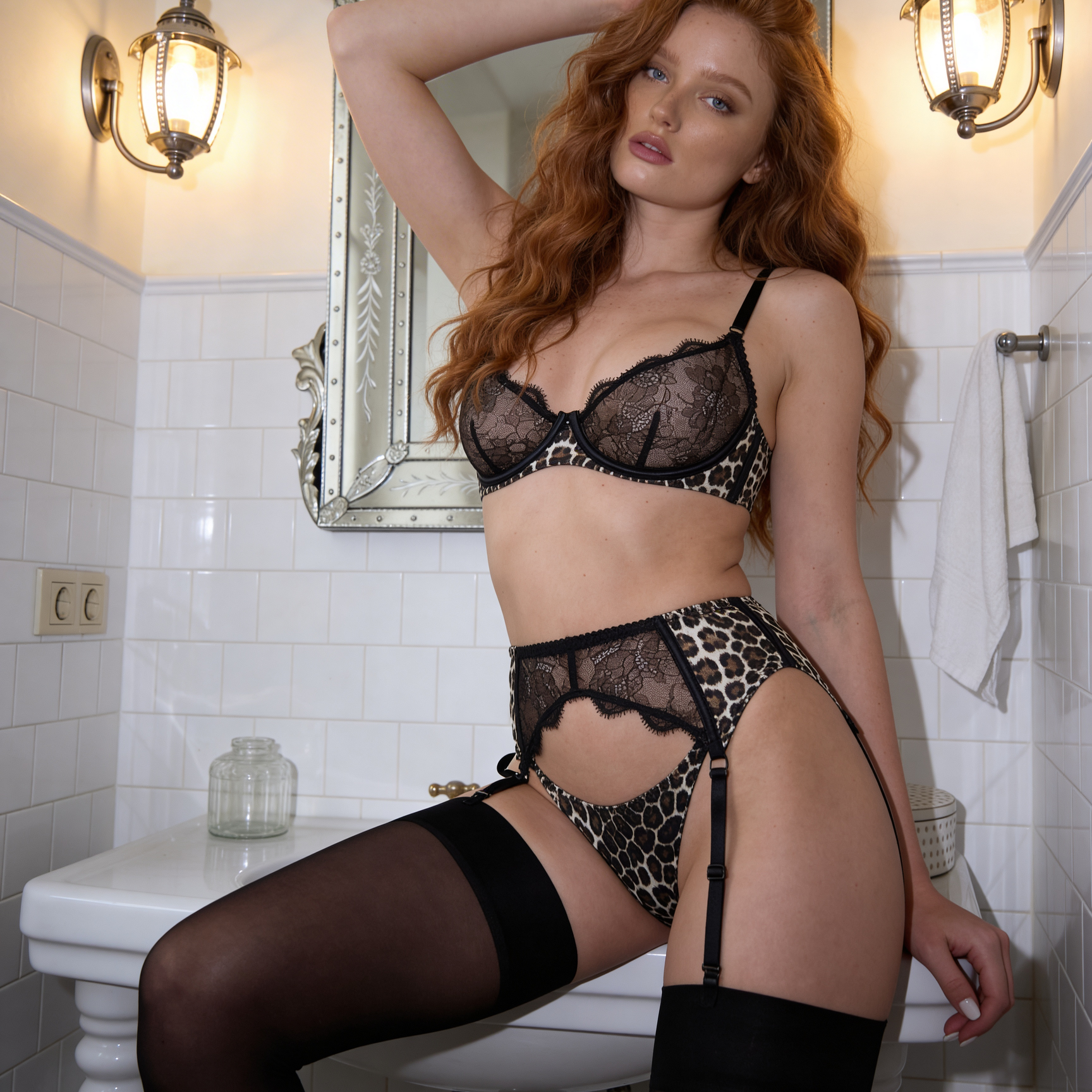
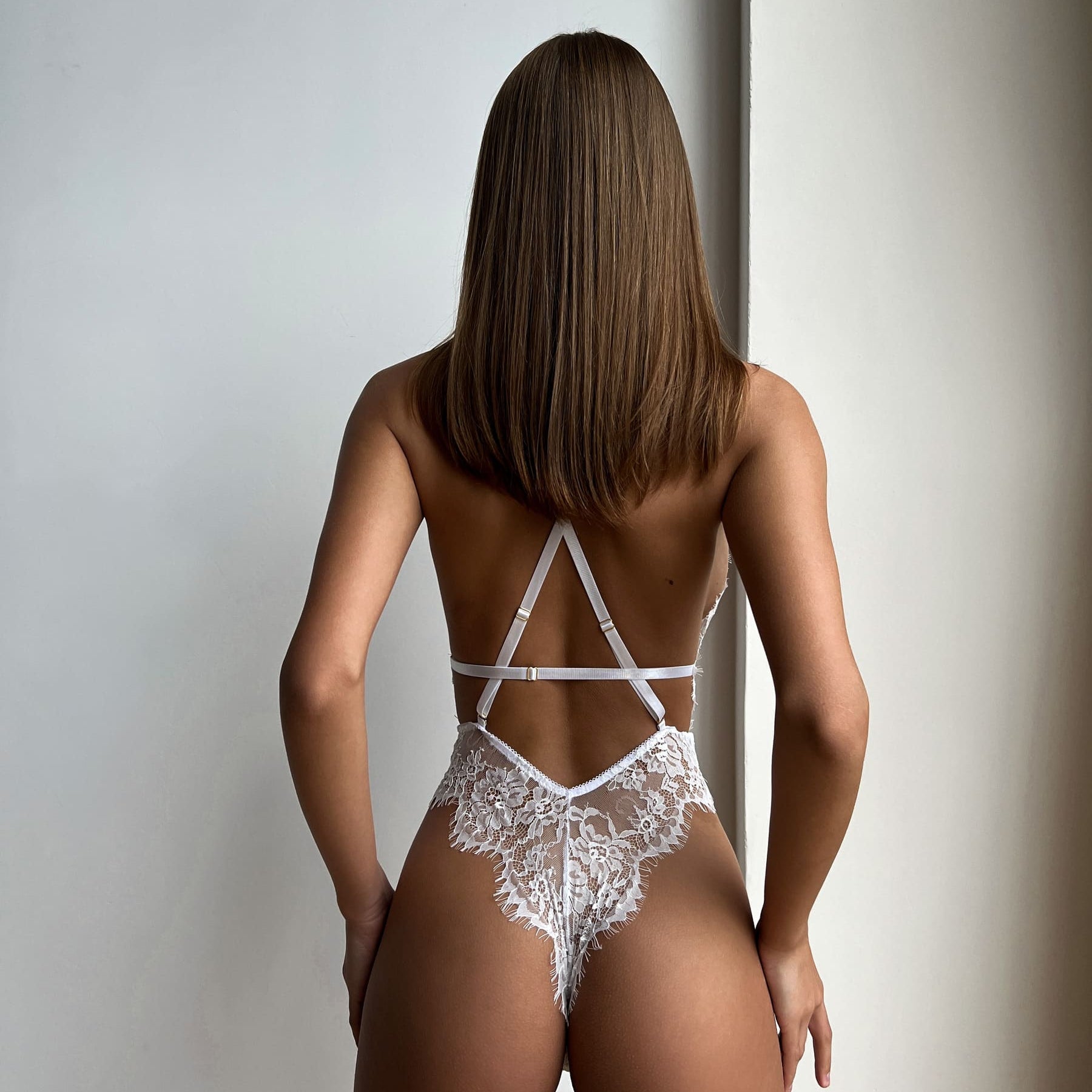
- Scalloped edges: On a well-made piece, the natural scallop of the lace forms the edge of the cup or brief. On a cheaper one, lace is cut straight and finished with a separate elastic trim.
- Motif placement: A good cutter positions the pattern so a flower sits centred on each cup, and the left and right sides mirror each other. It wastes fabric, which is why fast production skips it.
- Seam finishing: Seams should be narrow and flat, with no loose threads or stiff, bulky overlocking pressing against the skin.
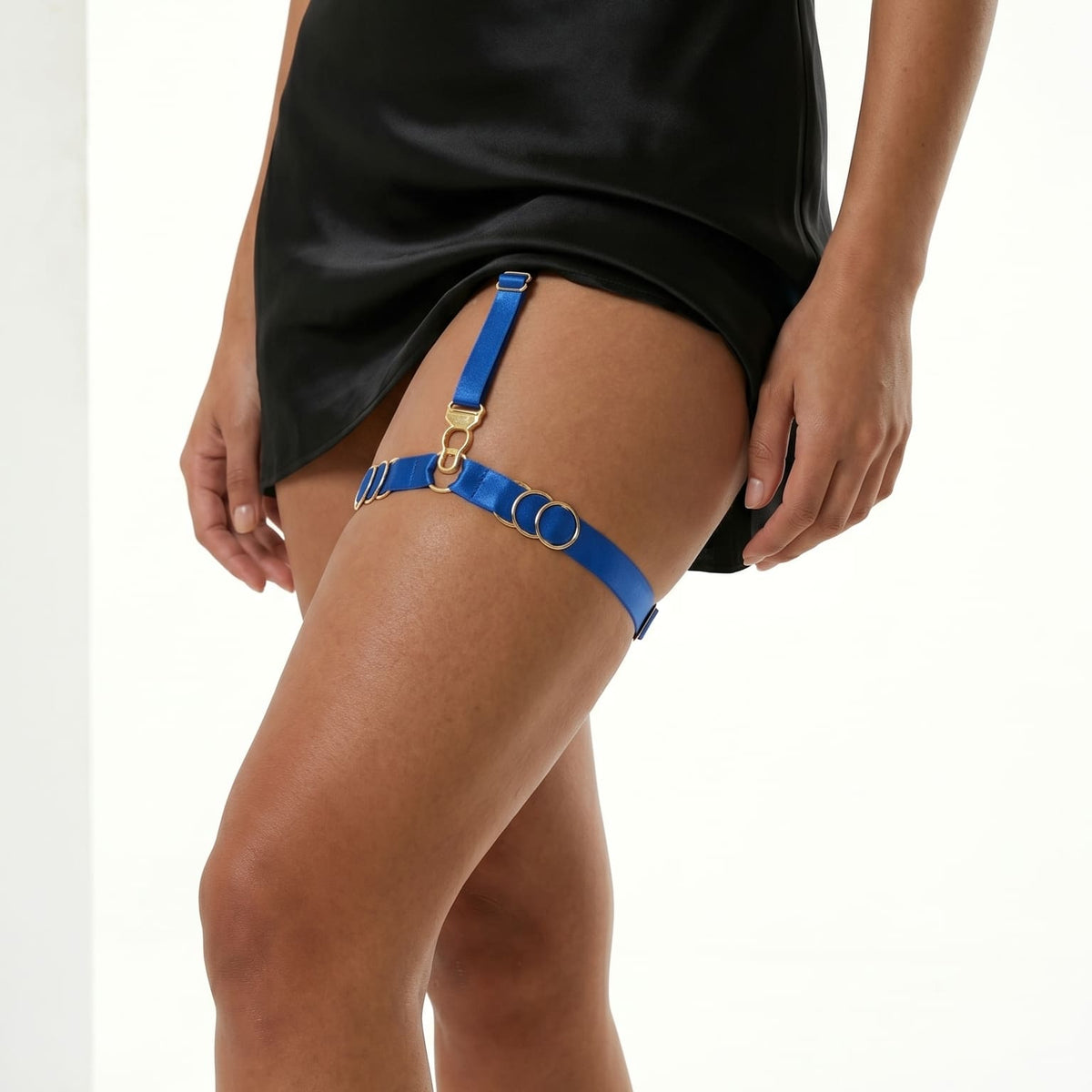
- Channelling and hardware: Underwire channels should be soft and fully enclosed. Hooks, rings and sliders should sit flat and feel smooth.
- Consistent tension: Straps and bands should stretch evenly along their length, with no rippled or wavy sections.
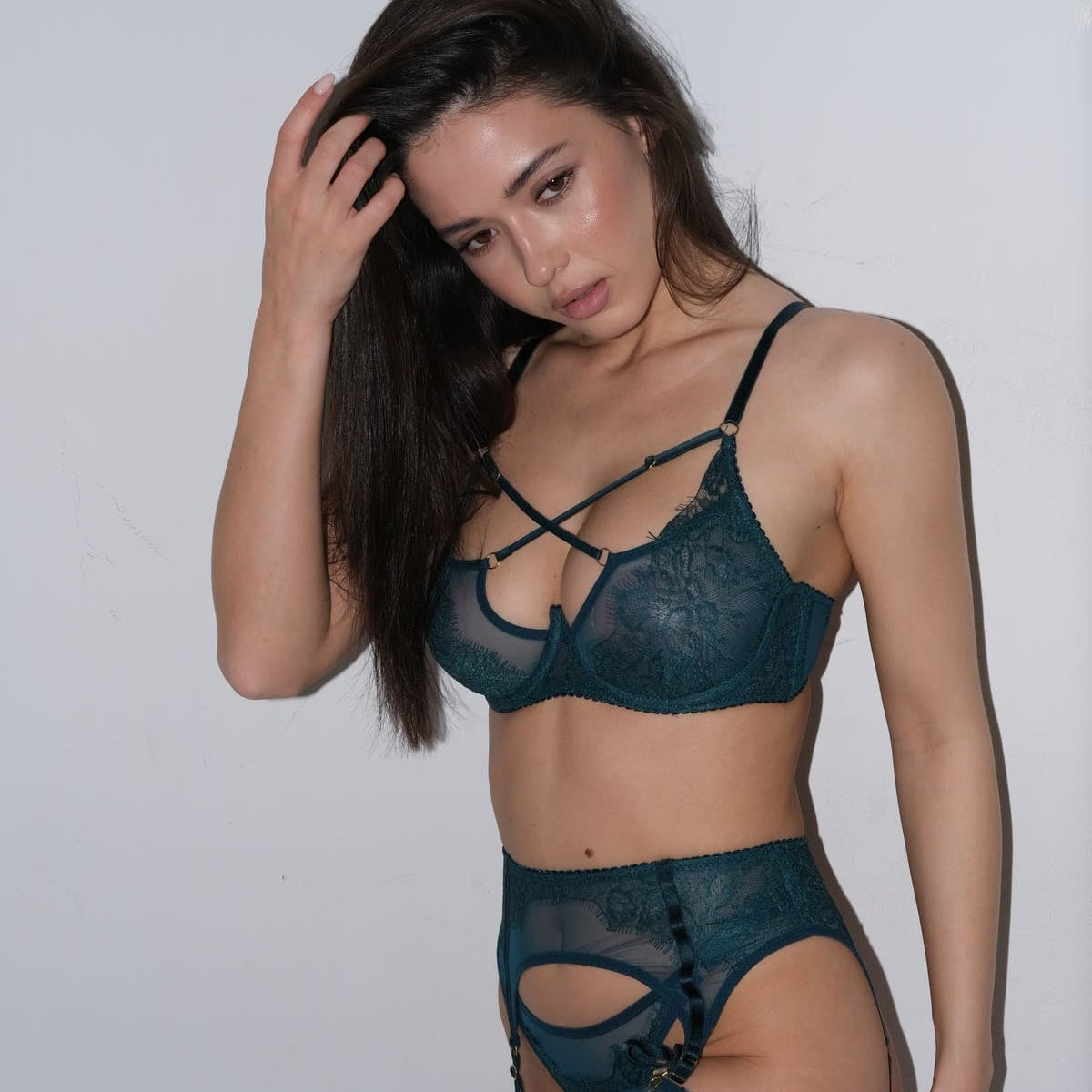
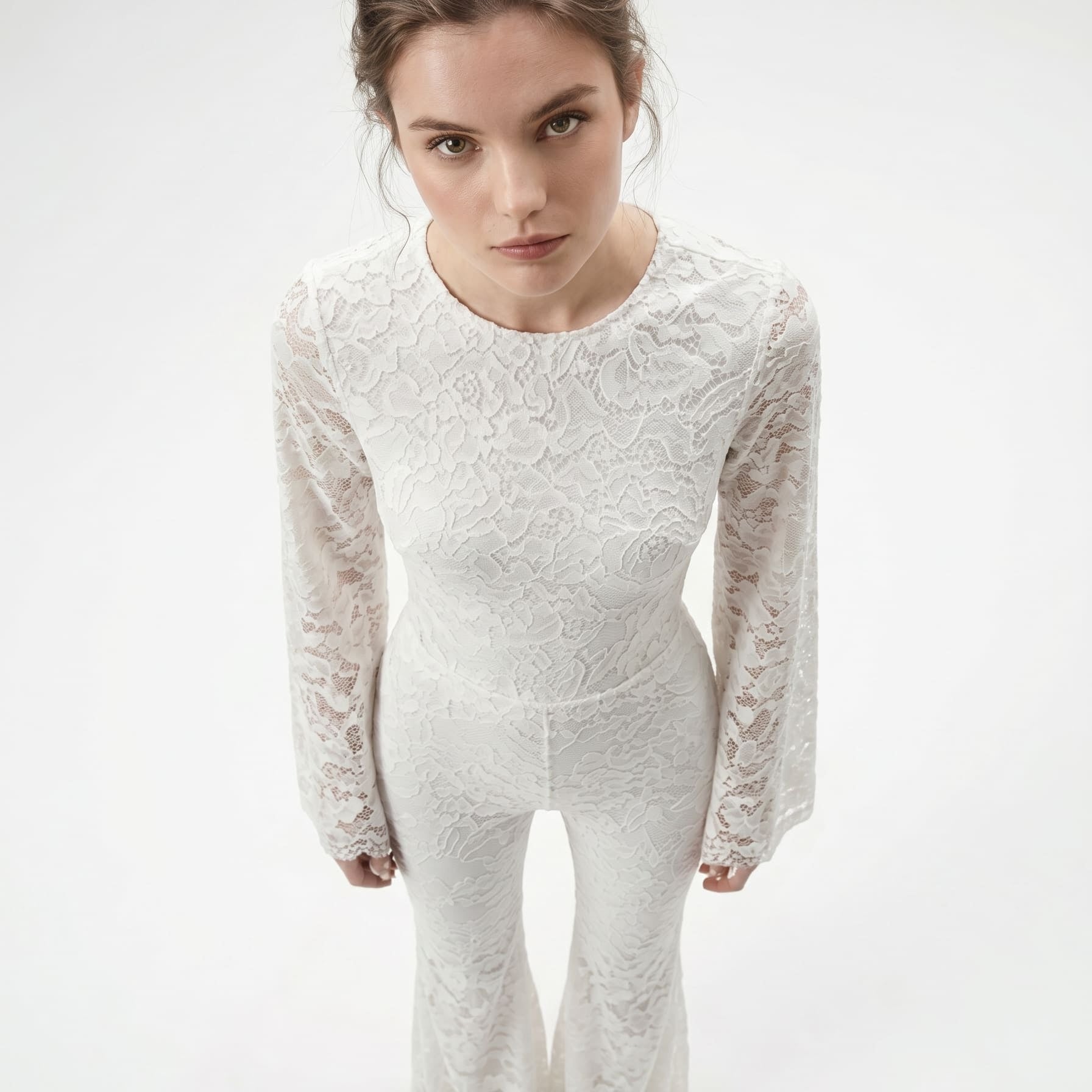
Floral lace makes these details easy to judge because any careless cut shows immediately. Look at a high-neck piece like the Iness de Nuit suit and the whole garment depends on the lace pattern flowing around the neckline without an awkward break.
Fit is the part a price tag can't buy
Fit is the single biggest difference between lingerie you love and lingerie you leave in the drawer, and it has very little to do with price. A €40 bra in your correct size will feel better than a €200 bra that is one band size off.
This is where made-to-order changes the maths. Standard sizing assumes a body proportioned like a fit model, and most people sit between sizes somewhere: a band that fits but cups that gape, or the reverse. When a piece is cut to your measurements, that gap closes. We explained how this works in our studio in what happens between order and delivery.
If you are buying ready-to-wear luxury, measure yourself carefully first, and treat the brand's own size chart as the authority rather than the size you usually buy elsewhere. Sizing varies more between labels than most people expect.

Is expensive lingerie worth it?
It is worth it when the extra money bought materials, construction and fit you will use for years. It is not worth it when the premium paid mainly for a name.
A practical way to think about it is cost per wear. A set you wear twice a week for three years costs very little per wear, even at a luxury price. A set bought on impulse that sits unworn costs its full price for nothing. So the honest question before any purchase is whether you will actually wear it, not whether it is a good deal.
Care changes the calculation too. Fine lace and mesh last far longer when washed by hand in cool water and dried flat. Our guide to washing lingerie properly covers the details, and it is the cheapest way to double the life of anything you own.
How to spot luxury marketing without luxury work
The warning signs are vague language, missing information and prices that rise with the brand name rather than the product. A few quick checks will catch most of them.
- The product page describes a feeling but never names the fabric composition.
- "Handmade" or "artisanal" appears with no information about where or how the piece is made.
- The inside of the garment looks noticeably rougher than the outside.
- The same design appears on several unrelated sites under different names, which usually points to a generic factory product.
- There is no way to ask a person a question before you buy.
One of these alone proves little. Several together suggest the price is doing more work than the product.
How we think about luxury at Lioness
For us, luxury means each piece is cut and sewn after you order it, by hand, to your measurements. We hold no stock, so nothing sits in a warehouse and nothing is made in bulk on the chance someone buys it.
Our production takes 3 to 7 business days, and you can adjust an order within 24 hours of placing it. We work mostly in lace and mesh, from the dark florals of Black Flowers and the vertical strap lines of Emily to the simpler, cleaner shapes in the Simplering collection. Because returns aren't possible on made-to-order pieces, we would always rather you ask about your size first than guess.
We are a small studio, and we don't pretend otherwise. What we can promise is that we know who made your piece and that it was made for you. You can browse the full lingerie collection or start with bras if you already know the shape you like.

Frequently asked questions
What makes lingerie luxury?
Better materials, careful construction and close fit. Woven lace, dense mesh, clean seams, placed lace motifs and covered hardware are the signs. Brand name and packaging do not make a piece luxury on their own.
How can I tell if lace is high quality?
Good lace has visible depth, often with a raised cord outlining the motifs, and a fine net background. Knitted lace looks flatter, and printed lace is just a pattern on stretch fabric, which shows on the reverse side.
Is expensive lingerie worth the money?
It is worth it when you will wear the piece often and the price paid for materials, construction and fit. Think in cost per wear. A well-made set worn for years costs less per wear than a cheap one replaced every few months.
Is luxury lingerie the same as designer lingerie?
Not always. Designer refers to a brand or label, while luxury describes how the piece is made. Some designer lingerie is superbly made, and some small makers without a famous name produce work of the same standard.
How long should luxury lingerie last?
With hand washing in cool water, flat drying and rotation between several pieces, a well-made bra typically keeps its shape for years rather than months. Elastic is usually the first component to wear out.
About the author. Lioness Studio is the design and production team behind Lioness Lingerie. We make every piece to order, by hand, and write the Journal to share what we have learned about fit, fabric and construction along the way.