

Last updated: September 18, 2026
"Designer bra" gets stamped on everything from a €40 department-store label to a €300 made-to-order piece, and the word alone tells you almost nothing. What actually separates a designer bra from a regular one isn't the name on the tag. It's a short list of construction choices you can check for yourself: the fabric, the number of pattern pieces, the hardware, and the stitching. Once you know what to look for, "designer" stops being a marketing word and starts being something you can verify in your hands.
Key takeaways
- "Designer" is a labeling choice, not a construction standard. Fabric, pattern pieces, hardware, and stitching are what actually separate a well-made bra from a cheap one.
- Real lace is woven as a single piece on a loom; printed lace is a flat mesh with a pattern stamped or embroidered on top. You can tell the difference by checking the back of the fabric.
- A structured underwire cup typically uses more pattern pieces than a soft bralette, because each seam controls shape in a different direction.
- Metal hardware (rings, sliders, hooks) holds tension and shape longer than molded plastic, which is why it shows up on higher-construction pieces.
- Paying more only gets you better construction if the construction is actually different. Check the fabric, seams, and hardware before assuming price equals quality.
What "designer" actually means when it's printed on a bra
On a hang tag, "designer" usually means one of three things: the piece carries a known name, it was produced in smaller batches than mass-market lines, or it simply costs more. None of those three facts describe how the bra is built. A bra can carry a recognizable name and still be cut from the same printed mesh and molded-plastic hardware as a fast-fashion three-pack. The reverse is also true: a small workshop with no brand recognition at all can build a bra with real woven lace, metal hardware, and hand-finished seams. If you want to know whether a bra is actually higher construction, the label isn't where you look.

The fabric test: woven lace versus printed lace
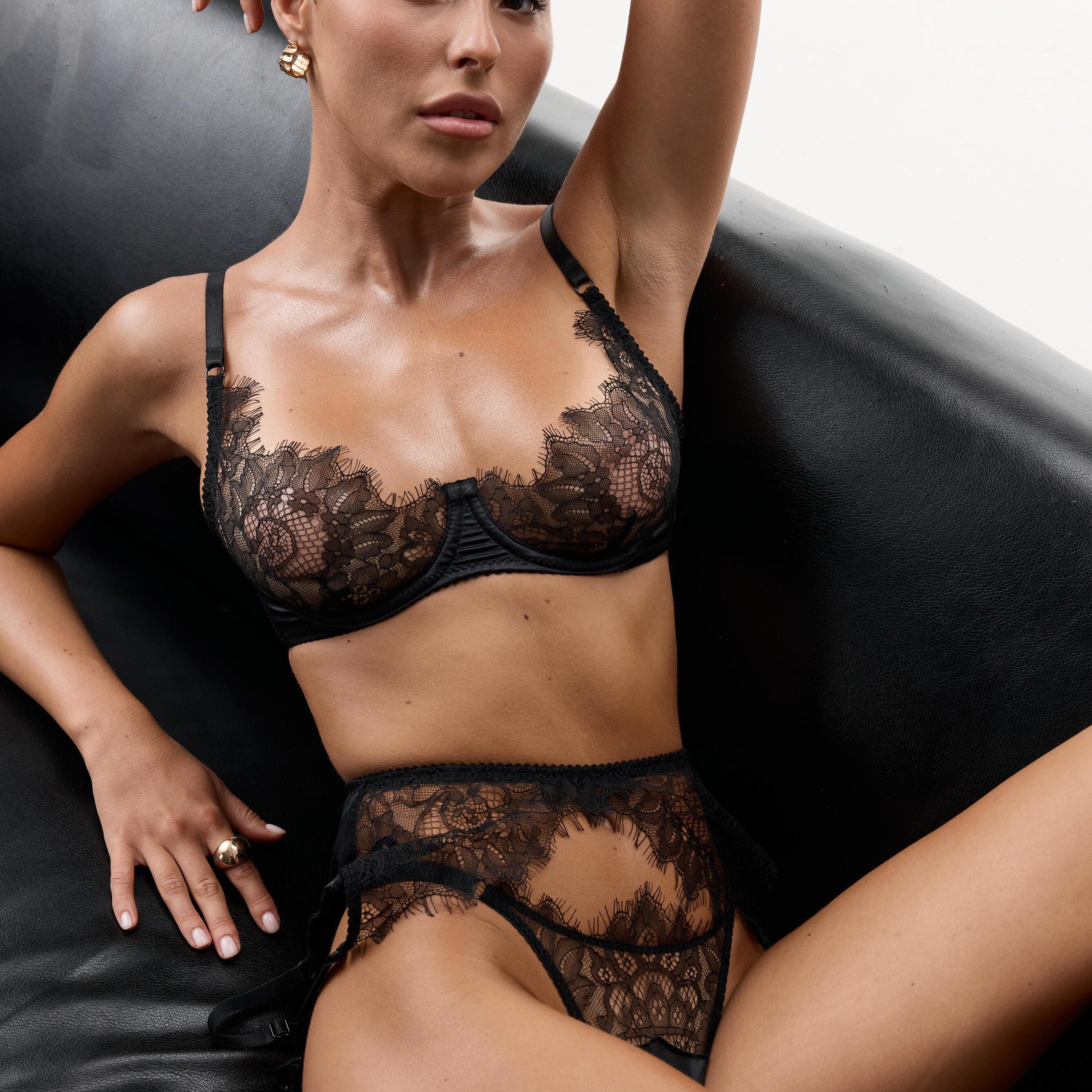
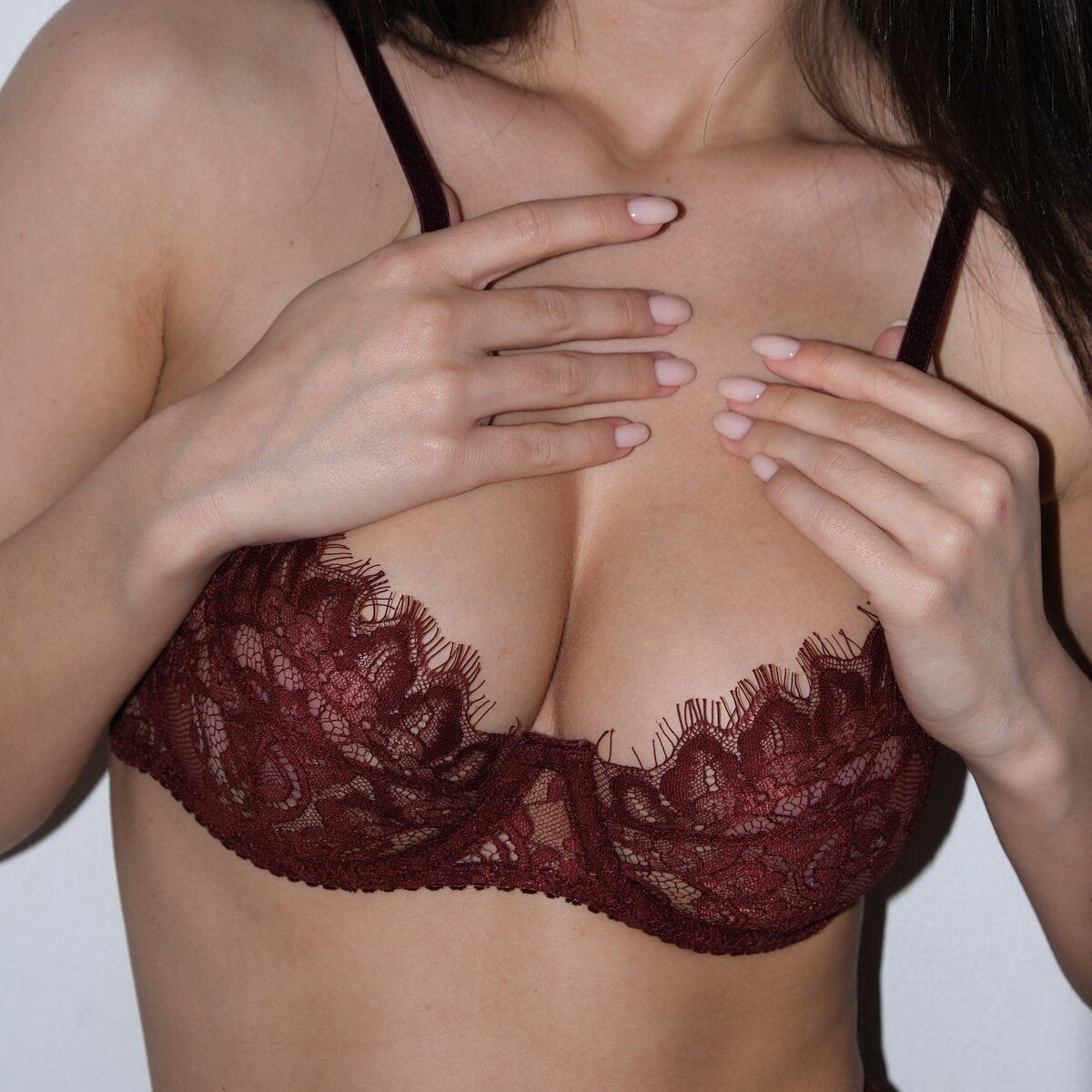
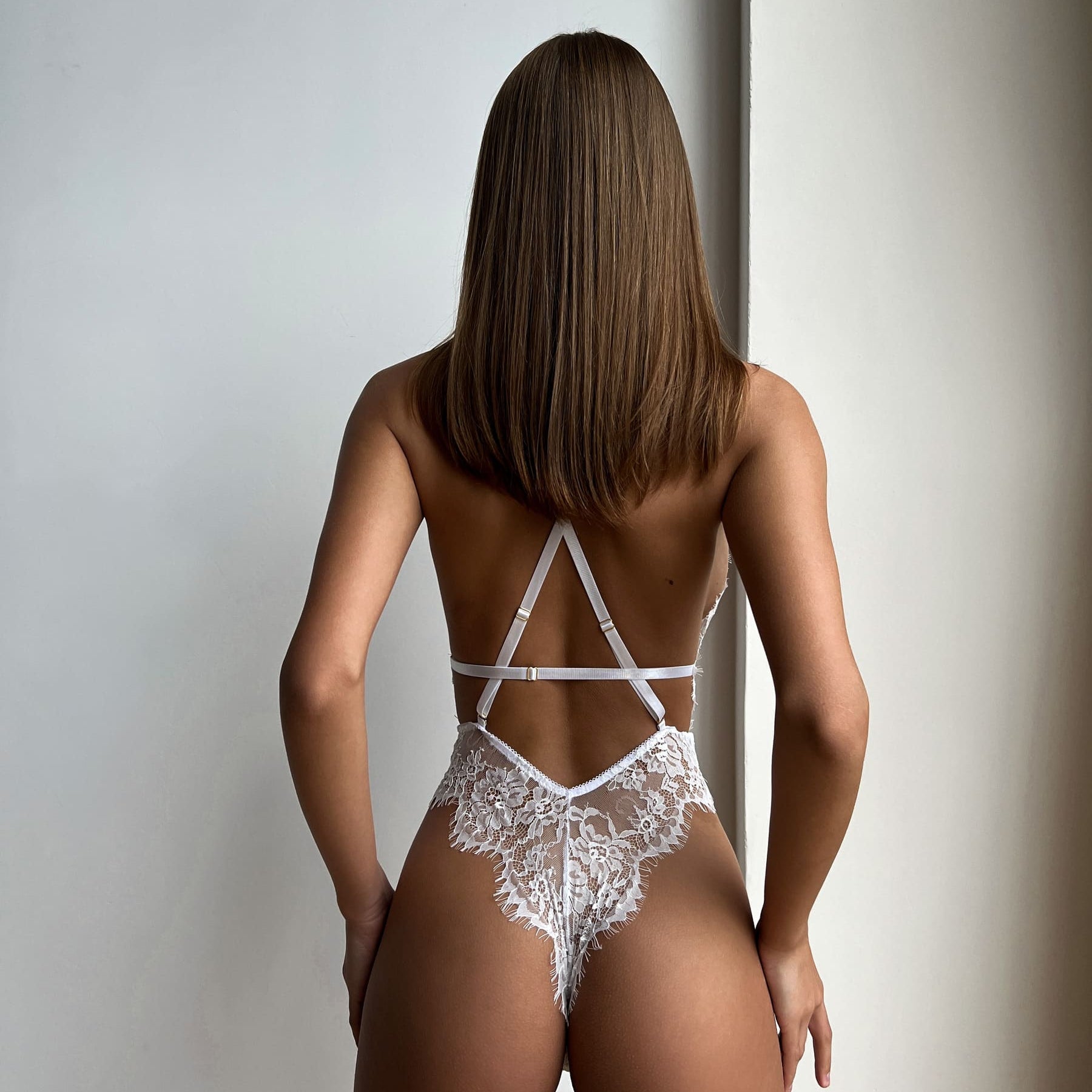
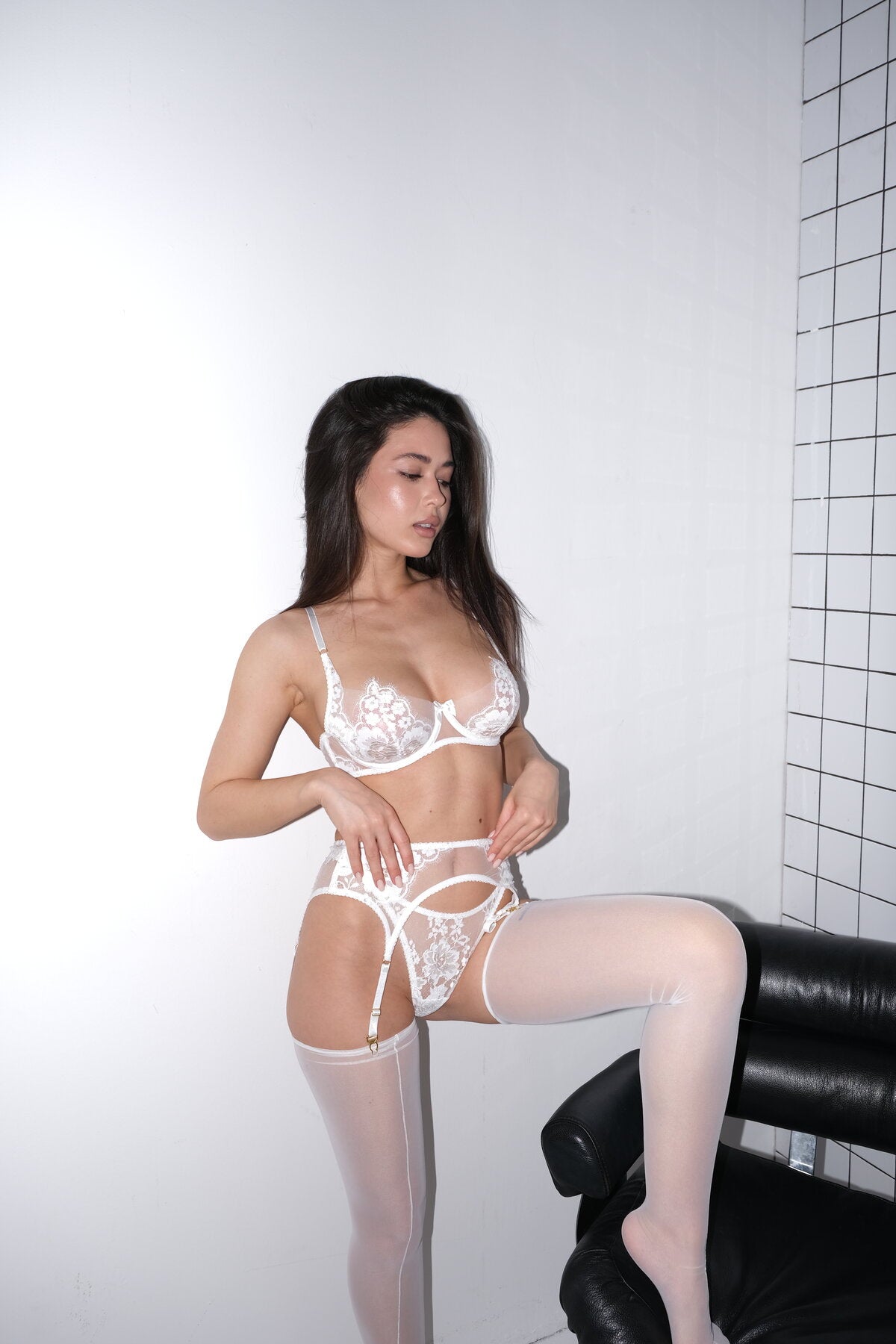
Flip the fabric over. Printed lace is a flat mesh base with a floral or geometric pattern stamped, embroidered, or bonded onto the surface, so the back looks mostly blank. Real bobbin or Leavers lace is woven as a single piece, thread by thread, so the pattern reads clearly on both sides and the surface has actual texture and depth you can feel with a fingertip. This single check tells you more about a bra's real construction tier than the price tag does.
Leavers lace, the fabric behind most true luxury lingerie labels, is woven rather than printed on machines that carry more than 15,000 individual threads at once, and fewer than 300 of these looms are still running worldwide. That scarcity is part of why genuine woven lace costs more than a printed imitation, not because of the brand name attached to it.
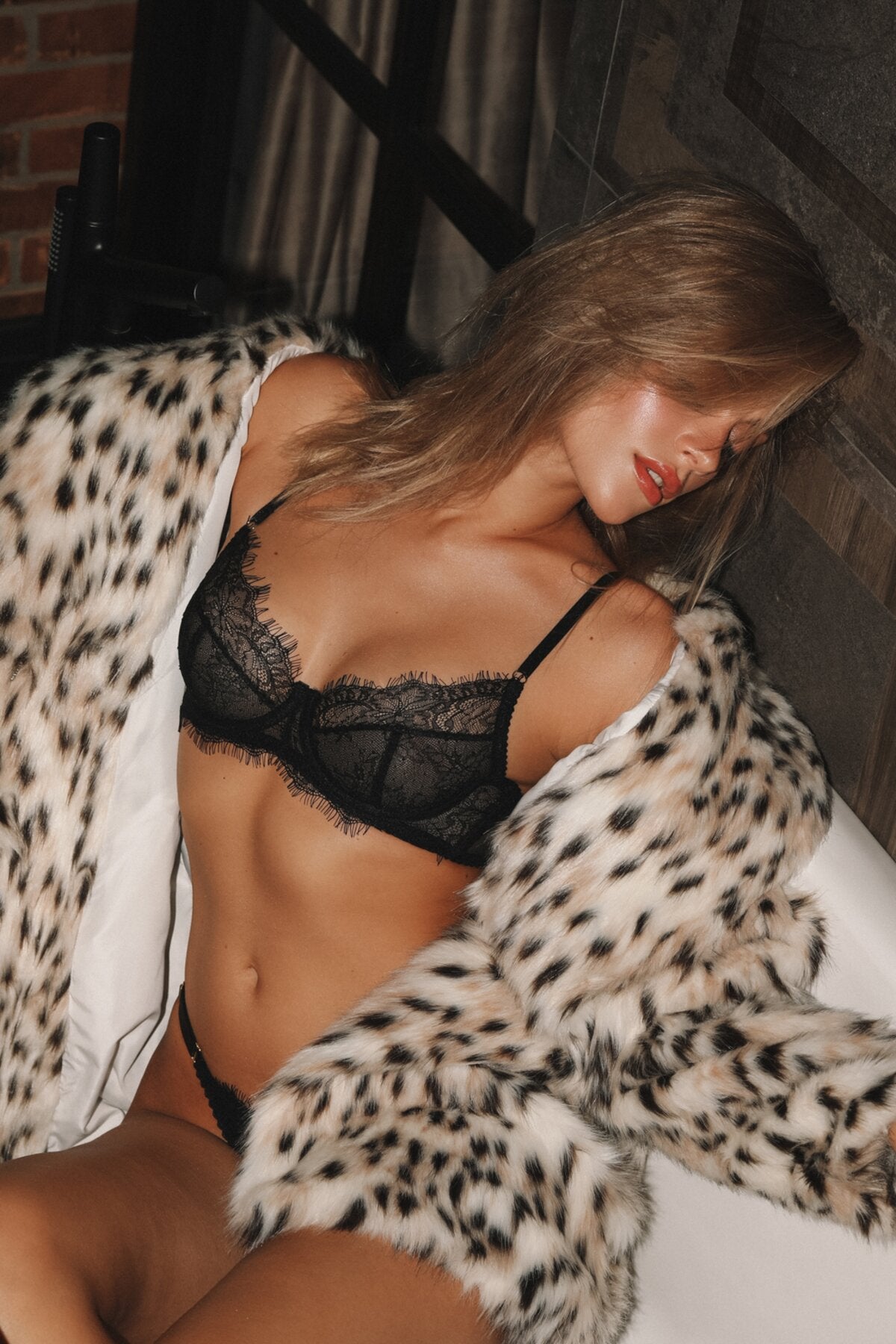
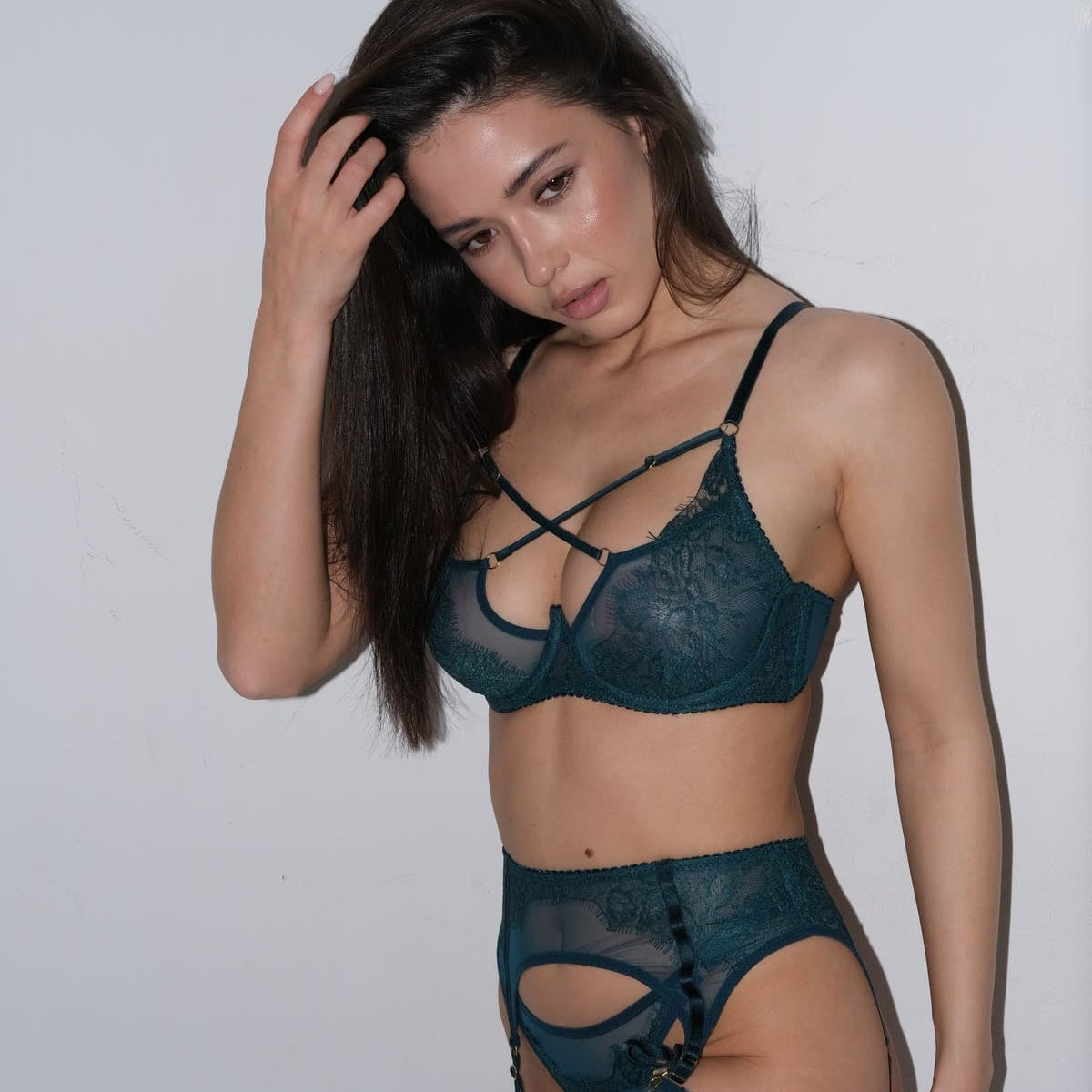
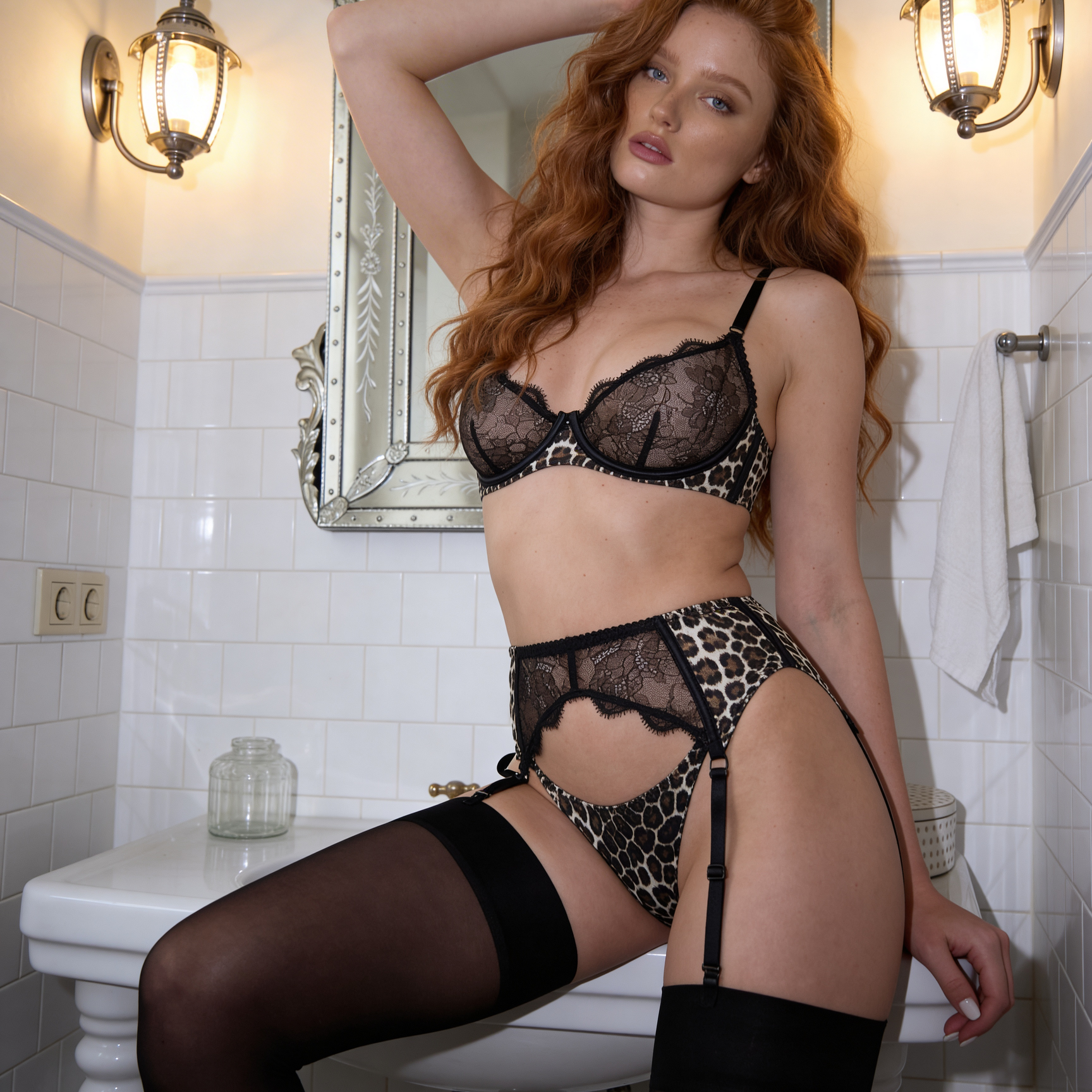
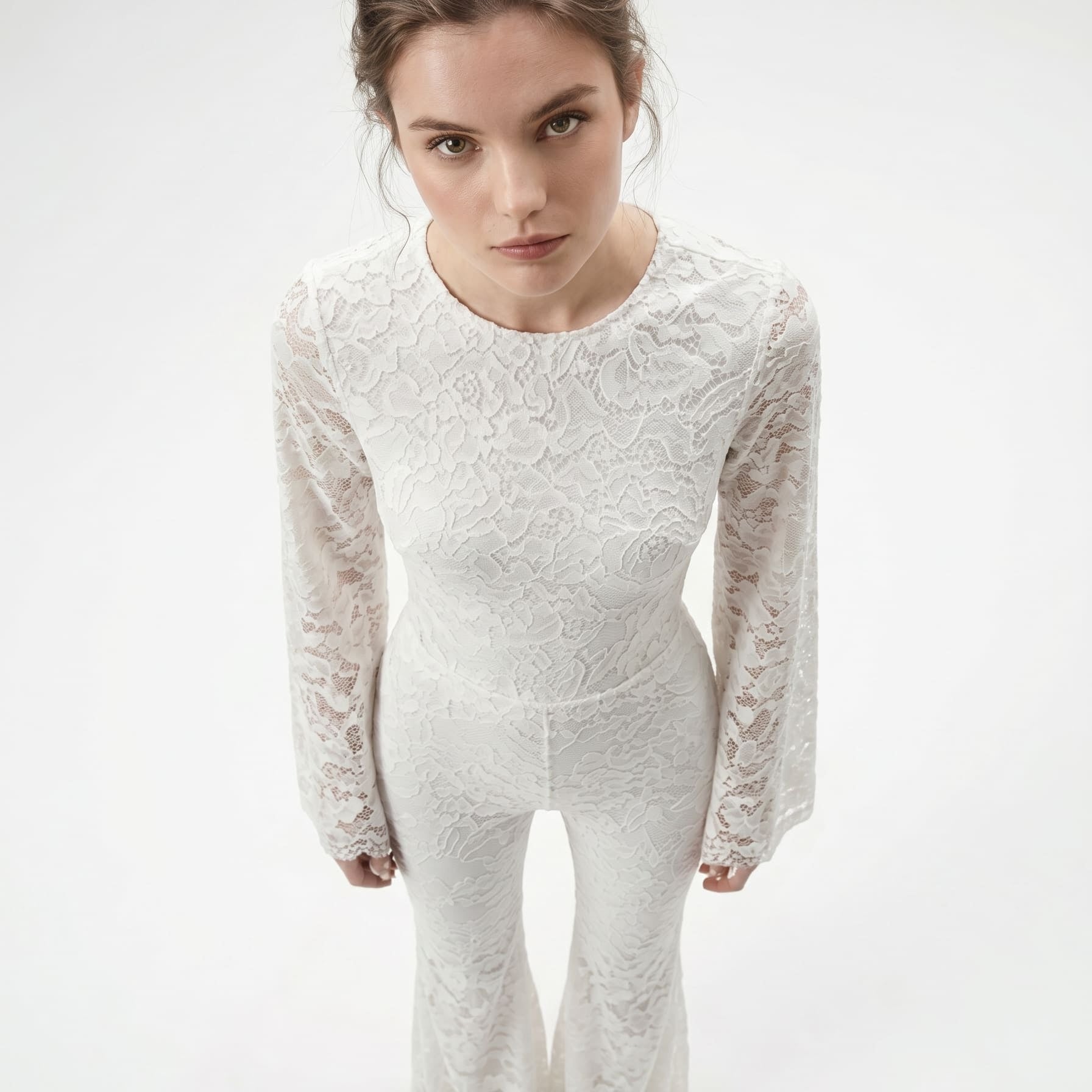
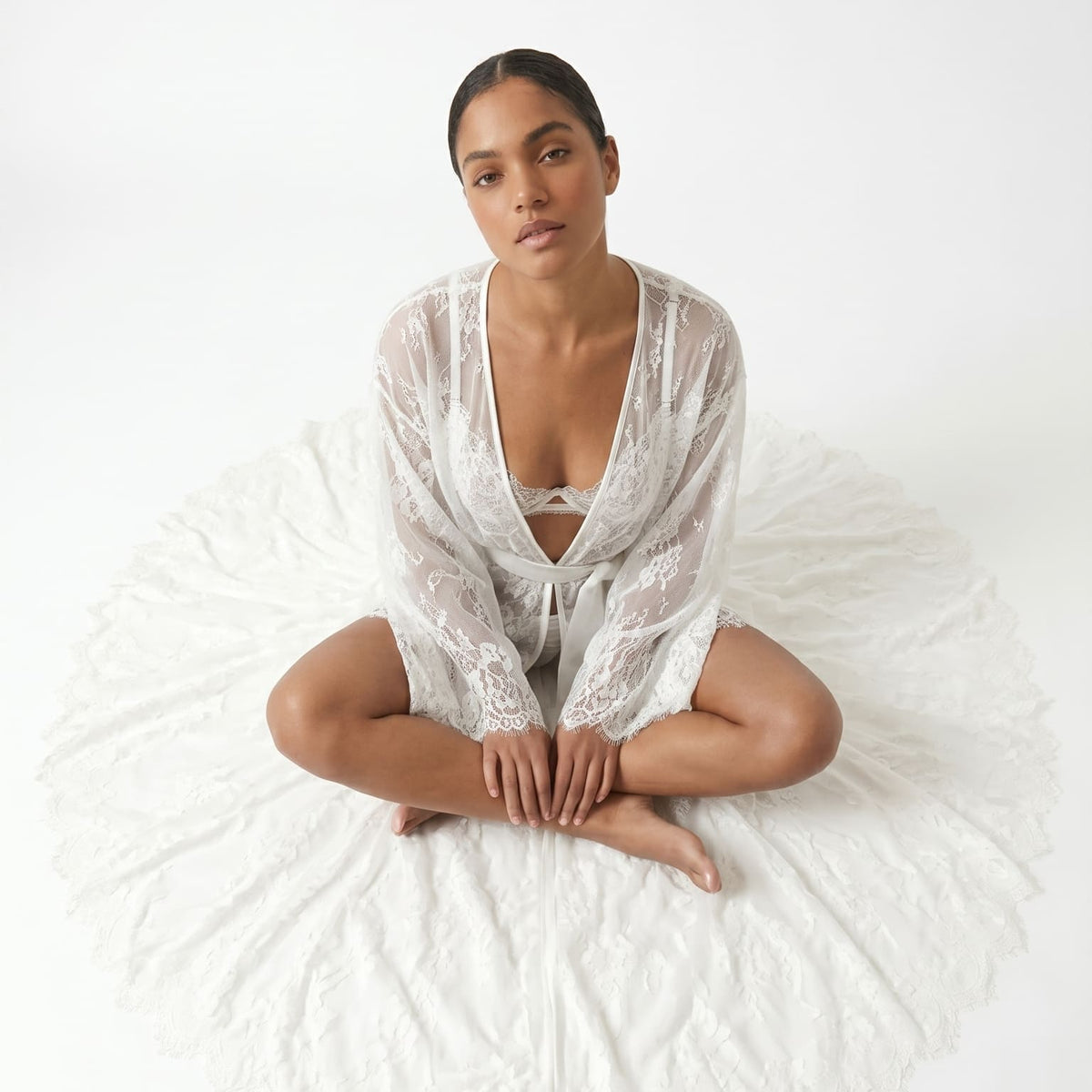
Lioness pieces built around this kind of dense, structured lace include the Bella and Carolina collections, both cut from architectural mesh and lace rather than a printed base.
How many pieces go into the cup, and why it matters
A soft bralette can be cut from as few as two or three pattern pieces because it isn't doing much structural work. A fitted underwire cup usually needs more, split into side panels, a lower cradle, and sometimes a separate upper section, because each seam is there to control the fabric's stretch in one specific direction. More seams generally mean more precision in how the cup holds its shape against a moving body, which is also why a well-constructed structured bra tends to feel different from a soft one even before you factor in the wire.
This is the same reason a fit guide matters as much as fabric quality. If you haven't checked which cup shape actually works for your bust, start with our guide to bras by bust size before shopping by construction alone.
Hardware: the small parts that give it away
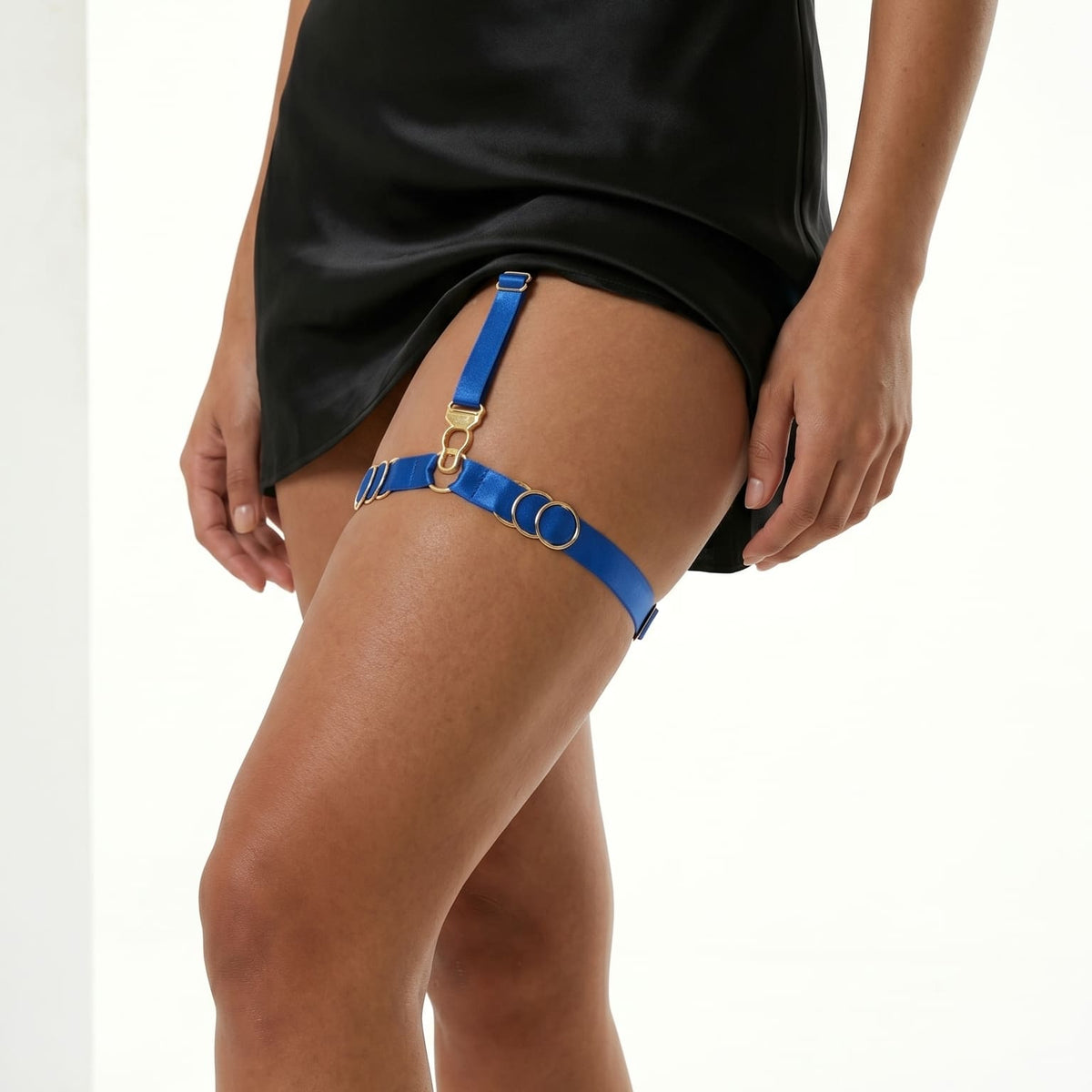
Pick up the strap and look at the slider and ring. Molded plastic hardware is lighter, cheaper to produce, and tends to develop a slight give or crack over time, especially with repeated washing. Metal hardware, usually a zinc alloy with a plated finish, holds its shape and tension for longer and is what you'll find on most higher-construction pieces. The plating itself is also a tell: a cheap gold finish wears down to a dull grey within a few months, while a properly plated piece keeps its color much longer.

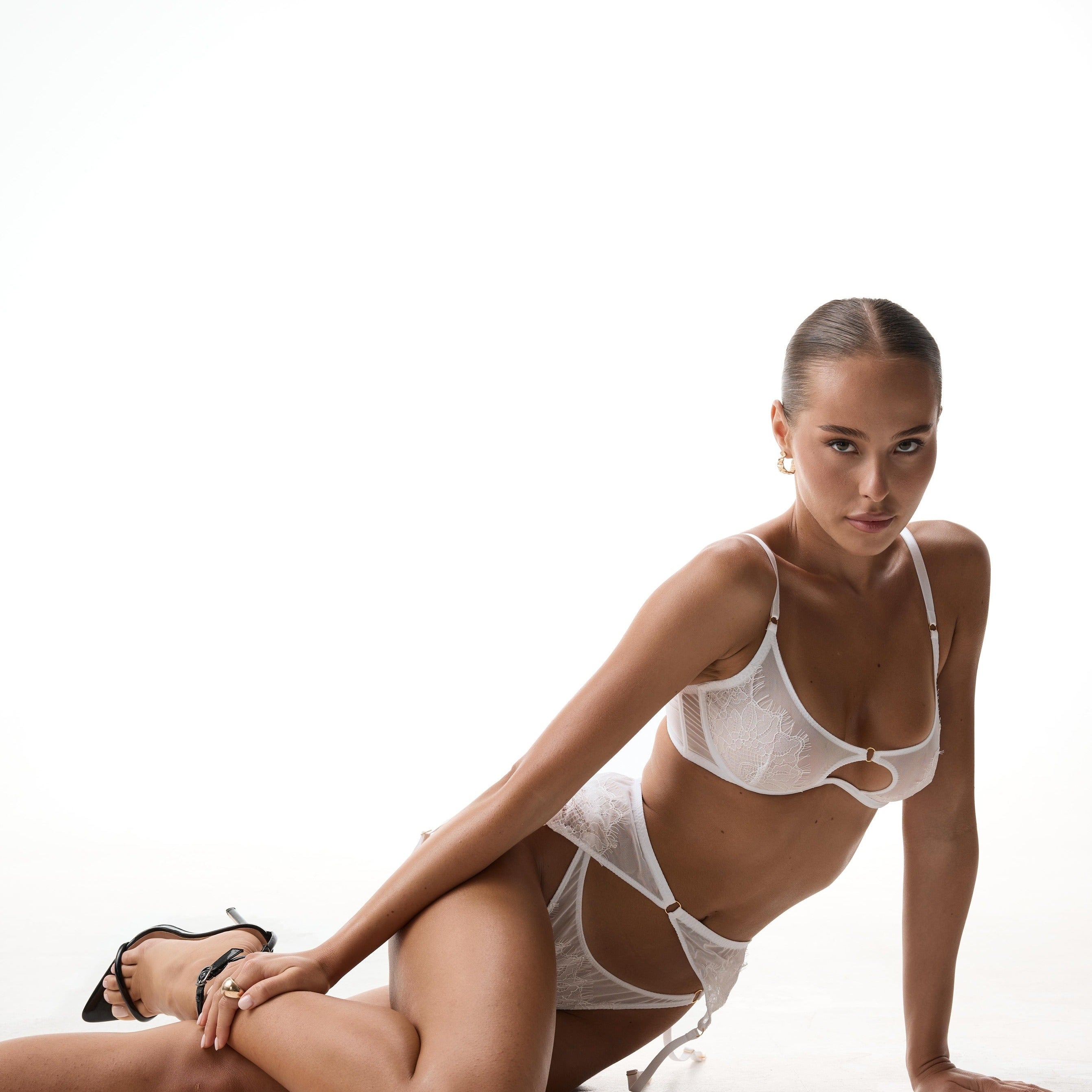
The Amber set is a clear example of this detail done deliberately, with gold-toned hardware set against deep espresso lace. The Samantha collection uses the same principle in a lighter construction.
Stitching and finishing you can actually check
Turn a bra inside out and look at the seam allowances. A bound or finished edge, where the raw seam is enclosed in a strip of fabric or a folded binding, won't fray after a few washes. A raw, unfinished edge will, usually within a month of regular wear. Check the bar tack, the small dense stitch reinforcing the strap attachment point, since that's the spot under the most repeated stress and the first place cheap construction fails. Loose threads at the edge of an underwire channel are also worth checking; a properly finished channel is stitched closed on both ends so the wire can't work its way out.
Does "designer" actually mean better fit?
Not automatically. A well-known name doesn't guarantee a cup that matches your actual shape, and a bra can have every construction detail described above and still fit wrong if the pattern itself wasn't drafted for your proportions. What higher construction does reliably deliver is consistency: the same size will fit the same way wash after wash, because the fabric, wire, and hardware aren't degrading at the rate cheaper materials do. For genuine fit precision beyond construction quality, made-to-order sizing addresses the part that a fixed pattern, however well built, can't: how bespoke sizing actually works between order and delivery.

Is it worth paying for?
Only if the construction is actually different from what you're comparing it to. A €180 bra with printed lace, plastic hardware, and unfinished seams isn't better built than a €60 bra with the same specs; it's just priced higher. The construction details in this guide (real woven lace, more pattern pieces in a structured cup, metal hardware, bound seams, reinforced bar tacks) are what you're actually paying for when a price increase is justified. Check for them before assuming a higher number on the tag means a better bra.
Frequently asked questions
What makes a bra "designer" instead of just expensive?
Technically, nothing enforces the word. "Designer" is not a regulated construction standard, so the only way to know if a bra is actually higher construction is to check the fabric, pattern pieces, hardware, and stitching yourself rather than trusting the label.
Is real lace always better than printed lace?
For structure and longevity, yes. Woven lace holds its shape and pattern over years of wear, while printed patterns can crack, peel, or fade faster since the design sits on top of the base fabric rather than being part of it.
Does metal hardware really make a difference?
Yes, mainly in how long the bra holds its fit. Metal rings and sliders keep consistent tension on the straps over hundreds of wears, while plastic hardware is more likely to slip, stretch, or crack.
Can a cheaper bra still be well made?
Yes. Construction quality and price track loosely, not exactly. A smaller workshop without brand recognition can use the same woven lace and metal hardware as a recognized label, sometimes at a lower price because it isn't paying for marketing.
How is a made-to-order bra different from a "designer" one?
They solve different problems. Construction quality (fabric, hardware, stitching) is about how the piece is built. Made-to-order sizing is about whether the pattern matches your actual measurements. A bra can have excellent construction and still fit a standard size chart rather than your body specifically.
Lioness Studio writes the Journal from the workshop floor: what we're cutting, fitting, and learning as we build each piece to order. This one comes out of a recurring question from customers comparing our construction to mass-market "designer" labels.