

Last updated: September 16, 2026
"Bespoke" gets used loosely across fashion right now, attached to anything with a bit of customization. In tailoring, where the word comes from, it means something specific: a garment built from scratch around one person's measurements, not adjusted from an existing pattern. That's also what it means at Lioness, and it's worth spelling out exactly what happens between the moment you place an order and the moment it arrives, because the process is different enough from ordinary online shopping that it helps to know what to expect going in.
Key takeaways
- Bespoke means a piece is built to your measurements from the start, not picked from pre-made stock in your size.
- Every Lioness order carries the measurements you provide in the Order Note field at checkout.
- You have a 12-hour window after ordering to send fit adjustments through Instagram DM before production begins.
- Production takes 3 to 7 business days, followed by shipping that runs 3 to 21 days depending on your region.
- Because each piece is made for you specifically, standard returns aren't offered, which makes the pre-production adjustment window the real safety net.
What "bespoke" means
Bespoke describes a garment made from your own measurements, as opposed to a standard size that's altered to fit better (made-to-measure) or a finished piece pulled straight off a rack (ready-to-wear). The distinction matters because all three get marketed with overlapping language, and only one of them means nobody else's body shaped the pattern before yours did.
The word itself comes from tailoring. A customer would select a length of cloth that was then "bespoken", meaning spoken for, reserved to be cut for that person and no one else. In June 2008, the UK's Advertising Standards Authority ruled that even a suit cut and finished partly by machine could legally be called bespoke, pointing to the Oxford English Dictionary's plain definition of the word as "made to order." Savile Row's own tailors pushed back, arguing that real bespoke work still means a pattern drafted from nothing and fitted in person, not just a size run through a machine with your name on the invoice. It's a small example of how much the word can stretch once nobody's enforcing it, which is part of why we'd rather explain our own process plainly than lean on the label alone.
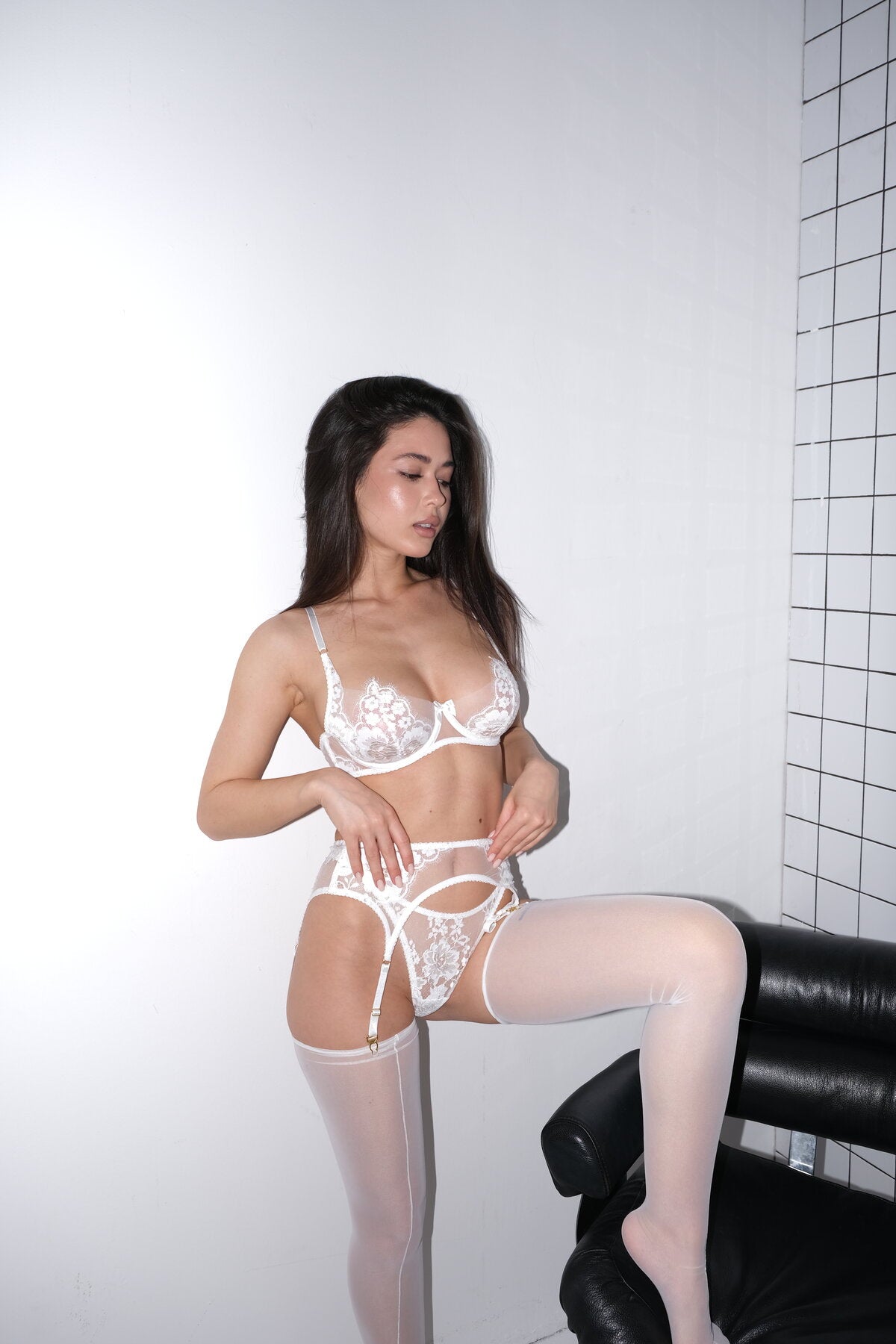
At Lioness, that plain version holds: nothing sits on a shelf in a range of sizes waiting for someone to buy it. Every piece across the lingerie collection is cut and assembled after an order comes in, against the measurements that specific customer submitted.

How a Lioness order starts
An order starts the same way any online purchase does, browsing the site, choosing a style and color from bras or panties through to full sets, adding it to your cart, until checkout, where a field called Order Note asks for your measurements: bust, underbust, waist, and hips, plus any notes about fit history that might matter (a longer torso, an asymmetry between sides, a preference for a looser band). This single field is what turns a normal product listing into a bespoke order. Skip it, and we'll follow the size guide's standard proportions for whatever size you selected; fill it in, and production works from your actual numbers instead. We've written separately about why every piece is made to order in the first place, which covers the reasoning behind zero standing inventory in more depth than fits here.
The 12-hour window before production starts
Once an order comes in, there's a 12-hour window to send corrections or additions through Instagram DM before it moves into production. This is where a customer might realize they wrote down an old measurement, want to flag that they run large in the band, or simply want to double-check a color choice against a photo. A person reviews each order and the notes attached to it before anything gets cut, so this window is a real checkpoint, not a formality. Once it closes and production begins, changes get harder to make, which is the main reason we'd rather a customer over-communicate at this stage than assume it'll sort itself out later. The mechanics of this review step, including what a fitter is checking for, are covered in more detail in our piece on what the custom fitting process involves.
Production: what happens during the 3 to 7 days
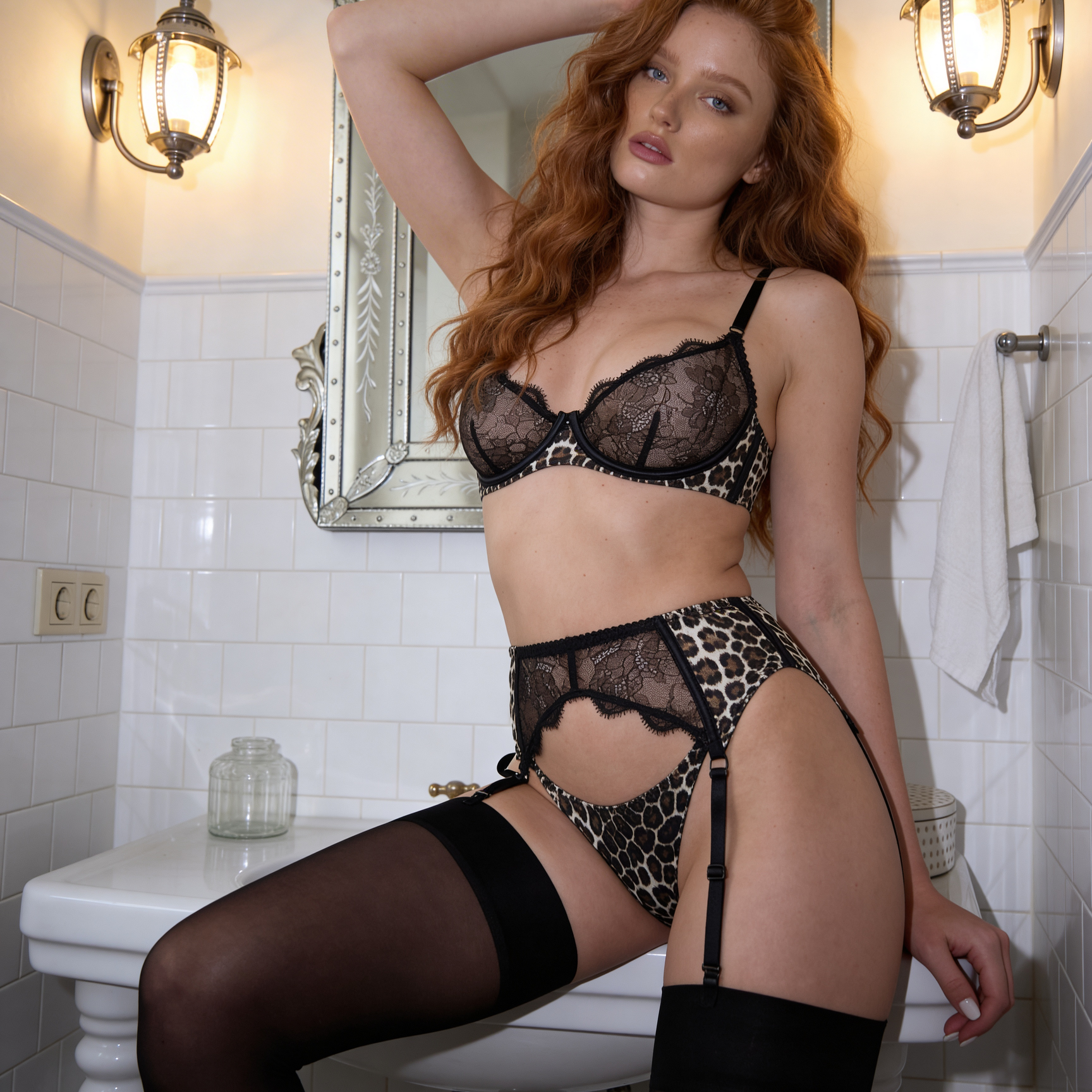
Production runs 3 to 7 business days for most pieces. Within that window, the pattern gets drafted or adjusted to the submitted measurements, fabric is cut, and the piece is assembled by hand at the construction stages that don't tolerate a machine shortcut, things like attaching boning channels, setting underwire casings, and finishing lace edges so they lie flat against skin instead of catching. A structured set with multiple pieces (bra, garter belt, matching brief) takes longer than a single robe or a pair of panties, which is part of why the window is a range rather than a fixed number of days. We go through the full order-to-delivery timeline, including exactly where those extra days tend to go on multi-piece sets, in our measurement-to-doorstep timeline breakdown.

What you can (and can't) adjust
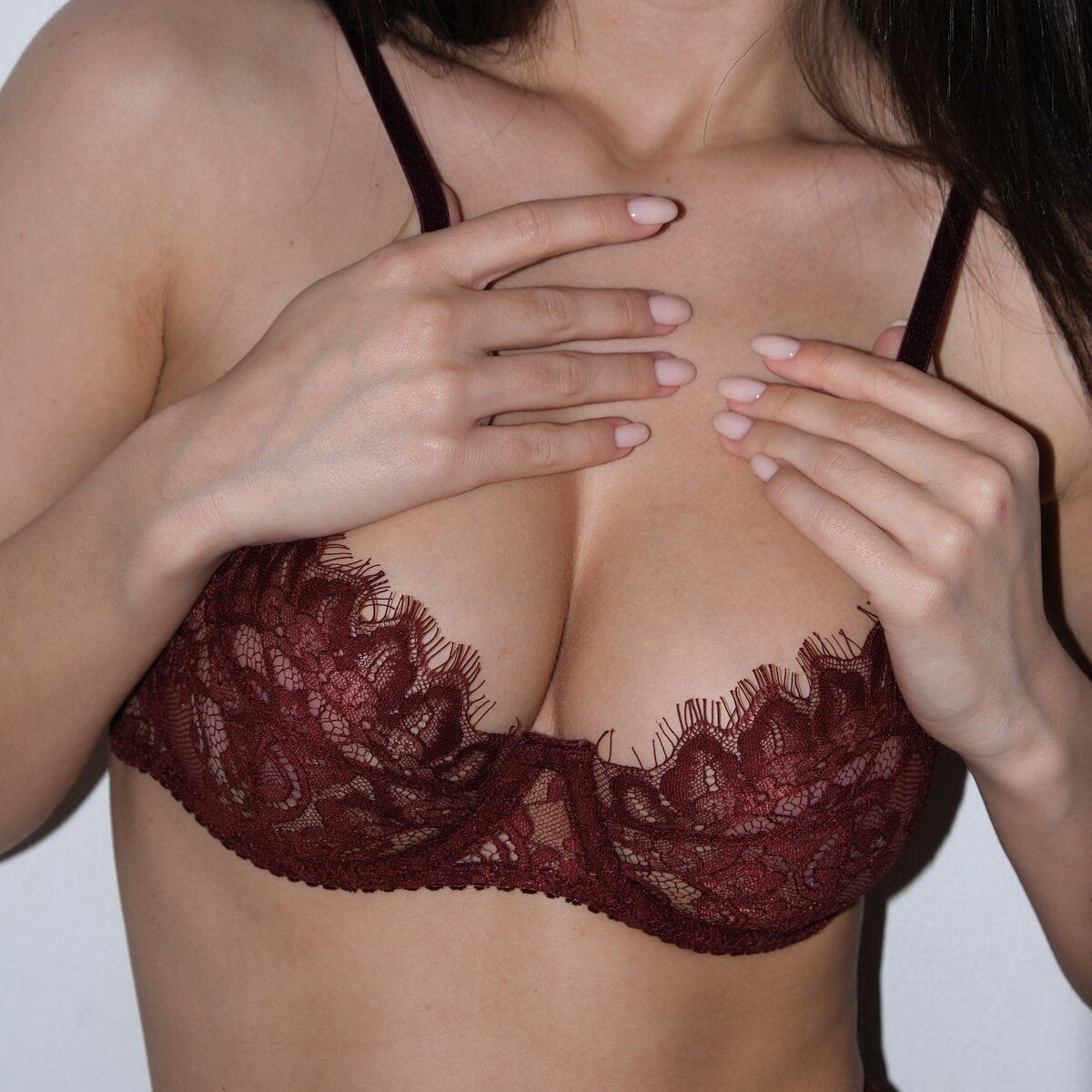
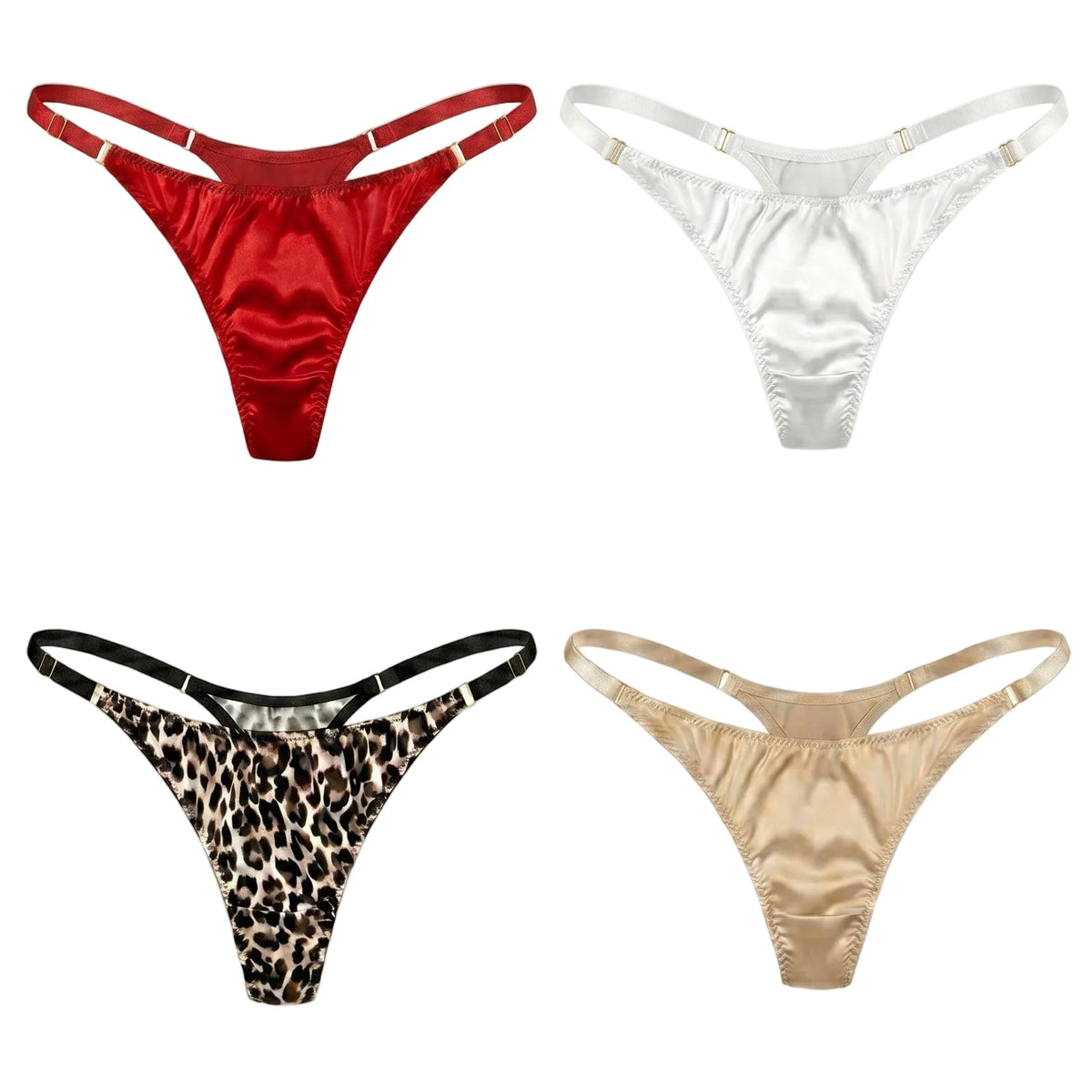
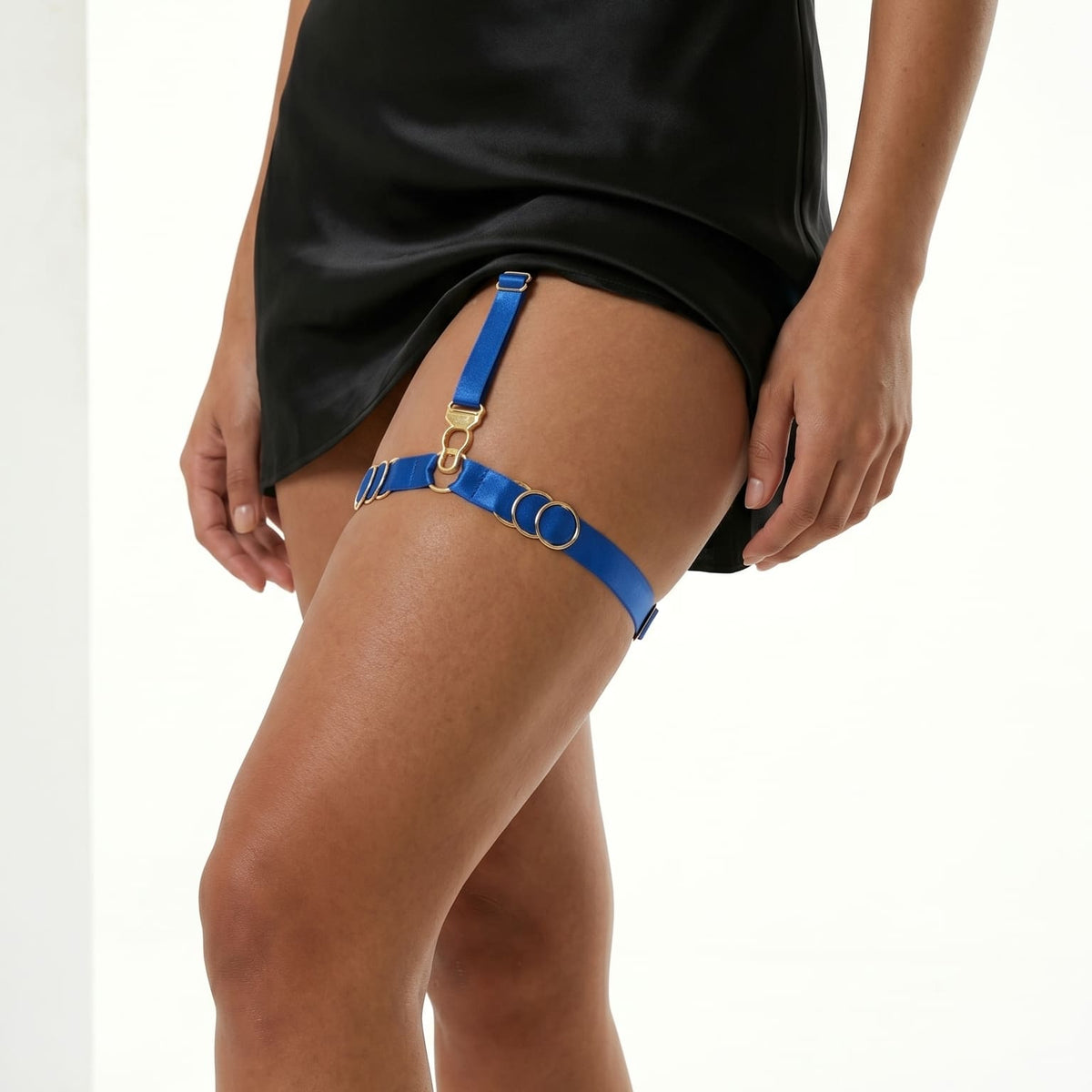
Band, cup, and strap length adjust to your submitted measurements within the style's existing construction. What doesn't change is the silhouette itself, the neckline, cut, and hardware placement of a given design stay as shown, because altering those would mean designing a different garment rather than sizing an existing one. If a customer needs something the current catalogue genuinely doesn't offer, that's worth a direct message before ordering rather than assuming it can be built in after the fact. Pieces from the New Collection, structural styles like those in Odri, and softer silhouettes like Pure Obsession or Savage all follow the same adjustment logic: measurements shift the fit, not the design.
Shipping and what arrives
Once production finishes, shipping timelines depend on where the order is going: 3 to 7 days within Europe and the UK, 7 to 14 days to the US and Canada, and 14 to 21 days for the rest of the world. Orders over €200 ship free regardless of destination. Because the piece was cut for one person, packaging tends to be simpler than a mass-retail box, there's no need to accommodate multiple sizes or a return label built in, since bespoke goods aren't a return category to begin with.
If the fit still isn't right
Because each piece is built around measurements rather than picked from stock, standard returns aren't offered, a fact worth stating plainly rather than burying in a policy page. That's exactly why the 12-hour adjustment window before production matters as much as it does: it's the point where an error in submitted measurements is cheap and fast to fix, versus after a piece has already been cut, sewn, and shipped. If something still doesn't sit right on arrival, reaching out directly is always worth doing. It won't undo a finished, shipped garment, but it does mean future orders get flagged with whatever was learned, and in some cases store credit is the practical middle ground when a size genuinely didn't translate the way it should have.

Frequently asked questions
What's the actual difference between bespoke, made-to-measure, and ready-to-wear?
Ready-to-wear is a finished piece in a standard size, made-to-measure takes a standard pattern and adjusts it to your numbers, and bespoke builds the pattern from your measurements in the first place. Lioness works on the bespoke model: nothing is pre-made in a range of sizes waiting to be adjusted.
How long does a bespoke order actually take from start to finish?
Production runs 3 to 7 business days, then shipping adds 3 to 21 days depending on destination (Europe/UK fastest, rest of world slowest). Multi-piece sets tend to land at the longer end of the production window.
Can I change my measurements or order details after checkout?
Yes, within 12 hours of placing the order, through Instagram DM. After that window closes, the order has typically moved into production and changes become much harder to make.
Why doesn't Lioness accept returns?
Because each piece is cut and assembled specifically for the measurements submitted at checkout, it isn't resellable the way a standard-size ready-to-wear item is. This is disclosed upfront rather than discovered at the return stage.
Does bespoke lingerie cost more than ready-to-wear, and why?
Generally yes, because a bespoke piece requires individual pattern work and more hand assembly time per garment than a factory run producing the same style in bulk across standard sizes.
Written by Lioness Studio. Lioness Lingerie is a made-to-order atelier building lingerie, bridal pieces, and nightwear to individual measurements, with nothing held in standing inventory. This is where we write about fit, fabric, and what actually happens behind a bespoke order.