

Last updated: July 29, 2026
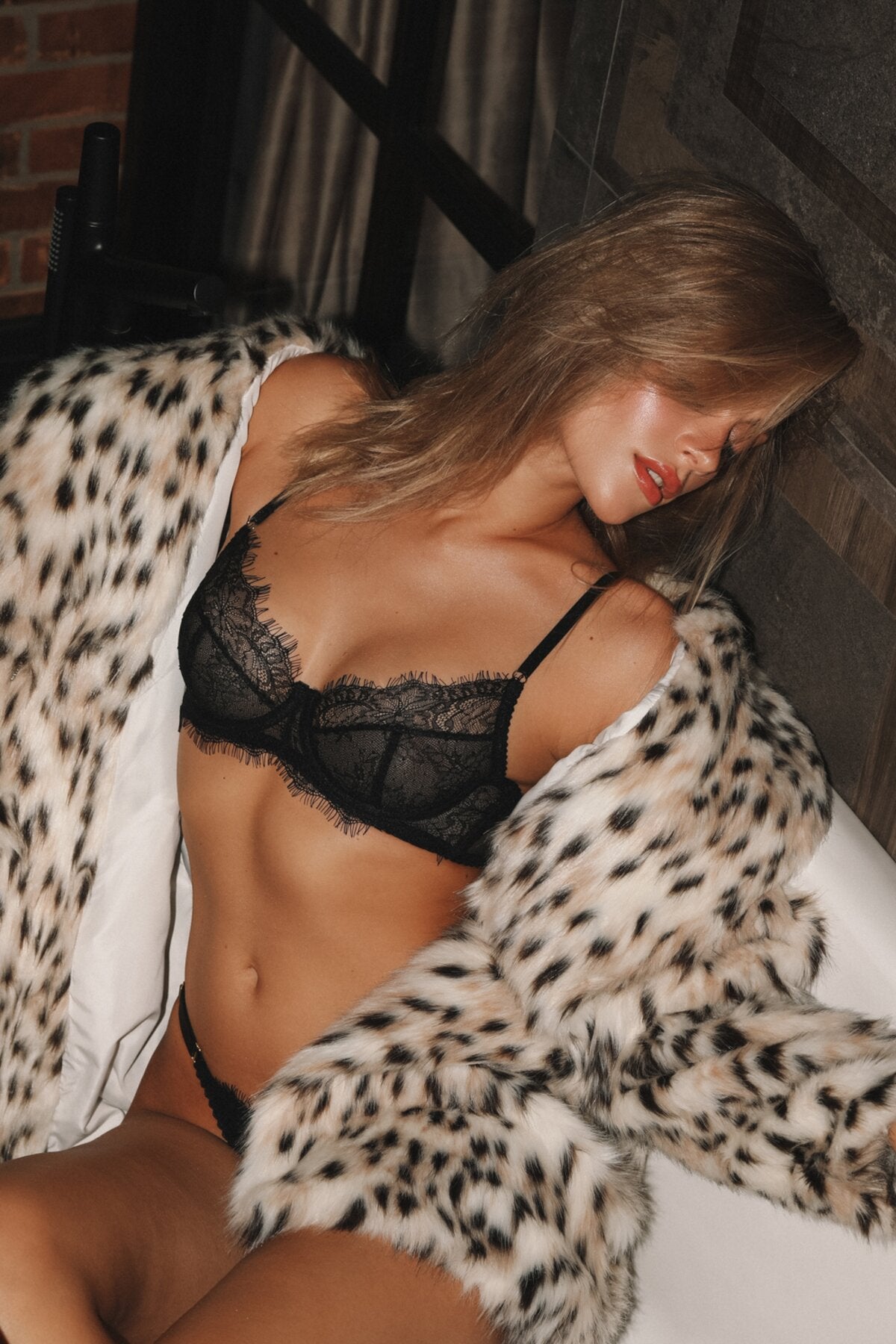
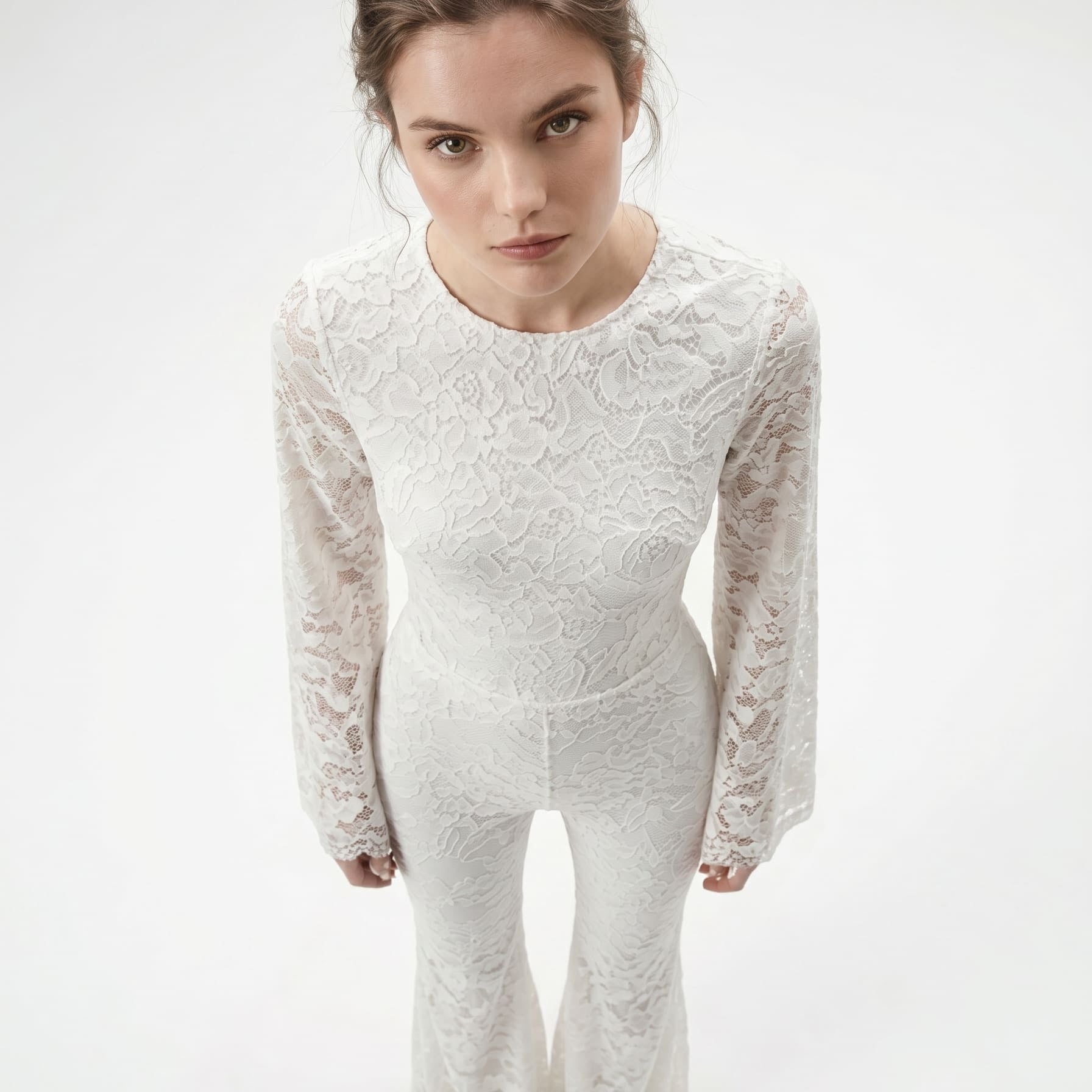
Paris couture week just spent a season arguing about corsets, and the corset won. At Schiaparelli, Daniel Roseberry built dresses around hyper-realistic, anatomically sculpted bustiers, some cast in silicone so precise they read as a second musculature rather than a garment. Across town, the idea that a corset belongs under your clothes rather than as your clothes has been quietly losing ground all year, on runway after runway. We build every one of our own pieces on that same premise: structure isn't something you hide, it's the point.
Schiaparelli's corsets weren't decoration, they were architecture
Roseberry's Fall 2026 couture collection, titled "The Call of the Void," included gowns with hyper-realistic anatomical bustiers sculpted from silicone, worn like a second skeleton rather than a shaping garment underneath one. One look, in cornflower blue with a floral ombre skirt, put the bustline at the center of the dress's construction rather than concealing it. It's a strange, extreme version of an idea that shows up in far more wearable forms every day: a corset can be the load-bearing wall of an outfit, not the drywall behind it.

This has been building all year, not just at Schiaparelli
Roseberry's show landed the same week critics were still discussing Dilara Findikoglu's spring collection, "Cage of Innocence," where corseting appeared under sheer draping in a way that deliberately blurred the line between lingerie and outerwear, turning the corset into a statement of control rather than concealment. It's part of a broader shift industry press has been tracking through 2026: intimate-shaped pieces worn as the visible outer layer, not hidden under it, moving from a runway trick into something closer to a permanent wardrobe habit.
Why now, and why it isn't just a shock-value runway move
The read from most of the season's reviewers wasn't "corsets are back" so much as "corsets have changed jobs." A corset used to promise restriction: something a body was laced into and endured. What's showing up now, across a range of very different designers, treats the same shape as a tool for confidence and control rather than a constraint. That's a genuinely different idea, even when the silhouette on the runway looks similar to one from a century ago.
It's also, frankly, closer to how a well-fitted piece should feel in the first place. Structure that's built to your actual measurements doesn't fight your body, it supports it, the same logic behind any garment cut to fit rather than to a generic size chart.
Where this sits in our own approach
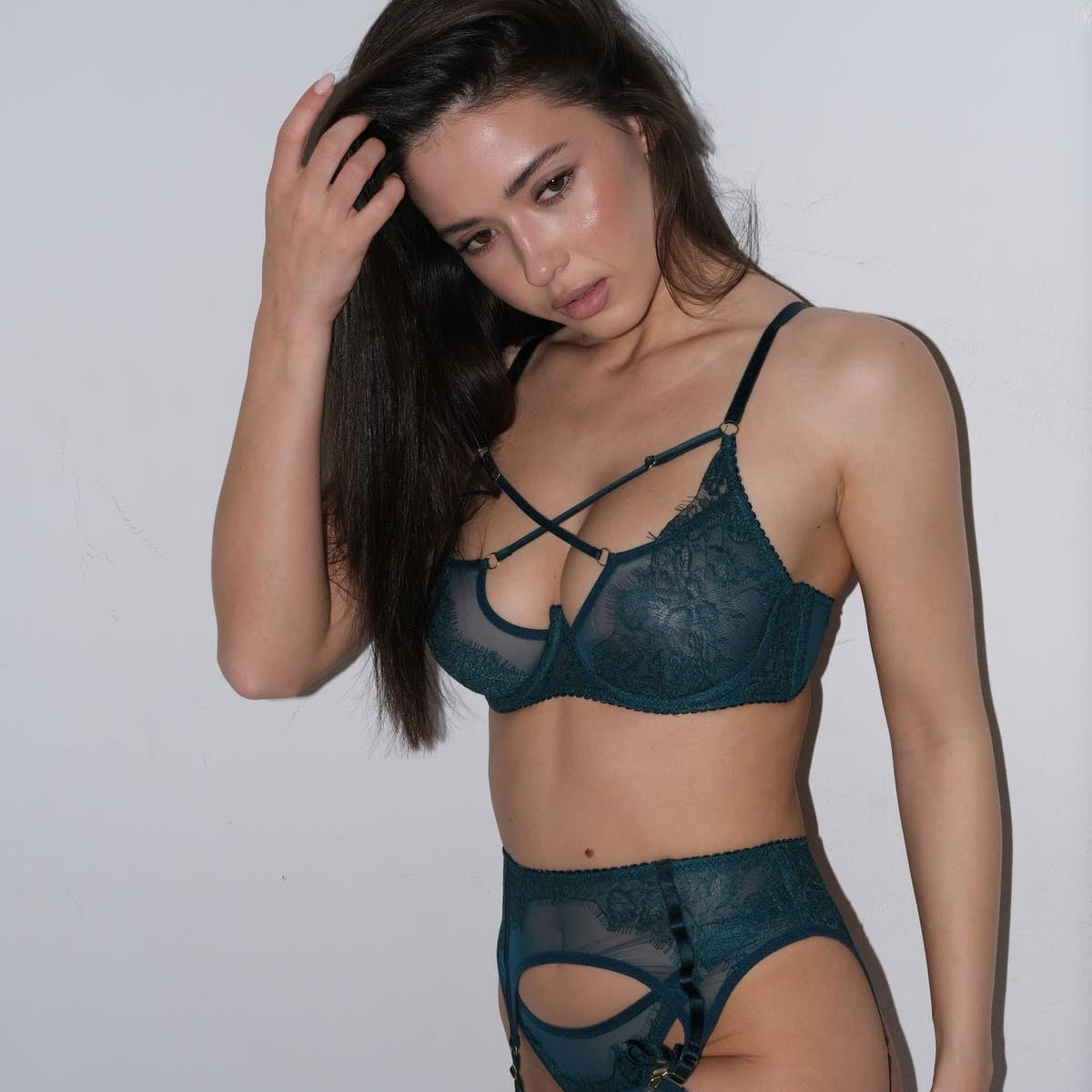
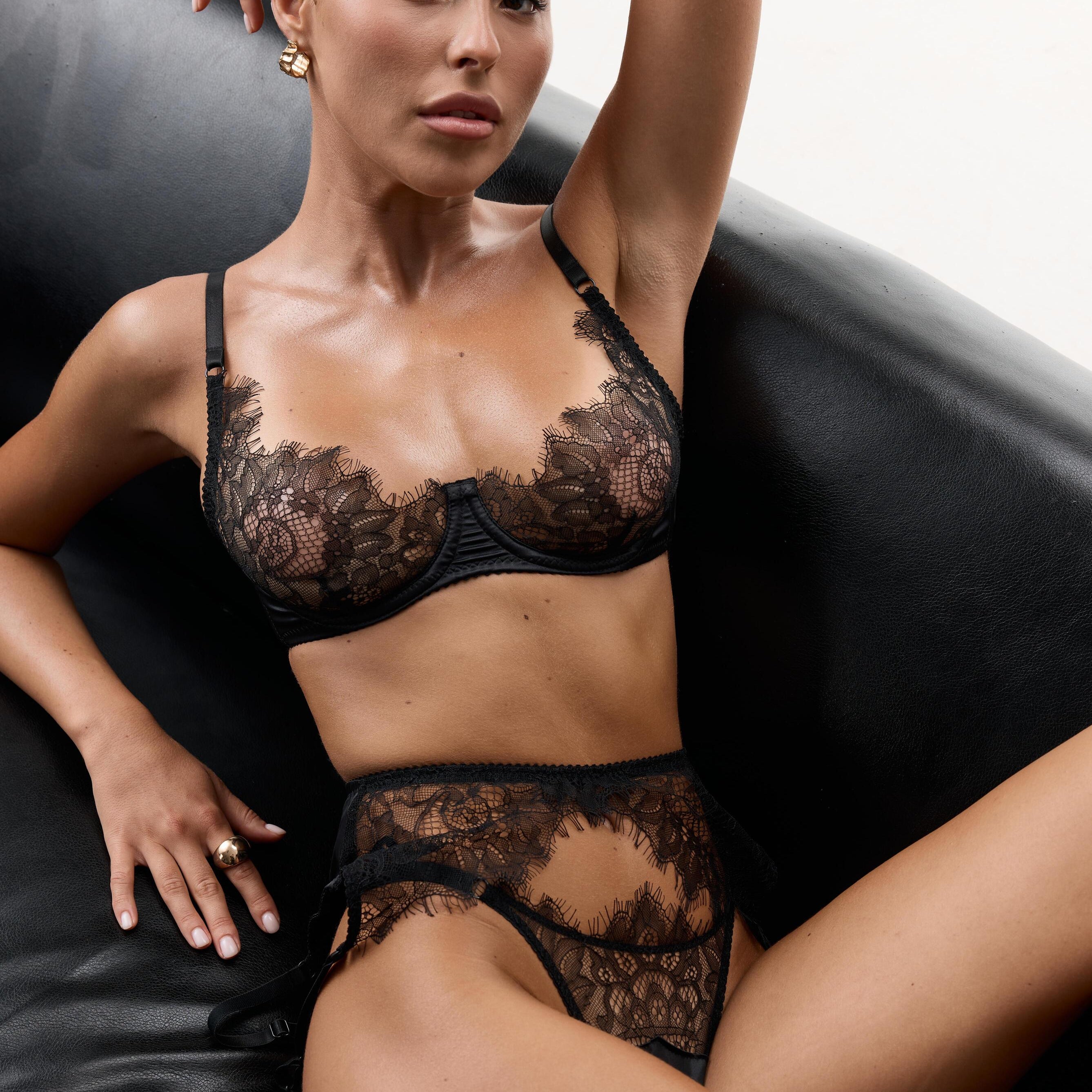
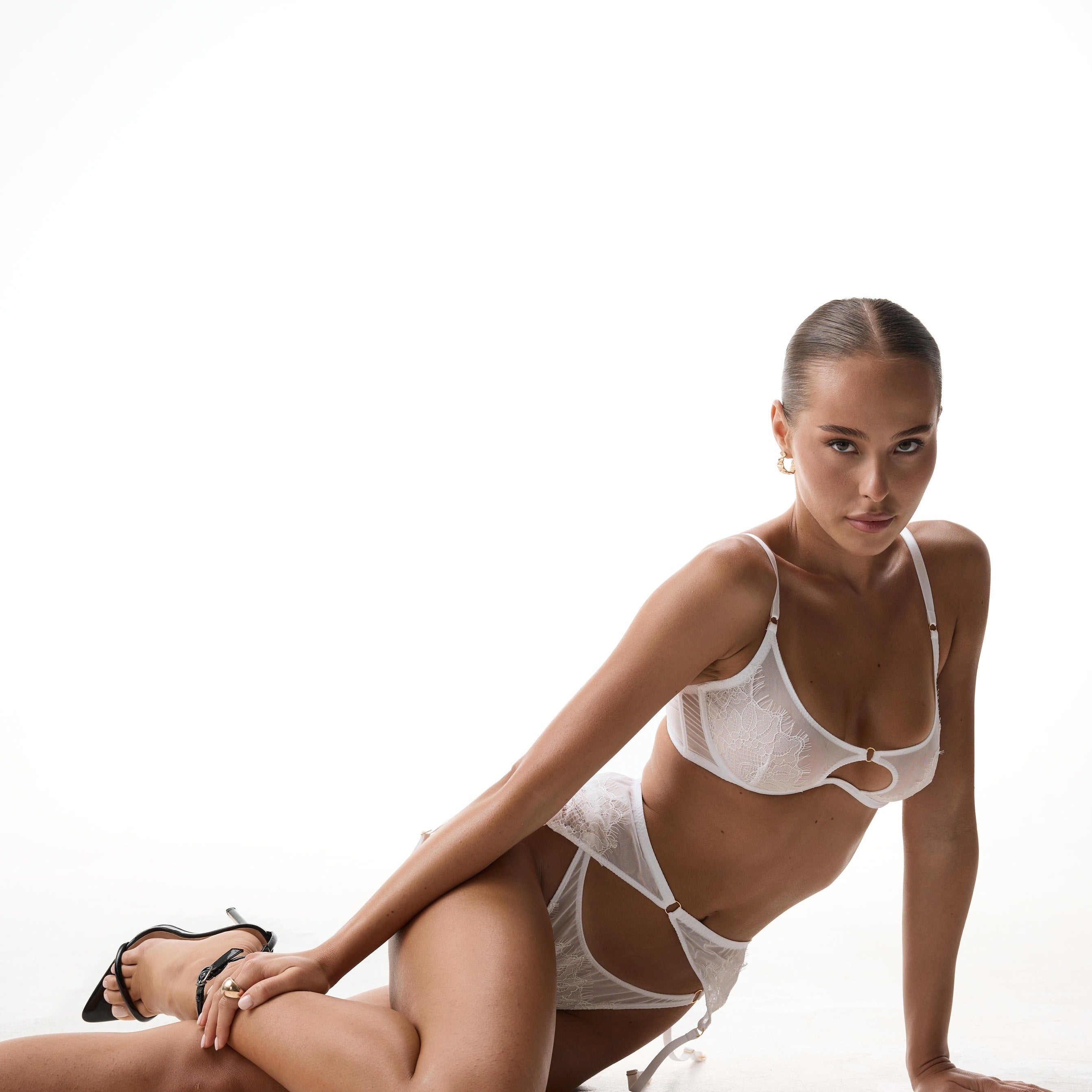
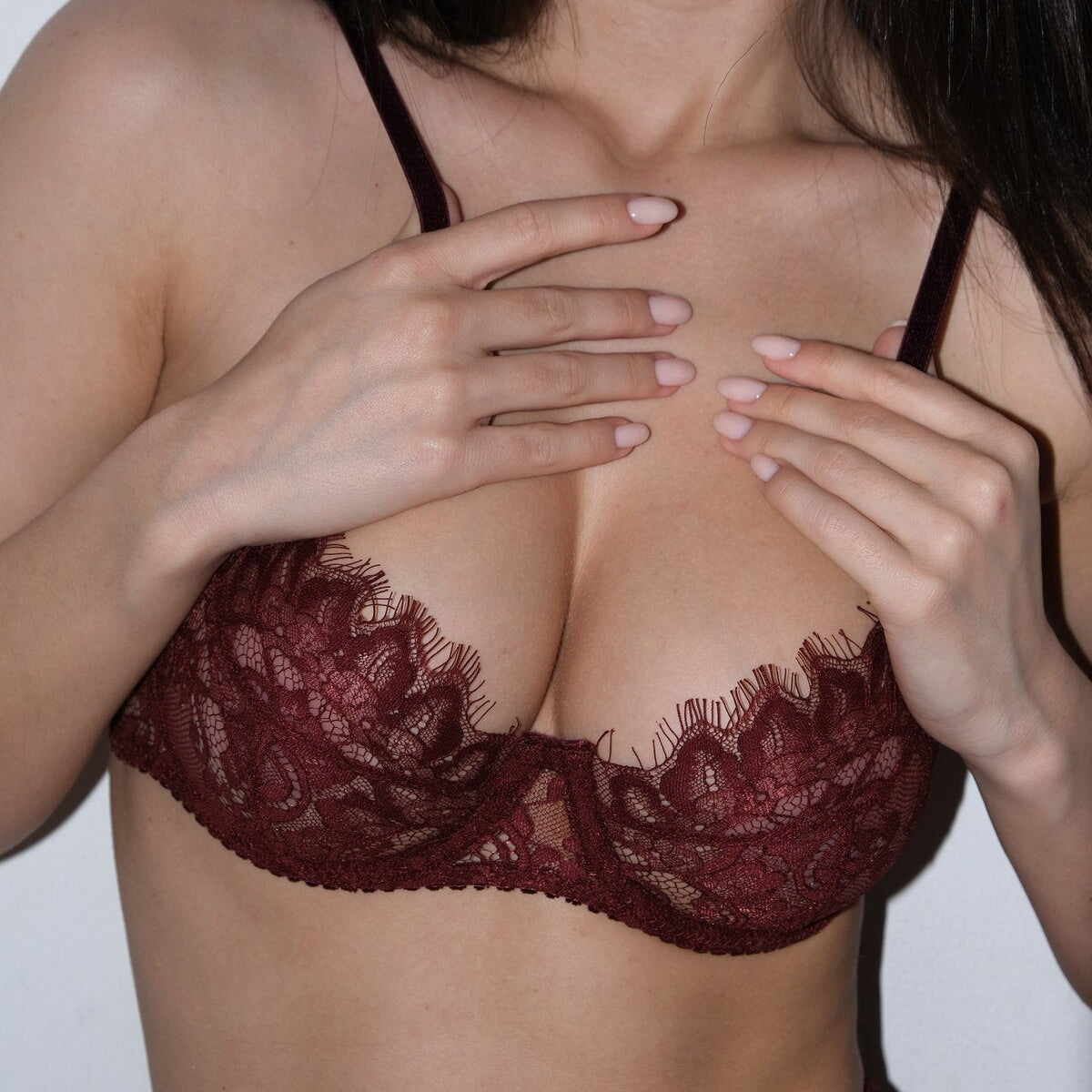
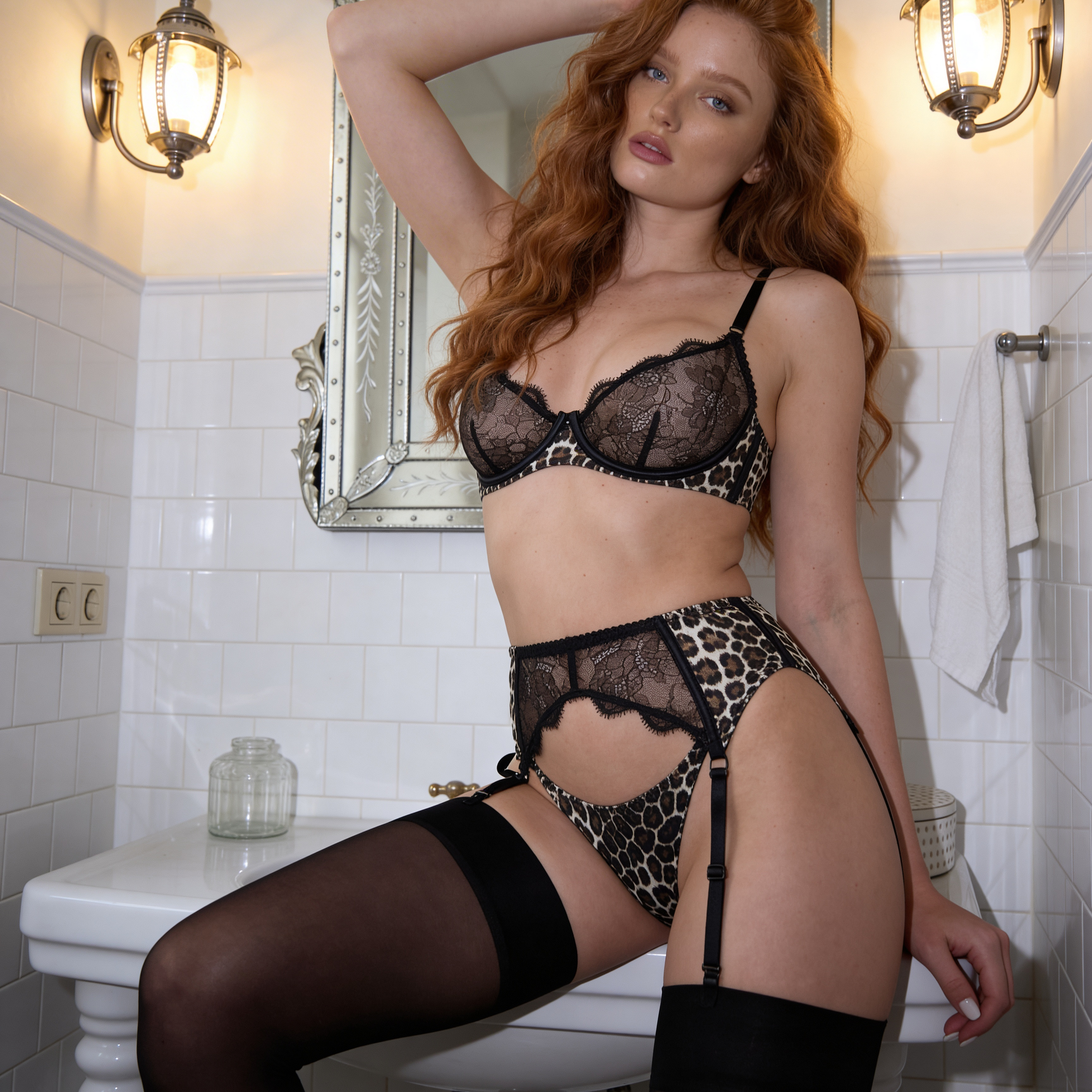
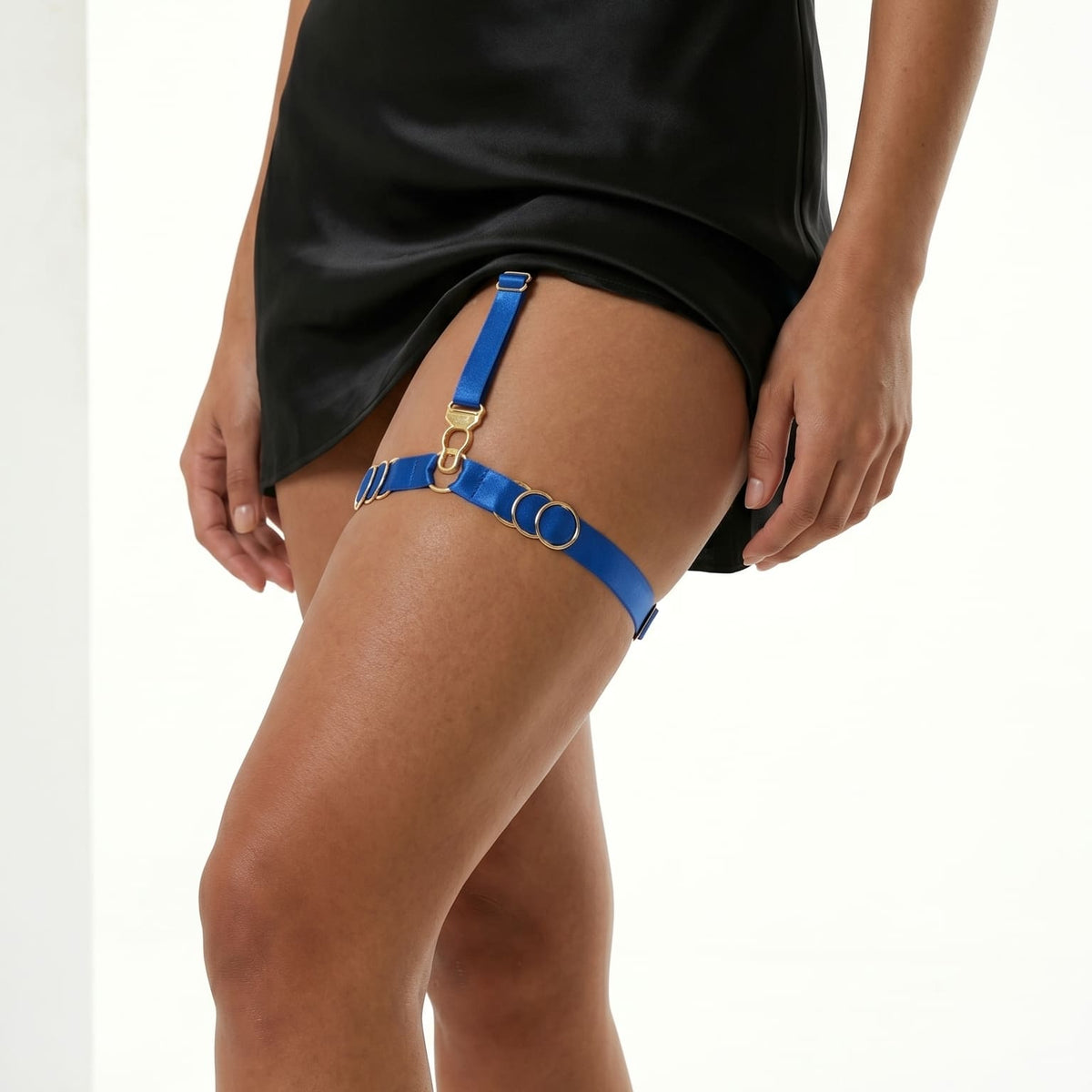
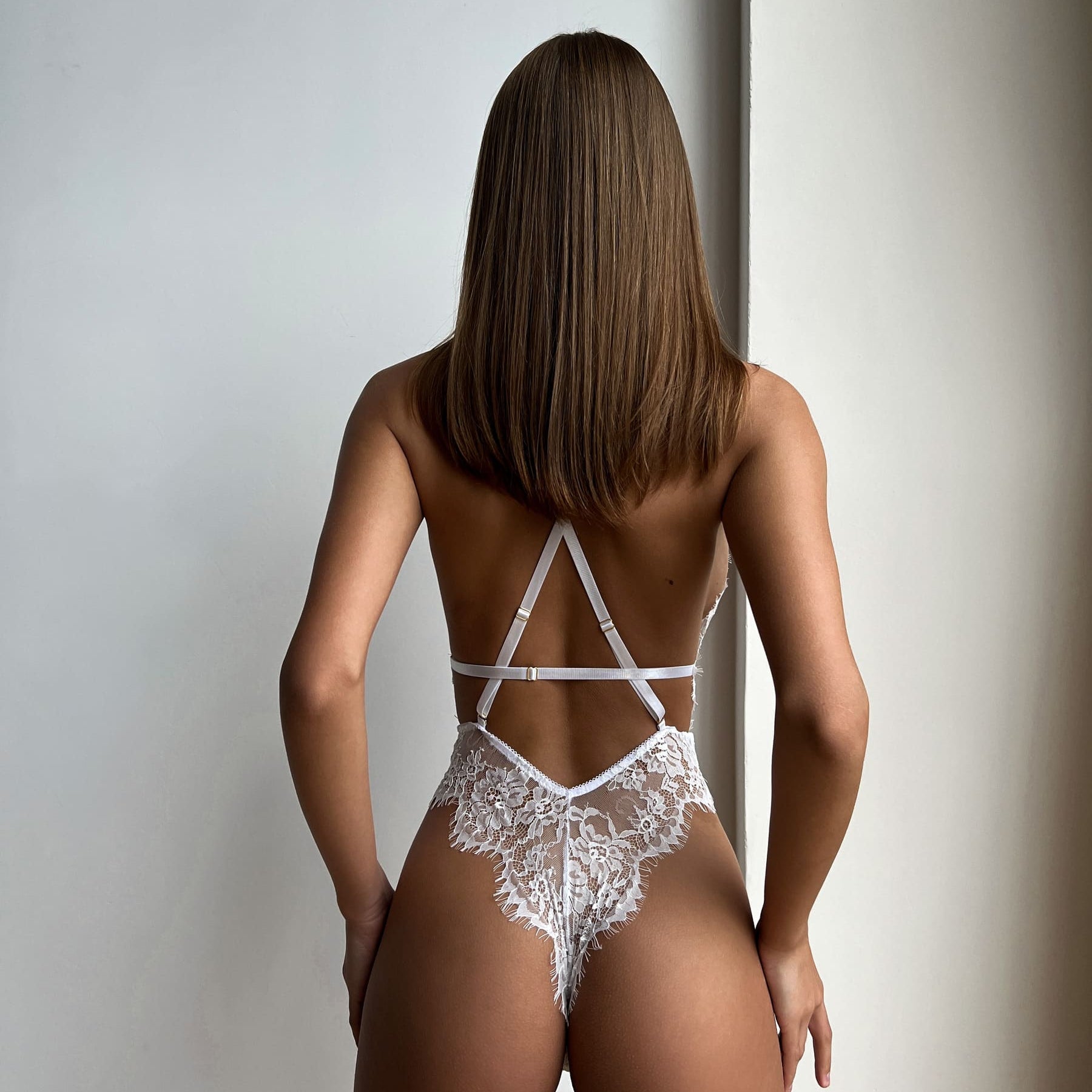
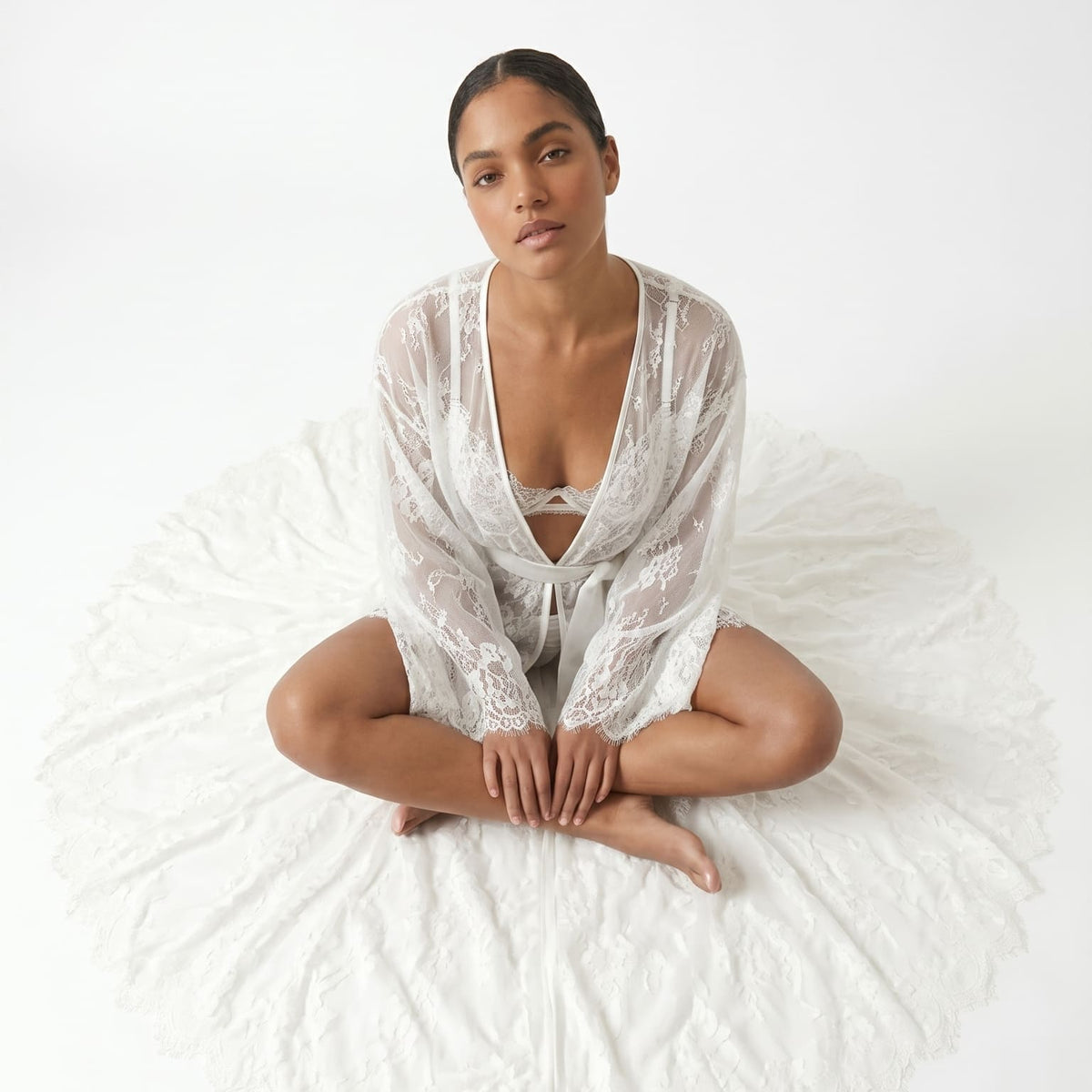
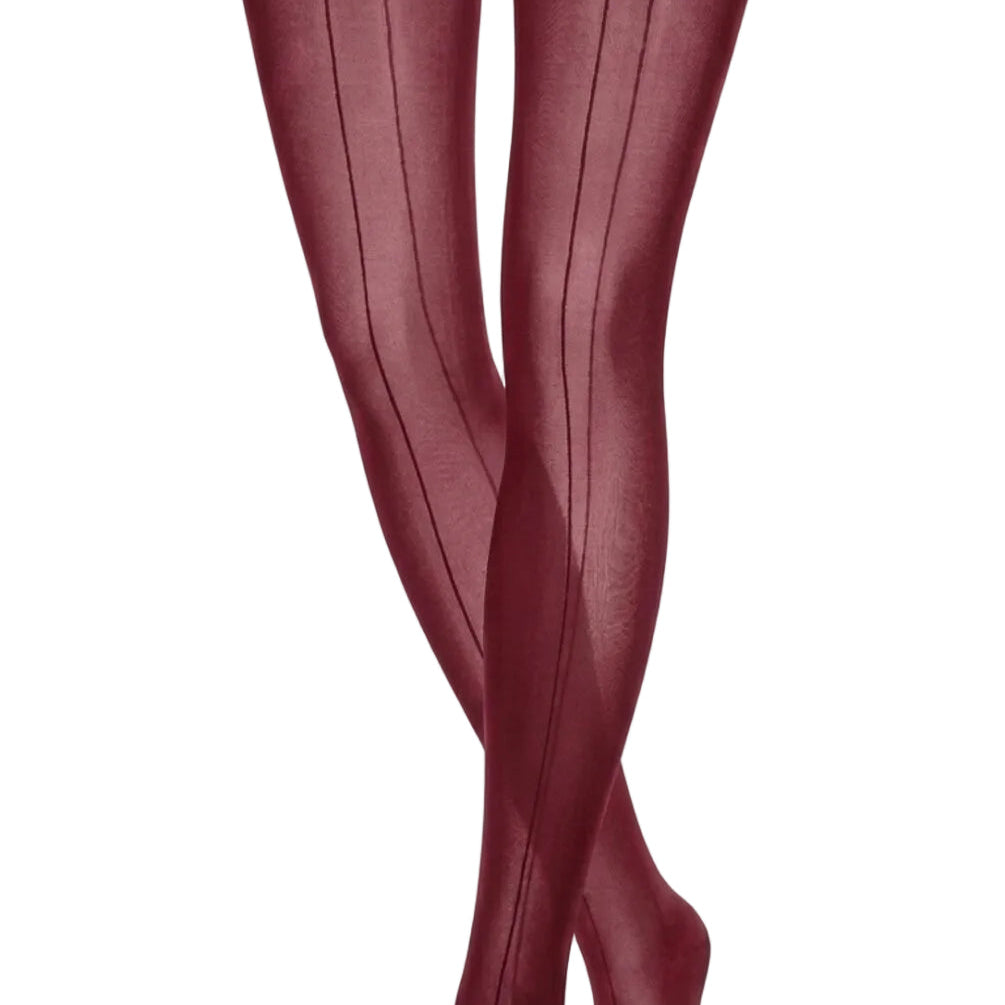
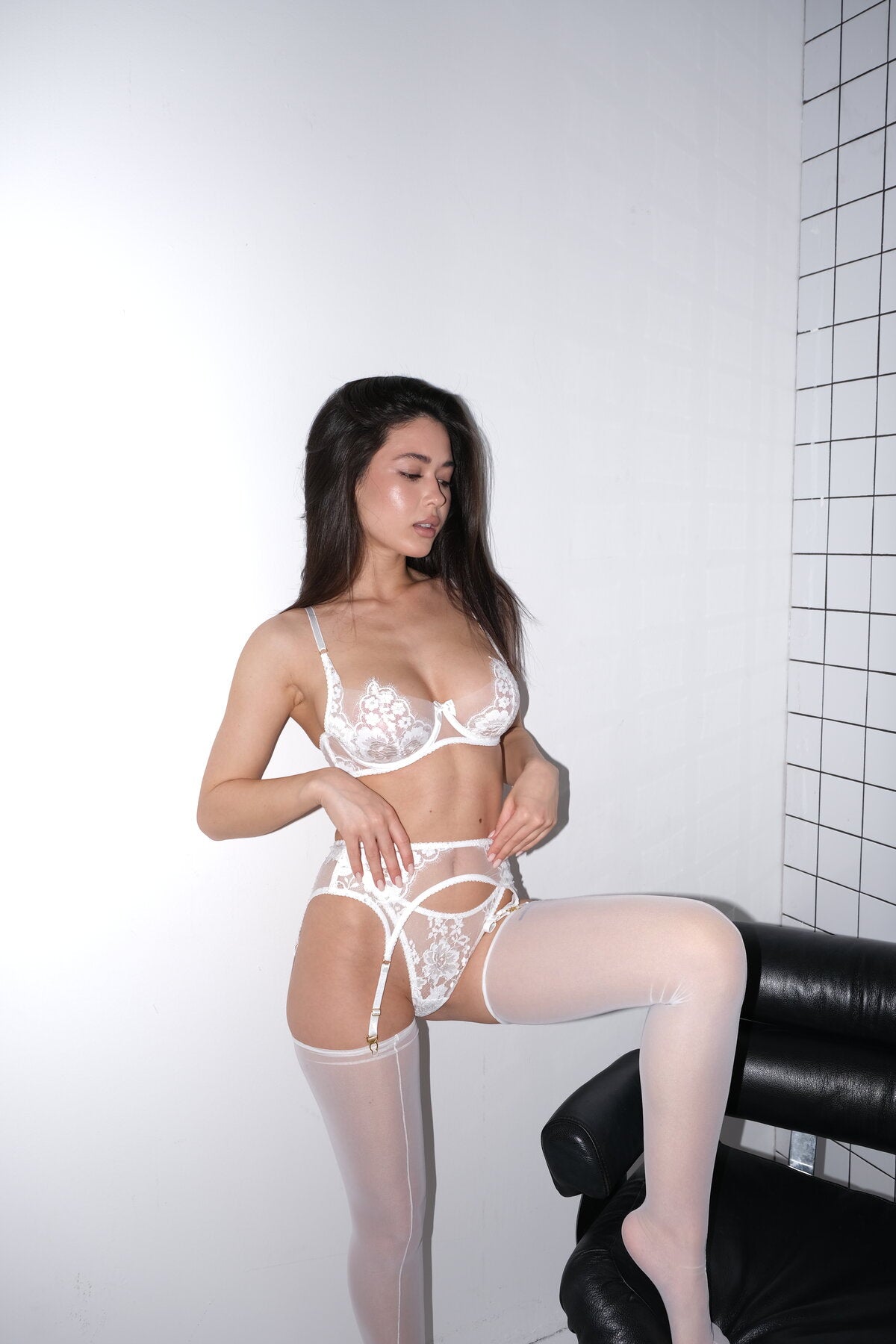
A lot of that idea already lives in pieces we've made for years without calling them a trend. A garter belt is, structurally, a corset's smaller cousin: a shaped, visible piece built to define a waist on purpose rather than disappear under a dress. Paired with stockings, it's arguably the most literal version of "structure worn in the open" that already existed in lingerie, long before a couture runway made the argument for it. Our Odri sets lean into that same architectural read too, a little less literally.
None of this changes what we make. It's more that the industry's biggest stages just spent a season making the argument for a way of dressing we've been building around from day one: made-to-measure, unapologetic about showing its own construction.

A few honest questions this trend raises
Is the "corset as outerwear" trend actually going to last, or is it just a couture-week moment?
Couture pieces themselves rarely leave the runway, but the idea behind them usually does. The shift from "corset as hidden shapewear" to "corset as visible design element" has been building across multiple, unrelated shows through 2026, not just one collection, which is usually a better sign of staying power than a single splashy look.
Do you need an actual boned corset to wear the trend, or does a structured bra do the job?
A structured, well-boned bra or bustier reads the same way stylistically, and it's far more wearable day to day than a fully boned corset. The idea driving the trend, visible structure instead of hidden shaping, works with either.
About Atelier Notes. Atelier Notes is where the Lioness team writes about the wider fashion and lingerie industry: runway moments, craftsmanship stories, and the ideas moving through fashion that connect back to how we build our own pieces. Separate voice from the Lioness Studio guides, same team behind it.